Letter from former European officials: US and Iran should revive the JCPOA
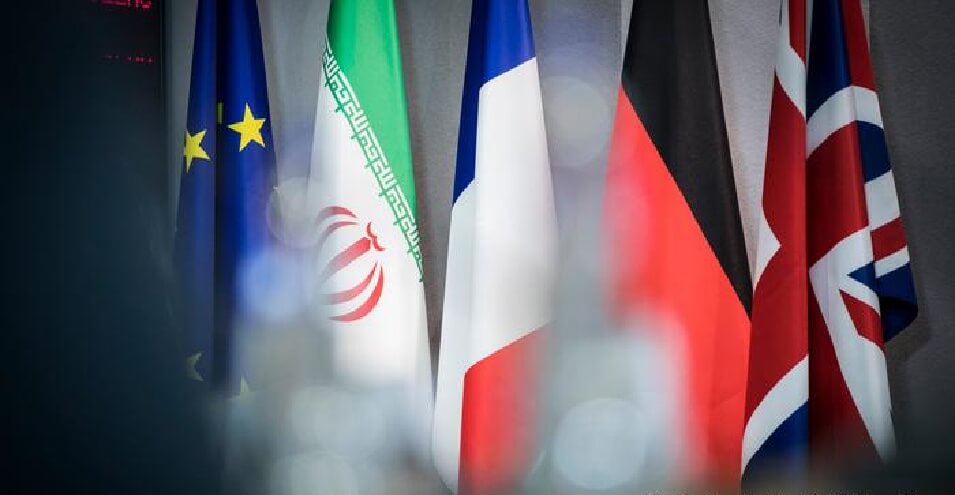
۴۳ تن از مقامهای ارشد سیاسی پیشین اروپا در نامهای سرگشاده از دولتهای آمریکا و ایران خواستند که در شرایط بحرانی جنگ اوکراین فرصت را برای احیای برجام از دست ندهند و آن را را با موفقیت به پایان رسانند.
گروهی ۴۳ نفره از مقامهای ارشد پیشین اروپایی در نامهای که روز سهشنبه ۲۶ آوریل (۶ اردیبهشت) در وبسایت “گروه بینالمللی بحران” منتشر شد برجام (توافق اتمی با ایران) را توافقی موفق خوانده و خواستار احیای هر چه سریعتر آن شدهاند.
آنها در نامهای سرگشاده نوشتهاند: «در شرایطی که همکاریهای کشورهای دو سوی آتلانتیک برای پاسخ به تهاجم بیدلیل روسیه به اوکراین از هر زمان حیاتیتر شده است، اشتباه بزرگی برای رهبران آمریکا و اروپا خواهد بود که فرصت را برای مهار کردن کردن بحران هستهای در خاورمیانه از دست بدهند.»
نویسندگان این نامه دلیل این که “دولتهای اروپایی تصمیم بیپروای دولت ترامپ برای کنار گذاشتن توافق بدون جایگزین مناسب را رد کردند و پس از خروج ایالات متحده در سال ۲۰۱۸ برای زنده نگه داشتن این توافق سخت تلاش کردند” را محدود کردن ذخایر اورانیوم غنیشده ایران و سطح غنیسازی آن و به تاخیر انداختن روندی که میتواند به دستیابی ایران به سلاح هستهای منجر شود، تحت نظارت آژانس بینالمللی انرژی اتمی خواندهاند.
از جمله امضاکنندگان این نامه یوشکا فیشر، وزیر خارجه پیشین آلمان، جک استراو، وزیر خارجه پیشین بریتانیا، خاویر سولانا، مسئول پیشین سیاست خارجی اتحادیه اروپا، ولفگانگ ایشینگر، رییس پیشین کنفرانس امنیتی مونیخ، ، کارل بیلت، وزیر خارجه سابق سوئد، هانس بلیکس، مدیر کل پیشین آژانس بینالمللی انرژی اتمی هستند.
این افراد معتقدند که سیاست فشار حداکثری دونالد ترامپ، رئیسجمهور پیشین آمریکا “نتیجهای جز تشدید تنش هستهای، جنگ خطرناک منطقهای و محرومیت اقتصادی برای مردم ایران نداشته است.”
آنها به پیامدهای “خطای استراتژیک” دولت پیشین آمریکا یعنی خروج دولت ترامپ از برجام اشاره کردهاند که “به انباشت اورانیوم غنیشده تا درجه تسلیحاتی منجر شده و ایران را قادر ساخته در بازه زمانی کوتاهی به آن دست یابد”.
این گروه از همین رو تلاش جو بایدن، رئیس جمهور کنونی آمریکا برای بازگشت به برجام و تعهدات متقابل ایالات متحده و ایران به توافق ۲۰۱۵ را به عنوان “یک اصلاح مسیر” ضروری تشخیص دادهاند.
دو سناریوی احتمالی
مقامهای ارشد پیشین اروپایی دو سناریوی احتمالی را پیشبینی کردهاند. سناریوی اول: «ایالات متحده به سرعت رهبری قاطع و انعطاف لازم را برای حل و فصل مسائل باقیمانده از اختلافات سیاسی (نه هستهای) با تهران نشان میدهد».
سناریوی دوم: «دو طرف وارد بنبست فرسایندهای میشوند که میتواند منجر به تشدید تنشهای هستهای شود و در نهایت به اقدامات و کاربست ابزارهای خصمانه منجر خواهد شد». آنها تاکید کردهاند که این سناریو به نفع هیچیک از طرفین نیست.
آنها در نامه خود تاکید کردهاند، میدانند موضوعاتی مانند حذف سپاه پاسداران انقلاب اسلامی از فهرست سازمان تروریستی خارجی آمریکا، که آخرین اختلاف مهم بین دو طرف است دشوار است.
نویسندگان این نامه با تأکید بر این که “تصمیمگیری در این زمینه منحصرا با سیاستگذاران و دولت آمریکاست” افزودهاند که “میتوان مطالبه ایران را پذیرفت و به اشکال دیگری راهکارهای مبارزه با تروریسم را اجرا کرد”.
آنها از ایران نیز خواستهاند: «انتظار نداشته باشد که توافق هستهای به حوزههای گستردهتری از اختلافات با آمریکا بپردازد.»
این دیپلماتهای سابق اروپا به هر دو طرف هشدار دادهاند که پیامدهای استراتژیک شکست این مذاکرات “بسیار جدی و عمیق خواهد بود”.
آنها توافق را کاملاً ممکن دانستهاند و از بایدن و رهبری ایران خواستهاند که انعطافپذیری لازم را نشان دهند.
Source: DW