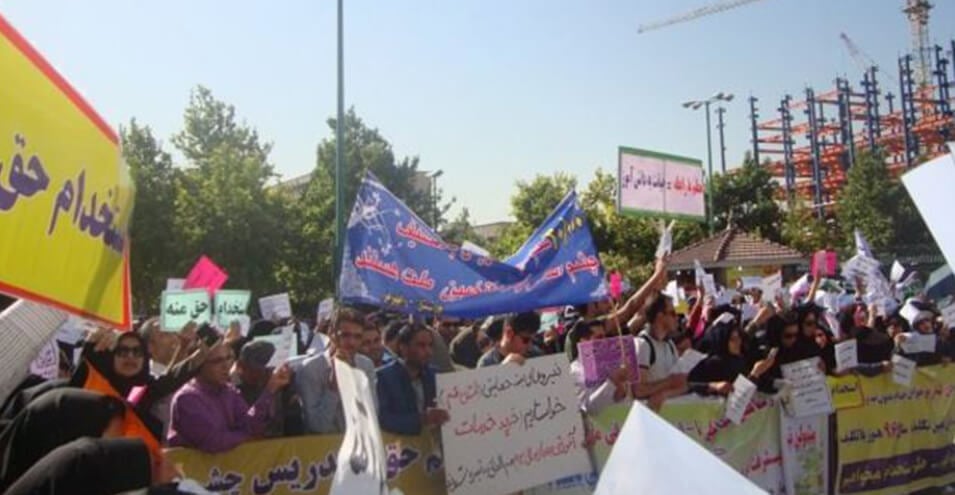
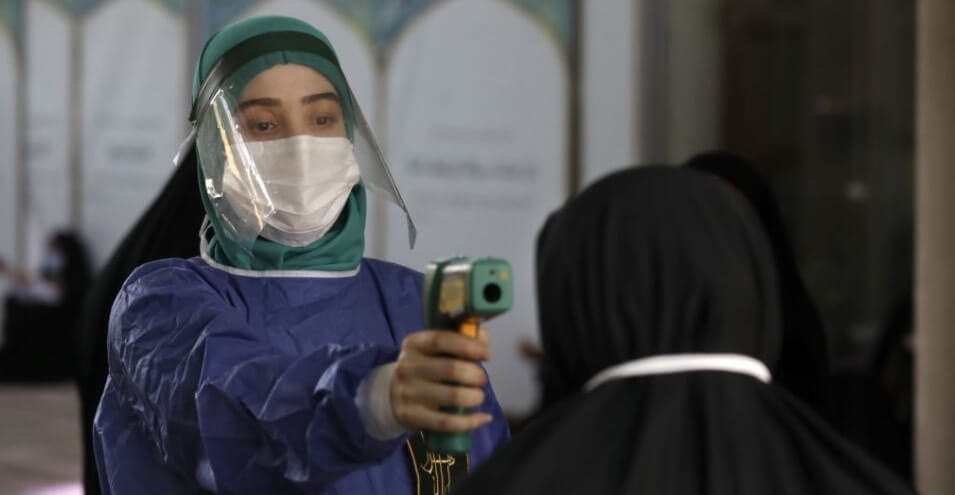
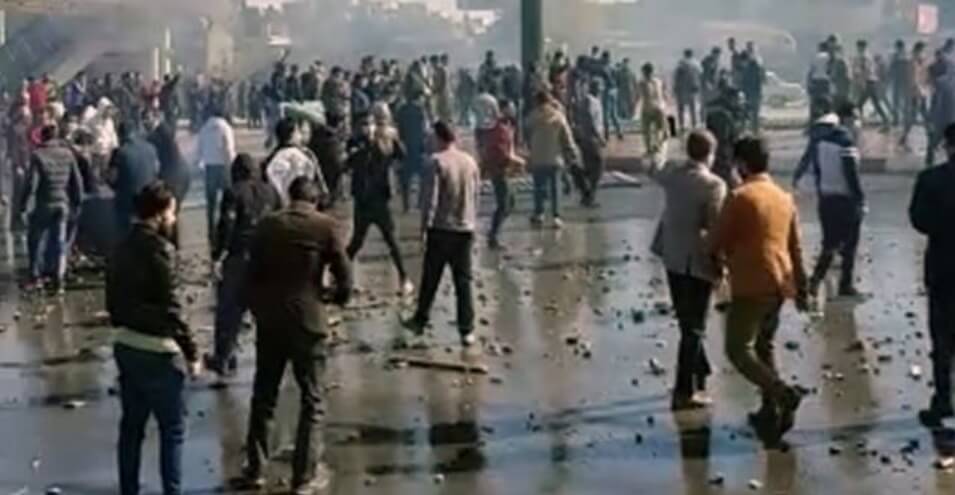
A look at the issue of students being deprived of education

The right to education is one of the rights of citizens, and it should be available to everyone free of charge, at least in the primary and elementary grades. Meanwhile, many students in the country have been deprived of their right to education during the coronavirus outbreak due to lack of facilities and educational space, dilapidated schools, and lack of appropriate infrastructure for virtual education. The following report has been compiled to raise awareness about the status of students' education in the country. Among the problems of virtual education are the lack of financial capacity of families to purchase smartphones, as well as the lack of proper internet service in some parts of the country.
It is worth noting that many students living in rural areas are forced to travel long and dangerous mountain routes every day due to lack of access to high-speed internet. According to the Minister of Welfare, the number of students who have dropped out of school in the current academic year has been announced as 147,000, or about two percent of the total number of students in the country. However, there seems to be a big difference between government statistics and unofficial statistics on the number of these students. So much so that institutions related to children's rights estimate the number of children who have dropped out of school to be several times higher than the number announced by government authorities.
This report examines the statistics provided by officials from various cities and provinces regarding students who have dropped out of school. These statistics alone cannot be an accurate representation of the actual number of these children in the country.
According to HRANA, the news agency of the Human Rights Activists in Iran, according to Article 30 of the current constitution of the country, basic education must be provided to all members of society free of charge, while at the same time, this principle has been violated in the country due to the privatization of education, following the spread of the coronavirus, the lack of proper infrastructure and students' lack of access to virtual education facilities have led to their deprivation of the right to education. The lack of educational facilities and space, dilapidated and substandard schools have also always been obstacles to students' education.
According to the Minister of Welfare, the number of students who have dropped out of school this academic year has been announced at 147,000, or about two percent of the total number of students in the country.
Farshid Yazdani, CEO of the Association for the Protection of Children's Rights, also rejected the statistics provided by the Ministry of Education and announced the number of students who are out of school at around one million, saying: "We believe that children who are out of school include all children between the ages of 6 and a half and 18, and with this calculation, around one million students were out of school last school year."
He added: "The Ministry of Education's statistics are only based on the number of students whose details are registered in the school system and who have not registered in the new year, but these are only a group of those who are of school age but have missed out."
Regarding the predicted statistics on the number of dropouts in the current academic year, Farshid Yazdani said: "An accurate estimate has not yet been made, but we predict that last year's statistics will have increased for two reasons; the first reason is that the government has not done anything special about this issue since last year, and the second reason is the increase in families' economic problems, which is the main reason for dropping out of school, and economic problems have increased this year compared to the previous year, so the predictions are that this year's statistics will be higher than last year."
In other news, sociologist Shahla Kazemipour pointed out that about 2 percent of the total population of children are deprived of primary education and do not go to school for various reasons such as living in inaccessible areas, absolute poverty, etc. She said: "Among the children who are studying, not all of them have access to sufficient facilities and as a result, they face a decline in the quality of education. Despite the existence of the general education law, which expects all children to be able to study until the end of junior high school, there are still about 500,000 illiterate children in the country. Students' lack of access to the Shad network
With the outbreak of the coronavirus and the closure of schools, the Ministry of Education announced that it would resume teaching students online using a system called Shad. This system, which requires the Internet and smartphones, was criticized by teachers and civil society activists from the very beginning. Among the problems with virtual education are the lack of financial capacity of families to buy smartphones and the lack of proper Internet service in some parts of the country. It is worth noting that many students living in rural areas are forced to travel long and dangerous mountain routes every day due to the lack of access to high-speed Internet.
153,000 students in Khuzestan lack access to virtual education facilities
According to official statistics, 153,000 students living in about 40,000 households in Khuzestan are deprived of access to virtual education facilities, and 13 percent of students in this province are out of school.
The governor of Khuzestan stated that one of the problems of students' failure to attend school is that we do not have secondary schools in all villages, and said: "A secondary school has been planned in every village. In some parts of the province, due to cultural issues, it is not possible for girls to go to schools in the surrounding villages, and they usually do not continue their education after completing primary school. Virtual education can open the way for us and provide the conditions for students' education. It is suggested that the education and training department put virtual education on the agenda in Khuzestan province even after Corona."
In other news, Rostami, the head of education in Ramhormoz, announced: "Out of 27,000 students in Ramhormoz, at least 4,000 students are deprived of having a mobile phone to continue their studies in the new academic year."
Students in the village of Pelm Zango are deprived of having a school and classroom.
Students in the village of Palam Zango, in the Susan Izeh district of Khuzestan province, are deprived of having a school and classroom, and are forced to gather next to a few firewood in the bitter cold every day to continue their education.
A village resident says that a building has been donated to rural students, but it is not possible to transport it by land.
Lack of access to the internet for students in villages in Kohgiluyeh and Boyer-Ahmad provinces
A resident of the village of Burak in Margun County said in this regard: "This village, with a population of nearly one thousand people, has seven elementary schools, one high school, and one guidance school with 260 students who are deprived of internet access."
A resident of Chenar Baram village in Dena County also mentioned that 300 students study in this village and their inability to access the Shad network, saying: "Students are forced to travel a long way to the heights of the village while enduring the unbearable cold to access the internet."
Lack of access to virtual education facilities for students in Avuj city
A number of villages in Avuj County, located in Qazvin Province, lack internet access, and students in these villages are deprived of access to online classes and education.
Some students in these villages go to the mountains and hills to access the internet, but with the arrival of the cold season, they can no longer do so and have been unable to study.
Awj County has 100 villages, and students living in 36 of them face this problem.
Students in 39 villages in Kausar County lack access to the Shad network
The governor of Kowsar County in Ardabil Province said: "Due to the lack of necessary communication infrastructure, students in 39 villages and 21 urban schools in this region are deprived of the Happy Educational Network programs, and according to many people and students, the Happy Educational Network has become an unhappy network for the studying population."
Vahid Kanani mentioned the lack of human resources and specialized teachers, the spread of the coronavirus, the difficulty of poor students in obtaining phones to use virtual education, the demolition of 20 school buildings, and the need to carry out major repairs in 14 school buildings in the city as among the educational problems in the region.
Students in the village of Kamreh Mishnan in Lorestan Province complain about the lack of internet access.
The lack of internet has prevented students in this village from participating in online classes and continuing their education.
With the outbreak of the coronavirus and the closure of schools, students' education was carried out online using a system called "Shad", while many students are deprived of access to the internet and smartphones.
Lack of educational facilities and space; 23,000 students in Qazvin province are at risk of dropping out of school
Hassan Ali Asghari, Director General of Education of Qazvin Province, announced: “23,000 students in Qazvin Province are at risk of dropping out of school.”
He considered the main reason for dropping out of school in deprived and marginalized areas of the province to be the lack of schools and educational space, and continued: "Apart from the shortage, about 23 percent of our schools in the entire province are dilapidated and need reconstruction and improvement."
Hassan Ali Asghari, pointing out that there are many backwardnesses in the field of education in Qazvin province, added: "One of the clear examples of this backwardness is the Station School in Ferdows town, Abek county, which is a half-destroyed school without standard educational facilities, and the students are crying about its problems."
Students in South Khorasan villages denied access to the internet
Due to the widespread spread of the coronavirus and the need to hold online classes for students, many villages in South Khorasan Province, including the villages of Hassanabad and Mohammadabad Zirkuh, do not have access to the internet and Shad network. This is one of the most important factors in students dropping out of school in these areas.
Also, according to Mohammad Ali Taghagi, Director General of Education of South Khorasan, more than 300 schools in rural areas of this province are deprived of internet access, and discrimination in education must be prevented by addressing their needs.
83% of students from Kohgiluyeh and Boyer Ahmad tribes do not have access to the "Shad" network
The head of education for the Kohgiluyeh and Boyer Ahmad tribes said that more than 3,625 students are studying in the tribal areas of this province, adding: "83 percent of these students do not have access to the Shad network."
Previously, Mohammad Reza Ahmadi, a member of the Parliament's Education and Research Commission, had also said regarding the statistics of disadvantaged students across the country: "According to statistics announced by the Ministry of Education, 3.5 million students are unable to use the Shad program due to lack of access to the internet or smartphones."
Nearly 100 students in Ahar County do not have access to smartphones
Hossein Baglari, head of the Imam Khomeini Relief Committee in Ahar City, said: "During school closures, there are students who do not have access to phones or tablets to continue their studies."
He stated in this regard: "Currently, 853 needy students are covered by the Ahar County Relief Committee, of which 98 students do not have any access to tablets and the Shad program to pursue and continue their education during the coronavirus situation and school closures. This is while the families of these students cannot obtain loans to buy phones or tablets and can be said to be financially incapable."
Previously, Mohammad Reza Ahmadi, a member of the Parliament's Education and Research Commission, had also said regarding the statistics of disadvantaged students across the country: "According to statistics announced by the Ministry of Education, 3.5 million students are unable to use the Shad program due to lack of access to the internet or smartphones."
Students in Narli Ajisu village deprived of education due to lack of virtual education facilities
Students in the village of Narli Ajisu, located in Maraveh Tepe rural district of Golestan province, have been denied the right to education due to the lack of proper internet service in the area and the lack of financial means to purchase a smartphone.
One of the villagers said: "Students from Narli Ajisu village in Maraveh Tepe city, who do not want to fall behind in their studies and homework due to the lack of high-speed internet during these cold and rainy days, spend their days on top of the mountains and hills."
At least 170 elementary school students, 80 tenth grade high school students, and 40 eleventh grade high school students live in this village.
Six thousand students deprived of educational facilities in Fanouj
Of the eight thousand students in Fanouj village, six thousand are deprived of educational facilities.
The information and technology expert of the Fanoj Education Department said: "There are 8,227 students studying in the villages of Fanoj County, of which only 1,900 benefit from virtual education."
The deputy urban affairs officer of the Fanuj governorate also stated: "There are more than 200 villages and settlements in Fanuj, 51 percent of which have telecommunication lines, and only 5 villages have high-speed internet."
Golestan: 40 exceptional students drop out of school and 34 percent of these students do not have access to the Shad network
The head of the Golestan Special Education Department said: "641 out of a total of 1,885 students with special needs in this province, which includes 34 percent of all students, do not have access to the Shad network."
He added: "The main reason these students do not have access to the Shad network is their inability to buy mobile phones and tablets."
Regarding the educational problems of exceptional students in Golestan, Khanali said: "This year, 40 students dropped out of school due to abusive guardians, family prevention of education, illness, marriage, employment as child labor, and families' concerns about contracting the coronavirus."
Students in Narmashir village do not have access to the Shad network.
Lack of communication infrastructure, poverty, and deprivation have resulted in 30 percent of students in Narmashir County, Kerman Province, not having access to the Shad network.
One resident of this area said: "We live in an area where access to the Internet is difficult and many people do not even have a smartphone at home. Given that families in this city are densely populated, in families where there is rarely even a phone, it is not possible for all children to use the Internet."
Another citizen of Narmashir says: "Our children do not have the facilities here, especially the internet to connect to the Shad network, and children are sometimes forced to go to nearby villages or to the mountains and high hills to access the internet."
This year, 244 elementary school students dropped out of school in North Khorasan
The deputy head of primary education for the North Khorasan Education Department said: “During this year, according to surveys, 244 primary school students in this province dropped out.”
He pointed out that the presence of abusive, unsupervised families and financial poverty were among the main reasons for dropping out of school among these students, adding: "Of these, 111 students have not been identified, meaning that their places of residence were visited but they were not living there."
Esmat Badakhshan continued: "During this year, 427 first-grade students who had not attended school have been identified, of which 111 have been identified and sent to the classroom after follow-up, but 316 students have not yet been identified and there is no address for their place of residence, and follow-up is ongoing in this regard."
Deprivation of rural students from educational justice; Poor traffic conditions for students in Amirabad Miandoab village across the river
To go to school in Hamid village, students in this village have to cross the Qoruchai River due to the lack of any connecting bridge.
It is worth noting that, according to numerous reports, deprivation of minimum public facilities in rural areas, including remoteness or lack of proper access to schools, is considered a threat to their lives, makes it difficult for rural students to continue their education and often causes them to drop out of school.
49,000 children without ID cards, 1,000 deprived of educational apps
Working and street children, those living in urban slums, and the large population of undocumented people have faced a double problem following the spread of the coronavirus and the transition to online education in schools.
Following the outbreak of the coronavirus and the closure of schools, the Ministry of Education has started holding virtual classes through "a specific application."
This is despite the fact that the aforementioned educational application does not allow children to enter without a national ID, which is considered a clear discrimination regarding the right to education for children without an identity card and national ID.
Also, more than 20 million people living in the country's urban slums neither have access to internet infrastructure nor the financial means to purchase internet bandwidth.
Source: HRANA