The 17th of January is the anniversary of the liberation of women in the homeland by the decree of Reza Shah the Great.
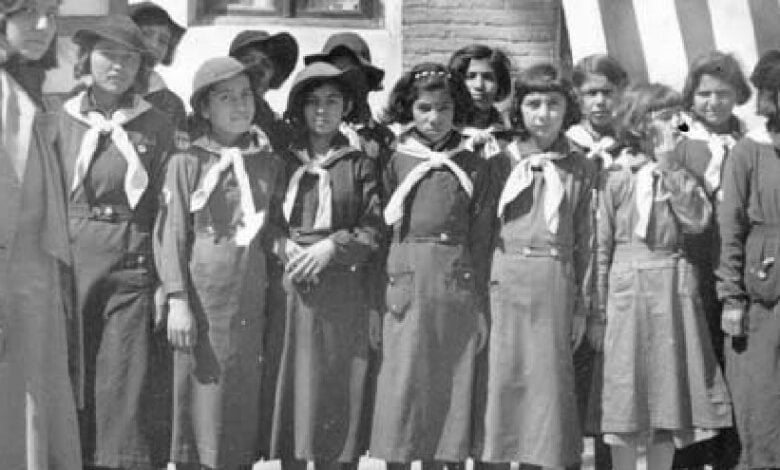
On January 7, a socio-cultural event was named after the decree of Reza Shah the Great, entitled "Liberation of the Women of the Homeland".
In Iran, the 17th of Dey is the day that Reza Shah the Great issued a decree in 1314 (1935) to change women's clothing. According to this decree, Iranian women and girls were prohibited from wearing chadors, veils, and headscarves in schools, universities, and administrative and government centers, and were only required to wear hats and coats.
The 17th of Dey not only commemorates the historic decree of Reza Shah Pahlavi to remove the veil and free women from the shackles of old traditions, but this day also coincides with the anniversary of the death of Princess Ashraf Pahlavi, one of the most influential women in contemporary Iranian history.
Prince Reza Pahlavi also issued a message on the occasion of the current day, January 17, which is the Liberation Day of Women in the Country. He wrote in the message: "January 17 is a reminder of the courageous and history-making action of the great Reza Shah in freeing Iranian women from the shackles of isolation and seclusion. This day is not, in the strict sense, the day of revealing the veil, but the day of freedom of clothing."
On this day, with the support of the national government that was the guardian of their freedom and security, Iranian women had the opportunity to be freed from the shackles of reaction and to be present in society on an equal footing with men. In this way, our ancient homeland was able to benefit from the power and talent of half of society for the progress and prosperity of the country.
I consider Reza Shah's decision to be epoch-making, because it was not only progressive in its time, but also initiated a historical transformation in the achievement of Iranian women's rights, the effects of which are still visible in Iranian society today, and even the Islamic Republic, despite its deeply regressive nature, has never been able to return the situation to its previous state. Just as today, Iranian women are among the pioneers of the national revolution to overthrow the Islamic Republic, and they stand as a solid barrier against the misogyny and anti-freedom of this religious reaction.
"I honor the memory of all the patriotic men and women who were among the pioneers of the liberation of Iranian women in those days, and I salute the brave men and women of Iran who are fighting side by side today to reclaim their homeland and freedom."