Lack of health facilities; a report on the problems of Greater Tehran Prison
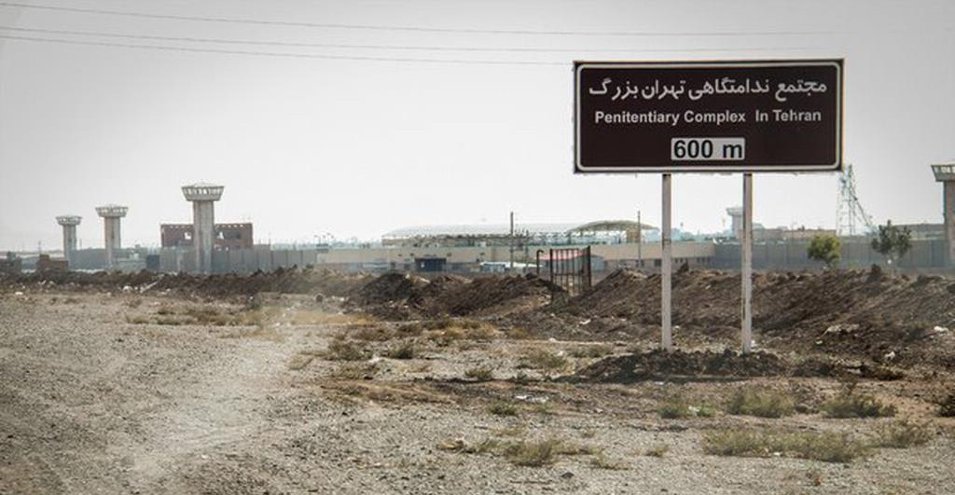
HRANA News Agency – Prisoners in Brigade 4 of Greater Tehran Prison face many problems in various fields. The following report addresses some of these problems, including the state of health, food and water, high prison population density, and lack of medical care.
According to HRANA, the news agency of the Human Rights Activists in Iran, prisoners imprisoned in Brigade 4 of Greater Tehran Prison are facing many problems in various fields.
The authorities' disregard for prison conditions and violations of prisoners' rights have made it more difficult to endure imprisonment, especially during the coronavirus crisis. The following report addresses some of these problems, including the state of health, food and water, high prison population density, and lack of medical care.
Due to the high population density, at least 8 to 10 prisoners sleep on the floor in each room. According to an informed source, for the 290 prisoners imprisoned in Andarzgah 1, Type 4, only 8 toilets and 8 bathrooms are provided, of which two toilets are out of service due to damage. Also, prisoners are only allowed to take a hot shower in the morning from 5 to 5:30, and are deprived of hot water at other times of the day and night.
According to this source, the monthly hygiene ration and items such as washing powder, shampoo, or razor blades are not provided in proportion to the population. He told HRANA in this regard: “For a room with 24 prisoners, they are given 4 packages of washing powder and for 6 people, one small shampoo. Even because of these restrictions, 2 prisoners are forced to share a razor blade. This is against health standards and can lead to the spread of skin and infectious diseases.”
On the other hand, the prison's health care system also lacks the necessary facilities and is limited to prescribing painkillers. The condition of many sick prisoners is worsening day by day due to the lack of proper medical care and the inattention of the prison authorities. Among them is Majid Keshvari, a prisoner accused of public crimes who was transferred from this prison to Brigade 4 of Greater Tehran Prison about 4 months ago to serve a 2-year prison sentence for the Ghezel Hesar Prison riot in Karaj in 2008. He suffers from a hair cyst in his abdomen. According to a prisoner who was recently sent on leave, Mr. Keshvari constantly bleeds from this area and needs surgery, but despite repeated requests to be sent to the hospital, he has been facing a lack of medical care for the past 4 months. This is despite the fact that he suffers from neurological problems and has attempted suicide several times in the past.
The prisoners' rations are also low and the quality of the food in this prison is also inadequate. On the other hand, items in the prison store are offered at double the original price. This has made it impossible for many prisoners who cannot afford to buy food, hygiene products, and even drinking water.
Source: HRANA