Minister of Education: The enemy has come behind the walls of our homes
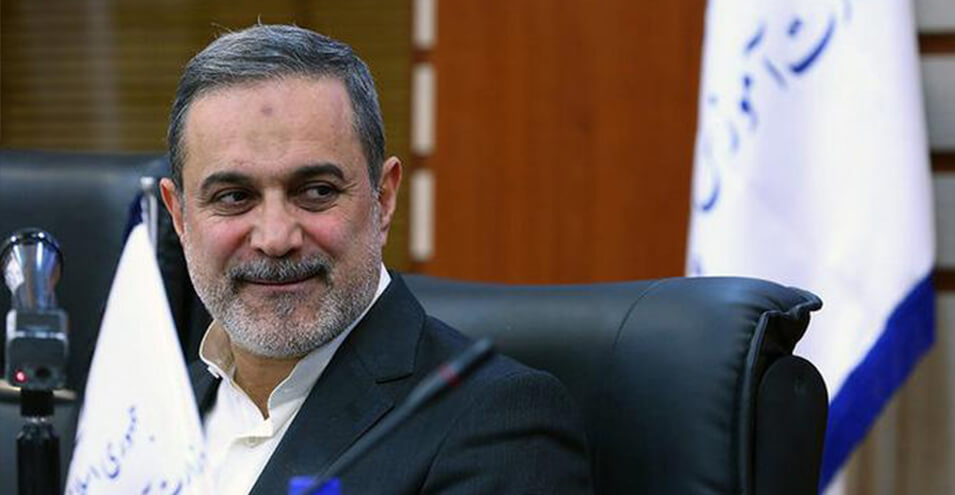
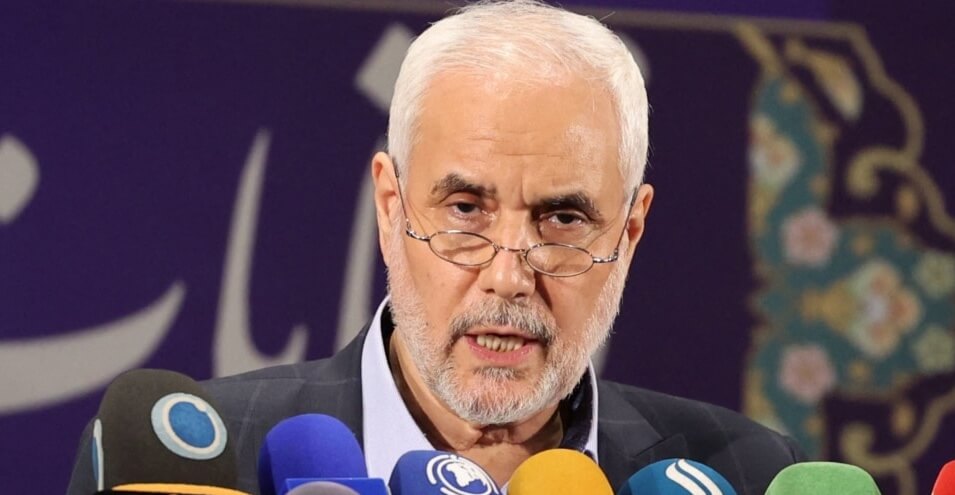
Mohammad Bathaei calls on protesting teachers to express their demands more intelligently because “the country is at war.” During the protest rallies, a number of teachers were arrested, but according to the Minister of Education, all but two have been released.
In a press conference held on the occasion of Teacher's Week, the Minister of Education of the 12th government, while referring to the "credit and financial problems" of the ministry, noted that the academic year that is coming to an end, despite these problems, has been a "useful year" for the country's education system.
According to ISNA news agency, Mohammad Bathaei emphasized the necessity of amending the "fundamental education transformation document" on Saturday, May 5, saying: "In the first part, which is the transformation in the educational text and content, the task is very difficult because what our children were taught is supposed to change accordingly. The national curriculum document mentions transformational turns."
Iran's education system has suffered from budget shortages and mismanagement for years; thousands of schools in need of repair, demolition, and reconstruction, a lack of amenities, and delayed salaries for teachers and retirees are among the problems in this area, which have repeatedly led to teacher protests.
The Minister of Education says that the floods in the first weeks of this year have damaged 1,500 schools, adding to the problems in this sector. He added that a little over 200 schools in the flooded areas need to be demolished and rebuilt, and the rest need to be repaired.
Demands of protesting teachers
Bathaei's press conference was held three days after a nationwide protest rally by educators on Teacher's Day. The protesting teachers, at the invitation of the "Coordination Council of Iranian Educators' Trade Unions," gathered in front of the General Education Departments of various provinces and cities, demanding that their situation be addressed.
ILNA News Agency reported that the most important demands of the educators are "improving the living standards of working and retired teachers, abolishing privatization and providing free, quality education to all students, implementing equalization of pensioners' rights, payment of education and training demands by the government, and freedom of association."
Based on images and videos posted on social media, other demands of the protesters included efficient and comprehensive insurance, making schools safer, eliminating discrimination in the educational structure, and the release of teachers and union activists who were arrested in previous protests.
According to reports, protest gatherings by educators in some cities have turned violent with the intervention of security and law enforcement officers, and a number of protesters have been arrested.
Failed attempt to keep protests from taking to the streets
The Minister of Education says that a "suitable space" was provided for educators to express their protests and grievances, but the protesters did not use it.
He said about the effort to prevent union protests from taking to the streets: "When they gather on the streets, dozens of evil people who do not care about teachers stand next to them and express opinions that are not at all about teachers and are not in line with the interests of the country."
According to ISNA, Mohammad Bathaei addressed the teachers and said: "My dear colleagues, the country is at war and the enemy has come behind the walls of our home, and in such heated conditions, we must express our problems and demands more intelligently."
The Minister of Education told reporters on Thursday that protesting teachers had informed him that in some cities some of those who had been arrested had been released, but in one city two people were still being held. He promised to pursue the release of the two detainees, adding: "But I ask my colleagues to do this with more insight and not allow the violators to take advantage."
History of protests before the intensification of sanctions
The "war conditions" that this cabinet member and other senior officials of the Islamic Republic are talking about refer to the situation that Iran has found itself in after the tightening of US sanctions.
However, many of the problems that have led teachers to protest, such as the shortage of teachers and educational space, inadequate equipment, arrears of salaries, and the failure to address the situation and demands of retirees, have existed and been raised for years before the return of US sanctions.
The Minister of Education also acknowledges many of these problems, saying, among other things, "I know that a teacher in a class with 40 students and a school with two majors cannot both teach and do related homework in the classroom, and this is not possible."
He also acknowledged the shortage of human resources in education and training, saying that the ministry is in discussions to "obtain 55,000 recruitment permits," "but we don't know how many permits we will reach an agreement on."
Source: DW