Riyadh's historic shift from defense to threat to Iran: If America does not act, Iran will become stronger
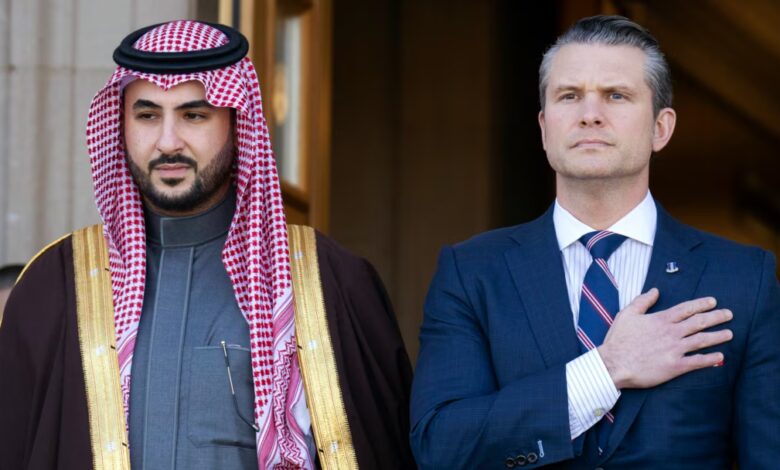
While Saudi Arabia previously managed relations with Tehran cautiously, the Saudi defense minister has now warned that if the US does not act on its threats against Iran, it will make the Islamic Republic "stronger and bolder."
According to Axios, Saudi Defense Minister Prince Khalid bin Salman told US officials in a private meeting in Washington that if Donald Trump does not carry out his threats against Iran, the Islamic Republic will emerge from this situation “stronger” and “bolder,” according to four sources present at the meeting.
These statements are in clear contrast to previous official Saudi positions that emphasized avoiding escalating tensions and finding a diplomatic solution with Iran. For example, in a recent phone call between Saudi Crown Prince Mohammed bin Salman and Tehran officials, Riyadh emphasized that it would not allow Saudi airspace to be used to attack Iran and stressed respect for Iranian sovereignty.
But now, according to a published report, Khalid bin Salman has delivered this warning message in closed-door meetings in Washington, where he met with American officials, including Marco Rubio and other members of the Trump administration.
Although on the surface, Saudi Arabia continues to emphasize caution and preventing escalation of tensions, the Defense Minister's private messages indicate Riyadh's deep concern that the United States will back down in issuing military threats against Iran.
This new stance is a strategic shift from Saudi Arabia’s previous diplomatic policies. In recent years, Gulf states, especially Saudi Arabia, have sought to reduce tensions with Iran to both maintain their energy security and economic stability and prevent the region from becoming a direct battlefield between Iran and foreign powers.
In the past few years, Riyadh has taken steps to improve relations with Tehran. A prominent example is that Prince Khalid bin Salman traveled to Tehran in previous years and delivered the Saudi king's peaceful message to Iran, and Iranian officials also stated that strengthening relations could be beneficial for both countries.
This background shows that relative calm and political balance between the two regional rivals have been important to Middle Eastern actors, as direct tension could have a very heavy economic and security cost for both countries and the entire region.
Khalid bin Salman's visit to Washington comes at a time when tensions between Iran and the United States have reached unprecedented levels. According to credible media reports, the United States is strengthening its military presence in the Persian Gulf and threats against Iran continue, while Washington says there is no direct negotiation with Tehran and Iran insists on fair negotiations without unilateral conditions.
Also, international media reports that security decisions in the United States and Israel regarding military action against Iran are considered to be significantly serious, and some Western sources have described it as almost certain.
Recent developments in Saudi Arabia's positions could have significant consequences:
- Political and diplomatic consequence: Riyadh's change in tone towards Iran could indicate a shift in priorities on the Middle East strategic map; Riyadh may feel that Tehran's power in the region will increase if the US does not act.
- Impact on regional security: If Saudi Arabia moves away from its previous stance of caution and avoidance of war, the likelihood of unintended dangers in the region will increase, especially as Washington's pressures against Iran converge.
- Message to Iran: The Saudi Defense Minister's explicit warning could also be aimed at creating psychological and political pressure on Tehran, showing that even the Arab countries in the region are concerned about Tehran's possible response to the threats.
While Saudi Arabia once advocated cautious positions and even efforts to improve relations with Iran, its defense minister has now warned at a meeting in Washington that if the United States does not carry out its threats against Iran, the Islamic Republic will become stronger and bolder.
This shift in language (from cautious to outright warning) is a sign of deepening internal divisions in Riyadh's Middle East policy and the complexity of relations between Iran, Saudi Arabia, and the United States, relations that could have broader implications for the future of the region.