Four Sufi Women Sentenced to 20 Years in Prison
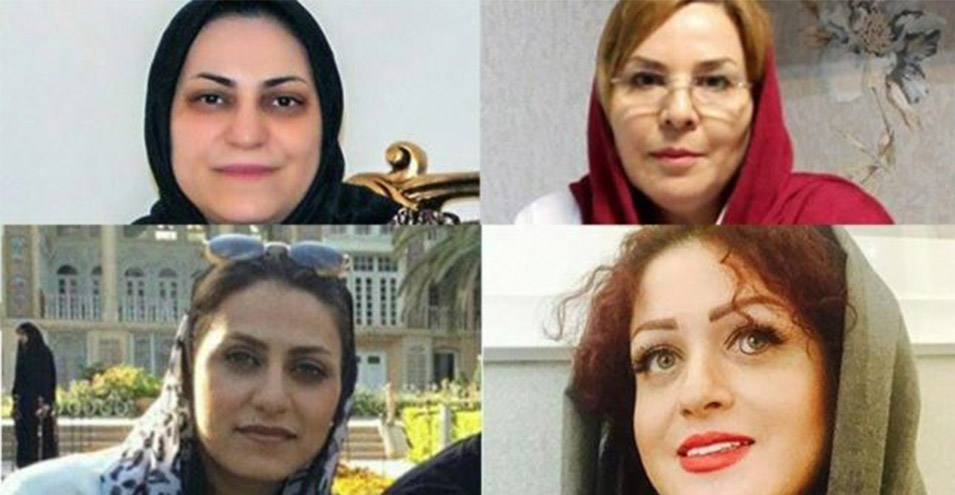
Reports indicate that four imprisoned Sufi women detained at Qarchak Prison in Varamin have been sentenced to a total of 20 years in prison on charges of “gathering and conspiracy with intent to undermine national security.”
Several news websites and the Telegram channel Majzoubane Noor, which publishes news about Sufis, reported on Tuesday, June 3rd, that the Revolutionary Court, headed by Judge Ahmadzadeh, sentenced each of “Nazila Nouri,” “Avisha Jalaladin,” “Sima Entesari,” and “Shima Entesari” to five years in prison.
The Sufi women were arrested in late February following a protest gathering of Sufis in front of Pasdarans police station in Tehran and street unrest on Golestan-e Haftom Street, which resulted in the death of three officers and injuries to dozens of Gonabadi Sufis.
Over the months, families of these individuals repeatedly protested against violations of the prisoners’ rights and their beatings.
According to the Majzoubane Noor Telegram channel, these Sufi women were arrested with severe beatings during the Golestan-e Haftom incident and during their detention in prison were deprived of legal rights including separation from prisoners convicted of other public crimes, contact with family members, and medical and health facilities.
In one of the most recent incidents, imprisoned Sufi women were beaten by prison guards on June 12th and were separated from one another.
Previously, the Majzoubane Noor website reported that following the transfer of Nazila Nouri to a hospital for surgery, security officials announced at the hospital that if the imprisoned female Sufi was not restrained to her bed with shackles and handcuffs, she would be returned to prison. She was scheduled for surgery on the recommendation of her treating physicians but was also denied visits from family members at the hospital.
Earlier, the husband of Dr. Nazila Nouri and the father of Kianosh Abbaszadeh, among the detained Sufis, described in an audio file provided to Voice of America that imprisoned Sufis have faced various forms of physical and psychological torture and have been denied the right to have legal representation.
In recent months, concerning reports of violations of the rights of imprisoned Sufis have been published, drawing reactions from international bodies. The International Federation of Human Rights Societies, on April 16th, referring to the trial of arrested Gonabadi Sufis along with “cover-ups,” called the action a “mockery of justice” and a “clear violation of international standards.”
The U.S. State Department also, in December of last year, while condemning the suppression of Gonabadi Sufis, reacted to the suspicious death of one of these Sufis in custody and described it as concerning.
Source: Voice of America