How does a person convert to radical Islam?
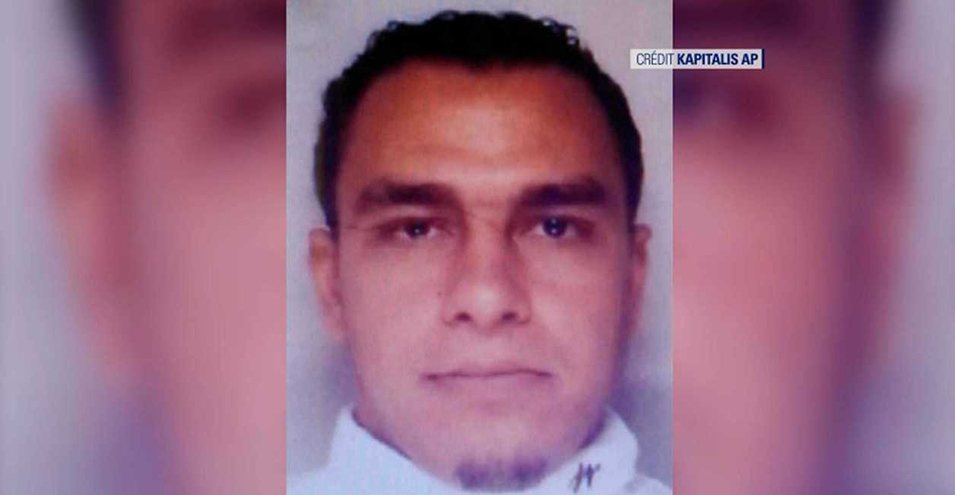
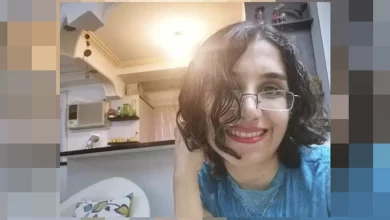
A few days after the terrorist attack in Nice, the issue of how the perpetrator of the attack, Mohamed Lahouaiej Bouhlal, became inclined towards radical Islamism is still under discussion. While French Interior Minister Bernard Cazeneuve, citing some of Bouhlal's relatives, spoke of his rapid conversion to Islamism. Sociologist Shahla Chafik questions the rapid conversion to Islamism, saying that the process of radicalization is complex and long, and if someone quickly turns to extremist actions, they have already accepted certain prerequisites.
In an interview with the Persian service of Radio France Internationale, Shahla Shafiq emphasizes that it is wrong to examine the issue of radicalization only from a psychological perspective, because this issue is mainly ideological and political.
He continues that the problem of Islamism cannot be explained solely by psychology, and Islamism, like any other ideology, is related to psychological issues, but these psychological factors are not necessarily related to the fragility of individuals, but other problems such as narcissism may also be involved.
Shahla Shafiq also says that the issue of radicalism should not be reduced to discrimination and injustice; some of those who converted to Islamism were not discriminated against.
Referring to various movements in France, this sociologist emphasizes that if we say that everyone who is discriminated against turns to extremism, it is both analytically incorrect and an insult to the discriminated against, because there is also another type of struggle.
Shahla Shafiq also says about the way to deal with the issue of Islamic radicalism in France that security methods should be used alongside educational methods.