Persecution of Religious Minorities in Iran; Ardeshir Fanaiyan, Bahai Citizen, Returned to Prison One Day After Marriage
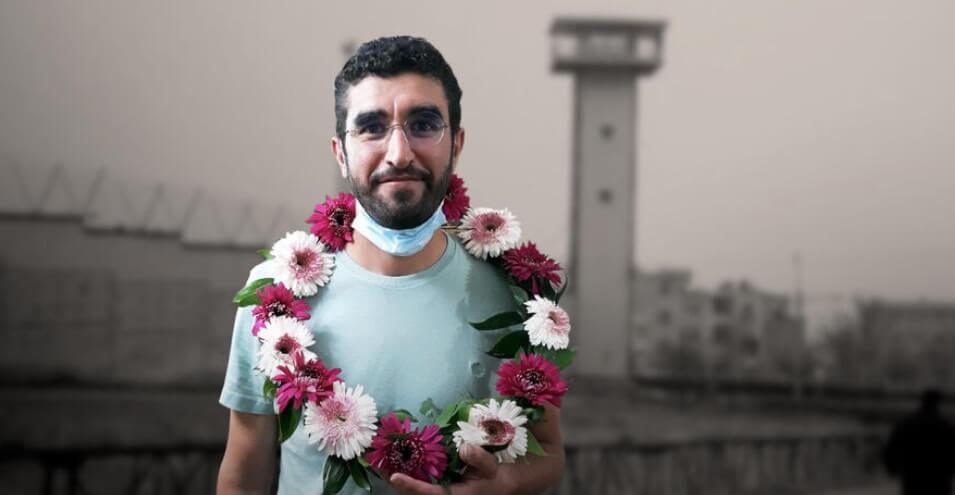
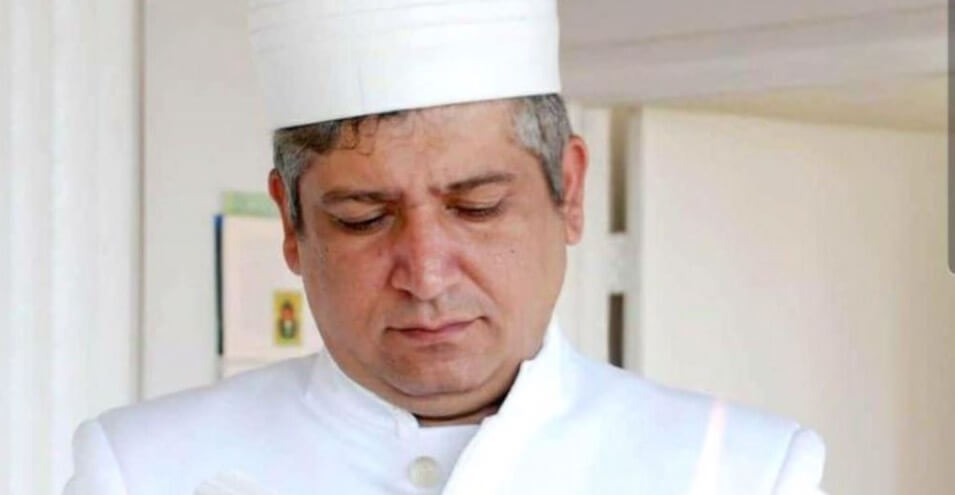
Ardeshir Fanaiyan, an imprisoned Bahai citizen, was returned to prison one day after his marriage due to the non-renewal of his furlough.
Mr. Fanaiyan, who had been imprisoned for a long time, was finally released on furlough on August 14. He married Golrokh Firouzian, a Bahai citizen, on August 18. Ms. Firouzian had also previously been sentenced to six months in prison due to her belief in the Bahai faith.
A source close to Ardeshir Fanaiyan told Voice of America that Mr. Fanaiyan applied to extend his furlough on August 19, but prison authorities did not approve his furlough extension.
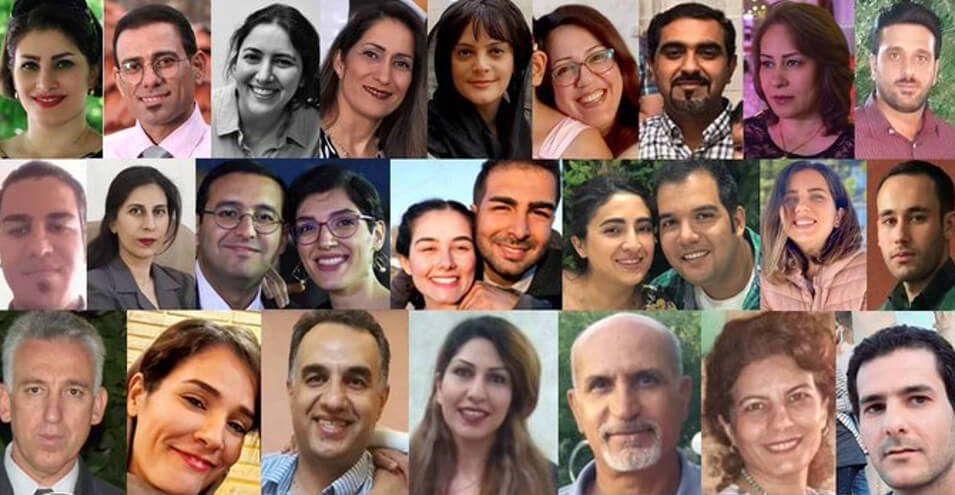
Ardeshir Fanaiyan was arrested on March 31, 2019, along with two other Bahai citizens named Yalda Firouzian and Behnam Eskandarian in Semnan. These three were initially sentenced to a total of 20 years in prison by Branch One of the Islamic Revolutionary Court of Semnan, presided over by Mohammad Ali Rostami, a sentence that was reduced to 12 years by the Semnan Court of Appeals.
Furthermore, Ardeshir Fanaiyan was sentenced to one year of banishment from Semnan Province and one year of exile to Khash city in Sistan and Baluchestan Province, while Yalda Firouzian and Behnam Eskandarian were sentenced to two years of prohibition from being in Semnan Province.
This source close to Mr. Fanaiyan, who preferred not to disclose his name due to security concerns, told Voice of America that Mr. Fanaiyan’s five-day furlough was granted after many months of requests. He said that Ardeshir Fanaiyan’s family had repeatedly requested his furlough from judicial authorities since the outbreak of coronavirus, especially in prisons. Mohammad Mohammadi, the head of sentence execution at Semnan Prison, had repeatedly opposed this prisoner’s furlough and said that he “is better off and safer in prison.”
According to this informed source, this judge had also said at one point that the Semnan Intelligence Office did not approve granting furlough to Ardeshir Fanaiyan.
This source says that finally on Thursday, August 14, Mr. Fanaiyan’s five-day furlough was approved.
Prison Sentence for Religious Activities
Based on the evidence cited in the primary and appellate courts, Mr. Fanaiyan was accused of “engaging in the formation and management of an illegal group within the country with the aim of undermining the country’s security” and “participating in actions against the Islamic Republic of Iran’s system on behalf of anti-system groups.” Similarly, Yalda Firouzian and Behnam Eskandarian were also accused of “participating in actions against the Islamic Republic of Iran’s system on behalf of anti-system groups” and “membership in an illegal group with the aim of undermining internal security.” This was while these three individuals had objected to the court’s evidence.
An informed source close to Mr. Fanaiyan told Voice of America that the court’s evidence for accusing these three individuals was holding religious meetings and studying religious books, consultative meetings, and educational, instructional, and artistic classes. These three individuals do not consider their activities criminal, and even in the appellate court’s decision, it is mentioned that these three individuals rejected their charges.
The Islamic Republic of Iran does not recognize the Bahai faith as an official religion and has treated followers of this faith since the beginning of the revolution with actions such as imprisonment, prevention of business activity, and even execution.
This is not the first time Mr. Fanaiyan has been arrested and imprisoned due to his belief in the Bahai faith. This Bahai citizen was arrested by security forces in late 2011 and later sentenced to eight months in prison. He was released from prison in 2013 after serving six months of his sentence.
This informed person told Voice of America regarding Mr. Fanaiyan: “Ardeshir was arrested and imprisoned without having any activity, and his family is seeking justice. But unfortunately, the laws governing the Islamic Republic are such that even Muslims are dissatisfied with these laws and the judiciary.”
It is worth noting that the parents of this Bahai citizen were sentenced to a total of 9 years in prison in the 1980s, both of whom spent their sentences first in Semnan Central Prison and later in Evin Prison, and Ardeshir Fanaiyan was born in December 1988 in Semnan Prison.
Sam Brownback, U.S. Ambassador-at-Large for International Religious Freedom, said on March 16 at a special press conference in Washington: “Bahais in Iran, and unfortunately in some other countries around the world, are subjected to severe harassment and persecution.”
The U.S. Commission on International Religious Freedom also expressed concern in early spring in its annual report regarding the state of religious freedoms in Iran; part of this report states that the Islamic Republic has increasingly targeted Muslim minorities, particularly Sunnis and Sufis, as well as followers of other religions and faiths, including Bahais and Christians.