From Prison to Exile: World Refugee Day and the Silent Cry of Iranian Christians
Every year on June 20, the world commemorates “World Refugee Day”—a day to remember millions of people who have left their homes and homeland due to war, violence, discrimination, and persecution. Yet among the statistics and global reports, one group of refugees remains less visible: Christians who have tasted exile, imprisonment, and displacement solely because of their faith.
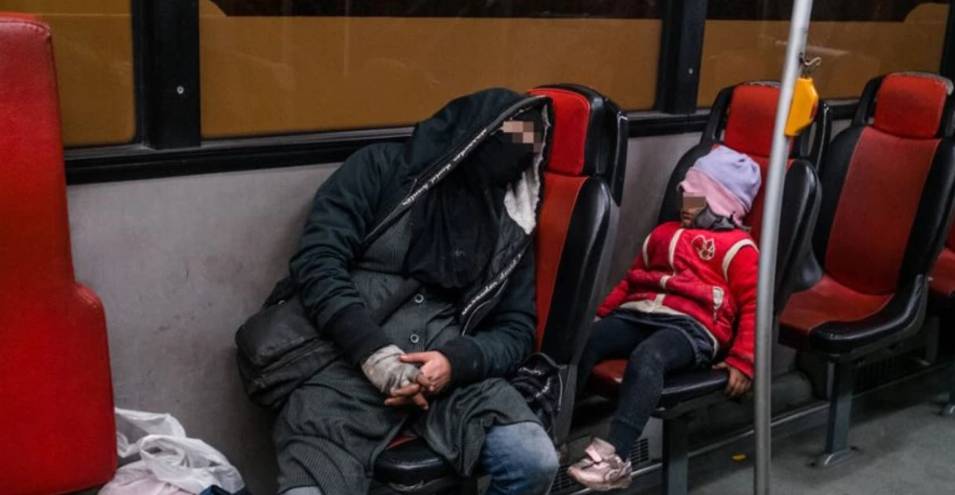
For many Iranian Christians, seeking refuge has not been a choice; rather, it has been a direct consequence of their loyalty to their faith. In recent years, a considerable number of Christian citizens in Iran have faced arrest, interrogation, social deprivation, and security pressure. Some still languish in prisons, while others have been forced to abandon their homeland to freely practice their faith.
The story of Iranian Christians is not merely a narrative of leaving a country; it is a narrative of abandoning home, family, language, memories, and a future they once imagined for themselves. They often undertake difficult and perilous journeys in hopes of finding religious security—journeys that sometimes last years and are fraught with tremendous uncertainty.
The Bible itself is filled with narratives of migration, exile, and refuge. Abraham left his homeland at God’s call. The Israelites lived in foreign lands for years. David fled from Saul. Even Jesus Christ himself fled to Egypt as a child with his family to escape the threat of death. The Gospel of Matthew writes that Joseph was warned in a dream and took the child and fled to Egypt (Matthew 2:13-15).
For this reason, the issue of refugees is not merely a social or political issue for Christians; it is part of the narrative of salvation in the Bible. The author of the Letter to the Hebrews reminds believers: “Do not forget to show hospitality to strangers, for by so doing some people have shown hospitality to angels without knowing it” (Hebrews 13:2). This verse has repeatedly been cited in churches’ ministry to refugees.
Erik Tryggestad, editor-in-chief of the Christian publication “Christian Chronicle,” is among Christian media leaders who has reported for years on the condition of refugees and the church’s service to them. He has written that throughout his years of work, he has spent considerable time discussing refugees and having personal conversations with them, repeatedly emphasizing the church’s responsibility to serve migrants and displaced persons.
Tryggestad has also spoken in his reports about Christians who were once refugees themselves and today are engaged in serving other displaced persons in European countries. He recently wrote about Iranian and Middle Eastern Christians living in Europe: “They were once refugees themselves, and now, with deep compassion, they serve war-torn refugees.”
These narratives remind us of an important truth: being a refugee is not the end of the story. Throughout church history, God has demonstrated that He can transform the pain of exile into an opportunity for testimony, service, and the spread of the Gospel. Many Farsi-speaking churches outside Iran have emerged from these forced migrations and have become places for spiritual growth and evangelism.
On World Refugee Day, the global church is called to look beyond statistics and reports and to see the faces of those who have paid a heavy price because of their faith; Christians, some of whom still spend their days in Iranian prisons and others who wait in camps, reception centers, and foreign lands for a safer future.
Today, more than ever, the voices of these brothers and sisters need to be heard. They not only need legal and humanitarian support, but they also need the prayers, compassion, and companionship of the church of Christ around the world.
On World Refugee Day, let us remember that Christ himself tasted displacement, and God still stands beside the strangers, the displaced, and the oppressed.