One Church, One Community, One Warning; Will Holy Mesrop Be the Next Victim?
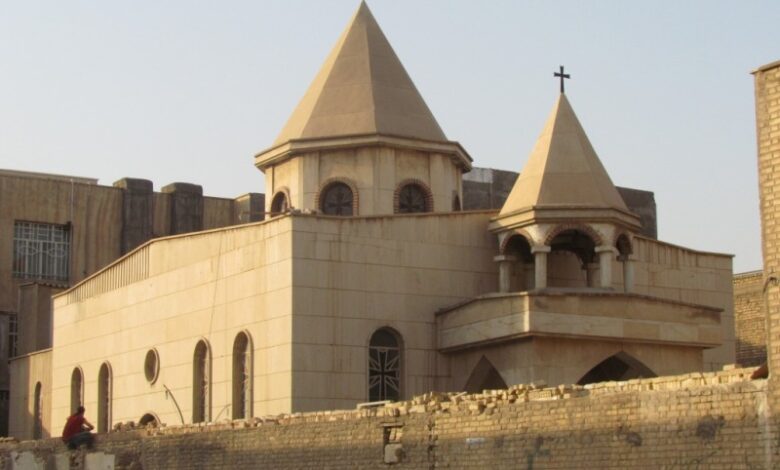
Concerns about the fate of the “Holy Mesrop Church” in Mashhad, the only remaining Armenian church in the city, have once again drawn the attention of cultural heritage activists and religious freedom advocates to the situation of Christian sites in Iran. Published reports indicate that the possibility of selling this building, registered in Iran’s list of national monuments, has been raised; an issue that, alongside the recent demolition of the Evangelical Church in Mashhad, has intensified fears of a repeating process that has led to the gradual decline or elimination of some historical and religious symbols of Christians in Iran over recent years.
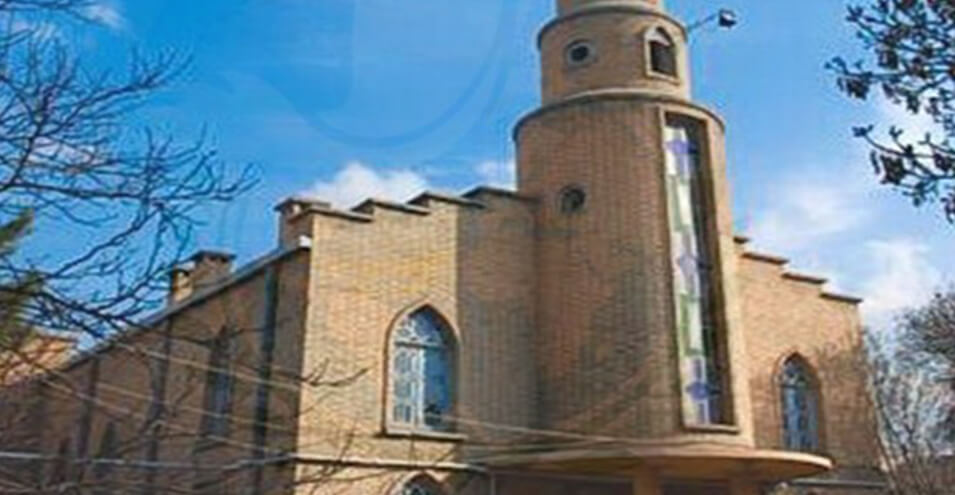
The Holy Mesrop Church, built in 1941 by the Armenian community of Mashhad, is considered one of the most important monuments to the historical presence of Christians in the city. The building was registered in the list of Iran’s national monuments in 2005 and is of special historical and cultural significance. Various sources have emphasized that this church was not only a place of worship but also part of the identity of Mashhad’s Armenian community.
While officials of the Armenian Apostolic Church Council have cited the severe decline in the Armenian population and maintenance costs as reasons for transferring the property, critics argue that the fate of this church cannot be examined separately from the broader process of restricting Christian presence in Iran. Over past decades, extensive Christian emigration, closures of educational and religious centers, and restrictions imposed on some churches have resulted in the shrinking of Christian communities in many Iranian cities.
An examination of images and reports published in 2025 also shows that the Holy Mesrop Church was practically abandoned at that time and was not accessible to the public. In explanations accompanying these images, it was stated that the church building was abandoned and closed to the public.
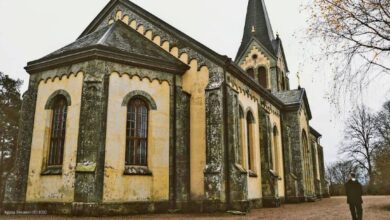
Current concerns are not limited to the possibility of sale alone. Cultural heritage activists warn that any transfer, change of use, or neglect of this historical building could pave the way for the disappearance of yet another symbol of Christianity in Mashhad. These concerns have intensified following the demolition of the Evangelical Church in Mashhad in recent weeks; an event that prompted widespread reactions from social media users and cultural heritage observers.
Critics of the Islamic Republic believe that the government’s treatment of Christian heritage over the past four decades has often been accompanied by neglect, restrictions, or confiscation; a process that, according to them, has not only affected the rights of religious minorities but has also endangered part of Iran’s historical and cultural diversity. Under such circumstances, the fate of the Holy Mesrop Church is viewed as more than just a historical building; a structure that for many Iranian Christians symbolizes the long-standing presence of the Armenian community in one of the country’s most important cities.
Cultural heritage activists and religious freedom advocates are now calling for immediate intervention by responsible institutions to ensure the protection of this registered monument; a demand that, if ignored, could face Mashhad with the loss of yet another sign of Christianity’s history in Iran in the near future.