If Tehran Withdraws from Agreement, It Will Face “Very Severe Consequences”
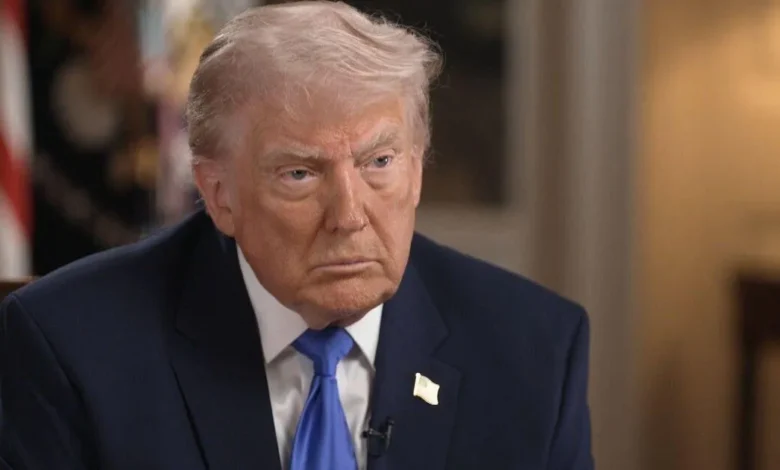
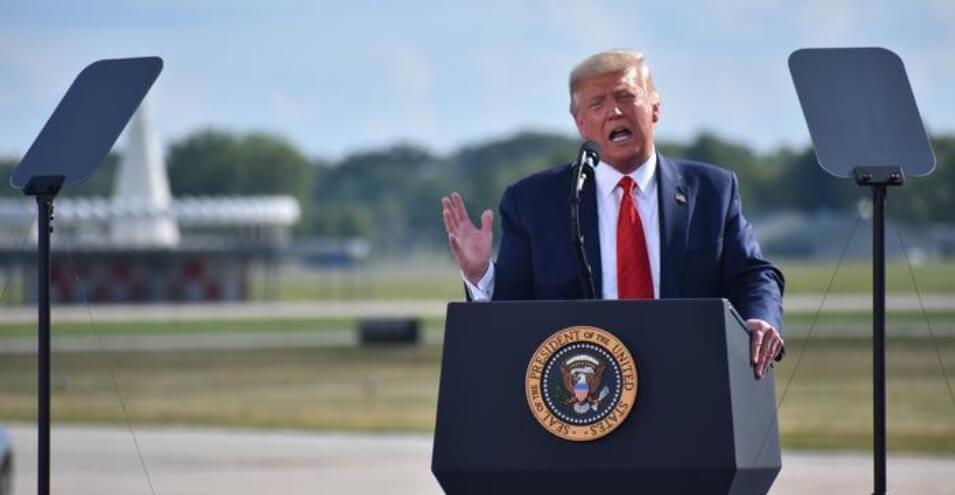
Donald Trump, while emphasizing the continuation of negotiations with the Islamic Republic, warned that if the talks fail or Tehran withdraws from a potential agreement, Iran will face “very severe consequences.” He also stated that the reopening of the Strait of Hormuz should happen soon and that the main focus of negotiations is preventing Iran from obtaining nuclear weapons.
Donald Trump, the President of the United States, in his latest remarks regarding negotiations with the Islamic Republic, while expressing optimism about the course of talks, warned that if negotiations fail or Tehran withdraws from a potential agreement, the Islamic Republic will face “very severe consequences.”
In an interview with Fox News, Trump considered the reopening of the Strait of Hormuz as one of the urgent topics of negotiations and stated that this strategic waterway should be reopened very soon. He emphasized that otherwise, the Islamic Republic will face a harsh response from the United States.
These remarks come at a time when the American media outlet Axios reported that the United States, Iran, and Oman have come close to reaching a temporary agreement on reopening the Strait of Hormuz, and this agreement is likely to be announced soon. According to the report, negotiations are underway with Oman’s mediation and aim to reduce tensions and create conditions for resuming broader talks about Iran’s nuclear program.
The U.S. President described preventing the Islamic Republic from obtaining nuclear weapons as the most important axis of negotiations and said: “They cannot have nuclear weapons. The issue is very simple.” He added that in his belief, Iran currently does not have access to such weapons, but a potential agreement would formally solidify this situation.
Trump also claimed that officials of the Islamic Republic are in fact seeking to reach an agreement, although in their public statements they deny conducting talks with the United States. Referring to this contradiction, he said: “What matters are the practical actions of the Iranian side, not media positions.”
In another part of this interview, Trump claimed that before negotiations began, the United States was on the verge of launching a major attack against the Islamic Republic, but according to him, Tehran’s request for talks stopped this action. Referring to previous American strikes against military targets in Iran, he added: “We struck them a very, very hard blow, but the main strike is still on its way.” However, he expressed hope that the diplomatic process will prevent the implementation of such an attack.
Meanwhile, reports of conflicting narratives about the negotiations have been published. While some sources report that the parties are drawing closer to a temporary agreement, officials of the Islamic Republic continue to deny any direct negotiations with the United States and describe current talks as merely consultations between regional countries. Additionally, reports on possible details of the agreement, including how to manage shipping routes in the Strait of Hormuz, have been published, but no final agreement has been formally announced yet.