Re-arrest of Student Mehshad Kashani in Isfahan Signals Continued Crackdown on Dissidents
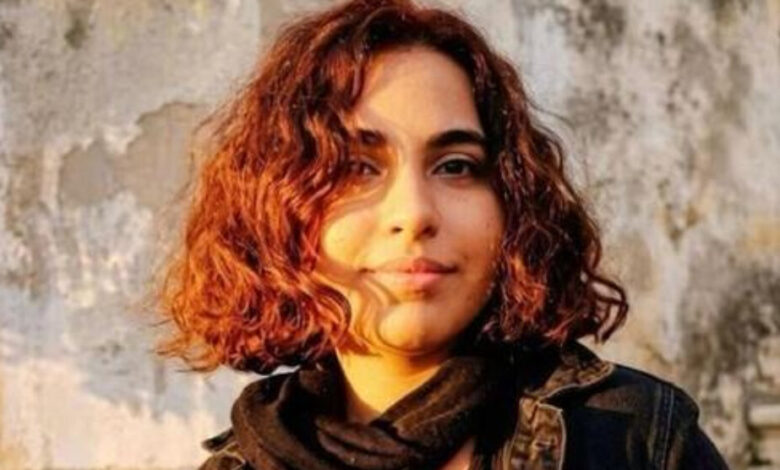
More than six months have passed since the December protests, yet the Islamic Republic continues to arrest, charge, and disappear protesters. Mehshad Kashani, a detained student from the protests, has been arrested again without a court order in Isfahan and transferred to an undisclosed location.
Over six months after the nationwide December protests, not only has the wave of suppression against protesters in Iran not ended, but fresh reports show that the Islamic Republic’s security apparatus continues its policy of re-arrests, filing new charges, and disappearing dissidents in an effort to silence any voice of protest. Human rights activists say that many of those arrested remain trapped in the cycle of legal and security prosecution even after temporary release and can be arrested again at any moment.
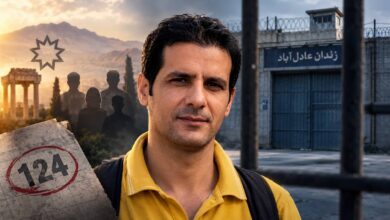
In the latest incident, Mehshad Kashani, one of the detainees from the December 1404 protests, was arrested again early Monday morning, August 3 (12 Mordad), by security forces in Isfahan and transferred to an undisclosed location.
According to published reports, around seven in the morning on Monday, four plainclothes officers—three men and one woman—raided the family residence of this student, arrested him without presenting a court order or identifying the detaining agency. According to family members, the officers only stated that the reason for the arrest was the filing of a “new case” against him.
Based on available information, Mehshad Kashani faces charges in the new case including “incitement of people to war and killing each other with intent to disrupt national security” and “disruption of public order and peace”—charges that have been repeatedly leveled against civil activists, students, and protesters in Iran in recent years and have been criticized by human rights organizations for their vagueness and potential for political abuse.
Mehshad Kashani was previously arrested on 10 December 1404, coinciding with nationwide protests in Isfahan. After being transferred to Dowlatabad Prison in Isfahan, he spent part of his sentence there and was finally released on bail in June 1405 after completing his previous conviction and posting bail in the case related to the December protests.
Now, only weeks after his release, this young student has been arrested again, and as of the publication of this report, no precise information has been released about his place of detention, physical condition, or his ability to contact his family and lawyer.
Mehshad Kashani’s re-arrest comes as human rights organizations have repeatedly warned that the Islamic Republic has continued arbitrary arrests, repeated summonses, forced disappearances, and filing of security cases against protesters even after the December protests. According to these organizations, many protesters remain under pressure from security agencies even after being released on bail and can be arrested again at any time.
Human rights experts believe the continuation of these arrests demonstrates that despite months passing since the end of the protests, the Islamic Republic’s policy toward dissidents has not changed. The use of arrests without warrants, detention in undisclosed locations, denying detainees immediate access to lawyers and family, and filing new cases are among the methods that human rights defenders say are used to create an atmosphere of terror and prevent the resurgence of protests.
Civil activists warn that the continuation of this process not only violates Iran’s international human rights commitments but also demonstrates that the government has chosen arrest, intimidation, and elimination of dissidents as its primary tool for controlling society—a process that continues unabated more than six months after the December protests.