Geneva on the brink of a major decision; the latest round of Iran-US talks under the shadow of the threat of war
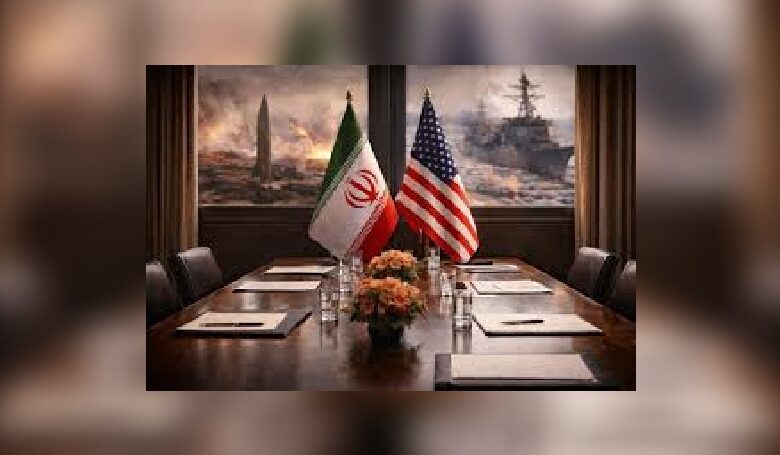
Geneva is on the verge of a major decision. This round of talks could mark the final chapter of the nuclear confrontation or the beginning of a new crisis.
Amid rising military tensions in the region and a significant redeployment of US naval forces, a convoy of US diplomats arrived at the Omani ambassador’s residence in Geneva, a building that has once again become the scene of indirect talks between Tehran and Washington. An hour later, news sources reported the arrival of the Islamic Republic’s delegation at the same location, where Oman continues to play a mediating role.
The Associated Press reported that a convoy believed to be carrying diplomats from the Islamic Republic has entered the residence of the Omani ambassador. The movements come as the atmosphere in Geneva, unlike last week, which was rainy and cold, is described as warm and sunny this time, but politically much more tense.
Although the focus of these official talks is on the nuclear program, concerns have gone beyond that. "Discussions between the American and Omani sides have begun, and the Iranian delegation will enter the negotiations in a few minutes," said Ismail Baghaei, spokesman for the Islamic Republic's Foreign Ministry.
He also said: "We are prepared to continue the talks as long as necessary to achieve national interests."
"We attended the negotiations with full seriousness to secure the interests of our country, and the subject of the negotiations is focused on the nuclear issue," Baghaei emphasized.
At the same time, the possibility of the presence of the Director General of the International Atomic Energy Agency has also been raised; an institution that has repeatedly warned in recent years about the increase in uranium enrichment levels in Iran and the decrease in regulatory cooperation. According to recent reports by the Agency, the amount of Iran's highly enriched uranium reserves has increased significantly; an issue that, from the West's perspective, could shorten the "nuclear escape time."
While Tehran insists on focusing negotiations on the nuclear issue, Washington has sent a different message. Mike Huckabee, the US ambassador to Israel, clarified: "The nuclear issue is only part of the concerns of the Donald Trump administration. He said the Islamic Republic must stop killing its own people and the ballistic missile program must also be the focus of attention."
Regarding the fate of the negotiations, Huckabee added: "Let's hope for a reasonable approach from the Iranians. But it's been 47 years and we're still waiting for that approach."
These statements show that even if progress is made in Geneva, the path to a comprehensive agreement will remain uneven, especially as regional issues, the missile program, and the issue of human rights remain areas of serious disagreement.
According to the official Oman News Agency, the country's Foreign Minister, Badr Al-Busaidy, met with Steve Whittaker and Jared Kushner in Geneva and reviewed the views and proposals of the Iranian side and the responses of the American team.
The Omani Foreign Minister said: "Efforts continue intensively and in a constructive spirit, and negotiators are seeking to pave the way for a fair agreement with lasting guarantees, with an unprecedented approach to new and creative ideas and solutions."
Despite speculation about the possibility of direct talks between Iran and the United States, as of the time of writing this report, Oman has officially maintained the role of mediator.
Shadow of War: Military Messages Simultaneously with Diplomacy
As the round of talks began, images emerged showing the aircraft carrier USS Gerald R. Ford leaving the Greek island of Crete, a move that is not without significance in the tense atmosphere in the region. Analysts say the moves could be part of “pressure diplomacy,” an indirect message to Tehran that the military option is still on the table.
Inside Iran, official media outlets have also adopted a warning tone. The state-run Islamic Republic News Agency wrote: “Iran’s signals of negotiating flexibility must be received correctly by the United States in order for this round of negotiations to be successful; a success that, if turned into failure, could trigger a new conflict and push the situation towards dangerous ambiguity.”
This phrase is effectively a tacit admission of the fragility of the situation, where the failure of negotiations could lead to a new cycle of military tension.
In Geneva, dozens of international journalists are following developments minute by minute. Analysts see three main scenarios as likely:
- Announcing progress and setting a time for the next round of talks;
- The failure of negotiations and the intensification of sanctions and military pressure;
- Reaching a limited agreement that temporarily manages some of the differences.
What distinguishes this round is its timing with increased enrichment, domestic pressures in Iran, and military buildup in the region. Many believe that these negotiations could be, if not the “last leaf,” then at least the beginning of the final chapter of an eroding conflict.
The key question, however, remains: Will Geneva see an agreement that will contain four decades of tension, or will this quiet Swiss city become the starting point of a new crisis? The answer may become clear in just a few hours after the talks.