30% drop in milk product consumption in Iran; researchers warn of parasitic contamination of chicken meat
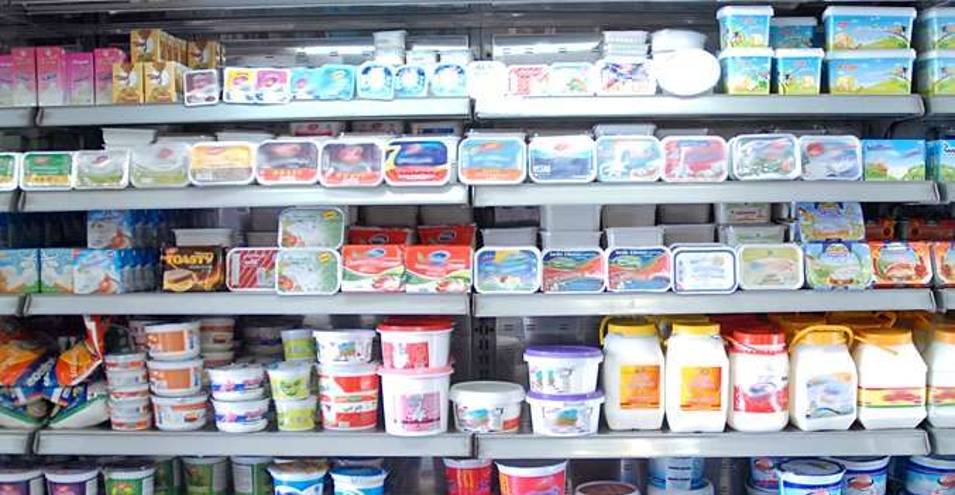
The Iranian Ministry of Health says that with the increase in food prices, the consumption of milk and its products has decreased by “about 30 percent.” On the other hand, according to studies by Iranian medical researchers, a dangerous type of parasite has been found in consumed chicken meat.
According to ILNA on Friday, January 7, Zahra Abdollahi, Director General of the Ministry's Nutrition Improvement Office, stated that in general, the consumption of milk and its derivatives in Iranians' diets has always been lower than the recommended amount, and said that due to the economic consequences of the coronavirus, inflation, and rising food prices, the consumption of milk and its products has been "removed" from some tables.
The report recommends that experts consume at least two servings of milk and dairy products daily, which means drinking a glass of milk or the same amount of yogurt and about 50 grams of cheese.
At the same time, ISNA has reported, based on studies by medical researchers in the country, that poultry meat (types of chickens and birds whose meat is used for food) is contaminated with the parasite "Toxoplasma gondii."
Based on these studies, contamination of chicken and similar birds with this type of parasite has raised "serious concerns" and sufficient care should be taken in the production and consumption of ready-made and semi-prepared foods made from such products.
The report, which was conducted by five researchers from Isfahan University of Medical Sciences to measure the "level of contamination of domestic and industrially raised chickens and roosters with this parasite," explains the evolutionary history of this parasite, explaining that it exists in "three forms: oocyte, tachyzoite, and tissue cyst." Of these, oocyte is only present in the cat's body, which is transferred to "water, vegetables, and other foods" through cat feces, and feeding these contaminated materials to chickens "causes the formation of a large number of tissue cysts in their organs and limbs, which in turn can infect those who eat such meat."
Maryam Shokrani, an economic reporter in Iran, pointed to a part of this research that was not mentioned in the ISNA report, writing in a tweet that the parasite "causes complications in the bodies of people with weak immunity" and is "especially dangerous for pregnant women."
He also referred to a study at Shahrekord University that reported milk contamination with this parasite.
Previously, Iranian agricultural exports, including shipments of watermelons from the UAE, tomatoes from Iraq, bell peppers from Russia, kiwis from India and China, and potatoes from Turkmenistan and Uzbekistan, were returned, generating widespread media and political coverage.
Source: Voice of America