Discovery of a large ancient Iranian "post office" in northern Türkiye
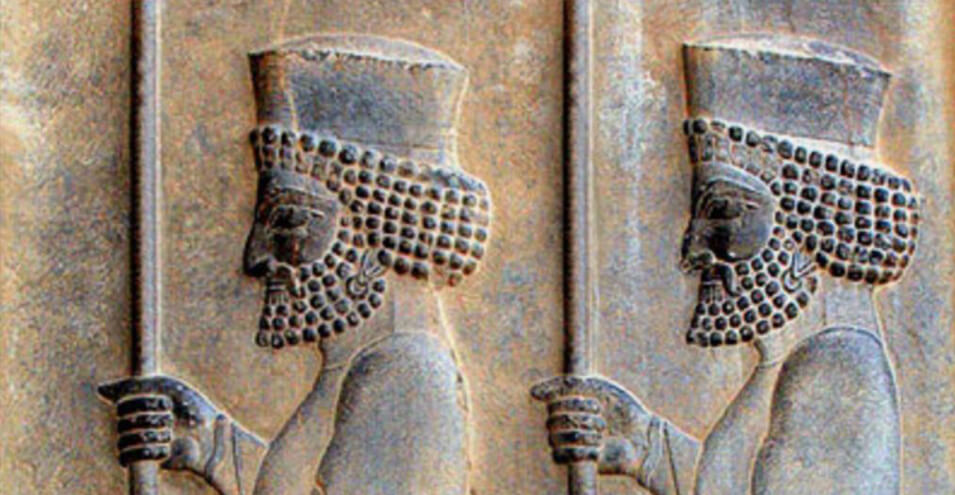
Archaeologists exploring in northern Turkey announced that they have discovered the remains of an Iranian "post office" and a Zoroastrian "firehouse" in this area, dating back to the Achaemenid period, 2,500 years ago.
According to Turkish newspapers Daily Sabah and Hurriyet, the discovery was made on the historical Uluz Hill near the village of Toklucak in Amasya province in the Black Sea region of Türkiye.
Professor Şüket Dönmez, a professor at the Department of Archaeology at Istanbul University, who is leading the excavation team at this historical hill, told the media that the team's excavations over the past four years have focused on artifacts from the Iranian Anatolian period, and the team has recovered many artifacts from this period.
He explained that the discovered site was a central Iranian riding stable in the region, where delegations would stop and change tired horses. According to him, the evidence suggests that this large riding stable was active 24/7 in summer and winter.
According to Professor Dünmez, a columned hall and a Zoroastrian hearth were also discovered in this chapel, which shows the importance of this place.
"The Iranians were the first civilization to bring the postal system to Anatolia," adds Şevket Dönmez. "They had a vast empire that stretched from Greece to Central Asia and Egypt, and they administered their empire through local governors."
Dönmez continues that for this reason, "the Iranians needed to send accurate news and information from the capital to the provinces in some way, and for this purpose they built a network of various roads within their territory."
This archaeologist says that the Achaemenid Iranians had designated special locations in this transportation network to establish a central post office (Chaparkhaneh), and the Columned Hall of present-day Uluz Hill was one of these centers.
He said his archaeological team had found the remains of a huge road leading to a temple and a colonnaded hall at the site. "From a design and shape perspective, the discovery of this road is the first of its kind from the Iron Age in Anatolia," he added.
He also explains about the other Achaemenid structures at the site: "The discovered hall has six stone pillars that were probably supported by wooden columns, and there was a conference room between them."
He emphasizes that the discovery of a fire temple at this site also represents the discovery of the oldest presence of monotheism in Anatolia.
The historical hill of Uluz (Uluz Hoyuk) was discovered in 1999, and archaeological excavations began in 2007. Archaeologists have so far discovered a total of 10 ancient settlements at the site.
Five experts from five different universities, three archaeologists, and 15 excavation and restoration experts are currently working on the Iranian layer of the site, and their work will continue until September of this year.
Professor Şüket Dönmez, a professor at the Department of Archaeology at Istanbul University, told the media last year about his team's discoveries at the site that there is no direct reference to this site in historical texts, but Herodotus, the ancient Greek historian, mentioned in his writings a city called "Crytales" in eastern Anatolia, which he said was the headquarters of Xerxes' army. According to him, it is not unlikely that this headquarters was the present-day Uluz Hill.
Previously, other artifacts have been found in Anatolia since the period when Anatolia was annexed to Iran 2,500 years ago, including the discovery of a building in the Aegean region of Türkiye.
In western Türkiye, near the coast of the Aegean Sea, a relatively intact monument remains, not unlike the tomb of Cyrus the Great in Pasargadae or the tomb known as the "Gordukhtar" in Kazerun.
Source: Radio Farda