Kamalvandi: We have produced 25 kilos of 60% uranium; only countries with nuclear weapons have the capability to do so

Announcing that Iran's highly enriched uranium reserves have reached 25 kilograms, the spokesman for the Atomic Energy Organization of Iran said that only countries with nuclear weapons are capable of this level of enrichment.
Behrouz Kamalvandi stated during a ceremony at the former US embassy in Tehran on Wednesday evening, November 3, that according to the resolution of the Islamic Consultative Assembly, 120 kilograms of uranium with 20 percent enrichment should have been produced, but Iran's reserves of 20 percent uranium have currently reached 210 kilograms.
He added that with the lifting of legal restrictions, the stockpile of 60 percent enriched uranium has also increased to 25 kilograms.
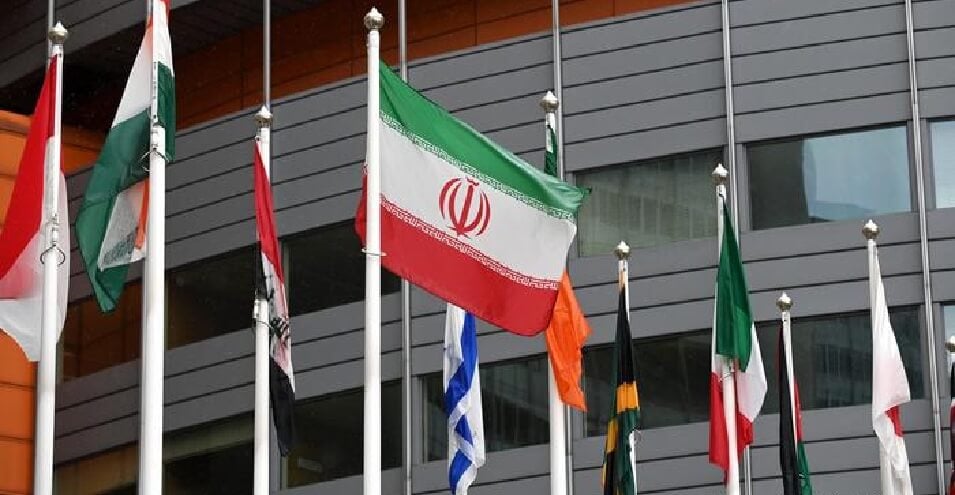
These remarks come at a time when, according to Tehran's announcement, a new round of negotiations to revive the JCPOA is scheduled to resume in Vienna on November 29th after a break of several months.
In a report published in September of this year, the International Atomic Energy Agency announced that Iran's reserves of 20 percent enriched uranium were 84 kilograms and that Iran's reserves of 60 percent enriched uranium were 10 kilograms.
Britain, France and Germany, the three remaining European countries in the JCPOA, praised the IAEA's "timely, independent and accurate report" in the following days, calling Iran's nuclear progress "unacceptable." At the same time, they stressed that Iran must immediately stop producing uranium metal and 60 percent enriched uranium.
To produce a nuclear bomb, uranium needs to be enriched to 90 percent, and Iran is close to this level.
Based on a resolution passed by the Islamic Consultative Assembly in December last year, the Iranian government restricted access to IAEA inspectors to its nuclear facilities and suspended voluntary implementation of the Additional Protocol as of March 2020. As part of this measure, the IAEA has not been allowed to access information from surveillance cameras at Iran's nuclear sites for months.
At the same time, over the past two years, Tehran has reneged on its nuclear commitments under the JCPOA, increased the number of its advanced centrifuges, increased uranium enrichment to higher levels, and severely limited the Agency's oversight of its nuclear program.
France warned on Thursday that it was consulting with its partners on how to respond to the Iranian government's "lack of cooperation" with the International Atomic Energy Agency.
Source: Radio Farda