Medicine shortage and wandering of special patients; Tehran police discover "half a million illegal rare and scarce medicine pens"
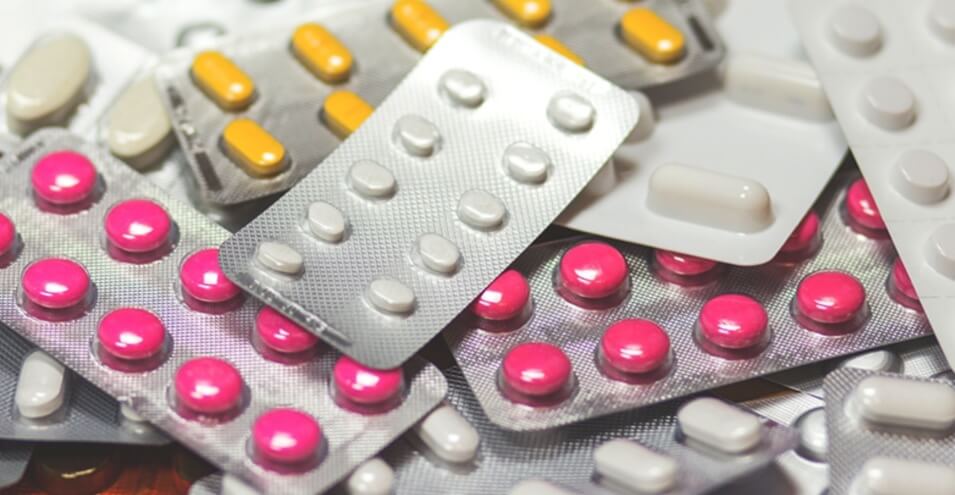
Media reports from Iran suggest that certain patients are wandering from pharmacy to pharmacy to get their medicine. Meanwhile, police say they have seized half a million illegal drugs in Tehran, and a member of parliament has confirmed that rare drugs can be found on the open market for many times the price.
Previously, Ali Fatemi, Vice President of the Iranian Pharmacists Association, had told ISNA news agency on Tuesday, December 13, pointing out that there has always been a shortage of between 30 and 40 items of medicine, mostly imported, and that there is now a shortage of more than 100 to 150 items of medicine, both imported and domestically produced, in Iran, and that medicines such as very simple antibiotics that were manufactured in Iran for decades have become scarce and scarce; statements that the Director General of Drugs and Controlled Substances of the Food and Drug Administration had called "an incorrect narrative in reporting statistics."
In a report published on Tuesday, January 11, the Iranian Labor News Agency described "medicine" as the "second most frequent issue this year" in the health sector after COVID-19, which "makes the headlines every few days."
In recent days, the newspapers Etemad and JamJam had reported on the shortage and price of medicine.
In this field report, ILNA News Agency spoke with a group of patients suffering from cancer, multiple sclerosis, and kidney problems who have wandered between different pharmacies to find the items they need. They confirmed the scarcity and extreme price of essential medicines.
The report also refers to the statements of Homayoun Sameh Najafabadi, a member of the Islamic Consultative Assembly's Health and Treatment Commission, who acknowledged the "shortage and problem, especially with regard to medicines for specific diseases, including transplant and cancer patients," this year, emphasizing: "Unfortunately, we saw that the same medicines that are facing shortages were found on the open market at several times the price."
Referring to the end of the "two million dollars of preferential foreign exchange" allocated for medicine "until October 1402", Sameh Najafabadi said: "It has been less than a month since another 700 million dollars outside the 4,200-toman foreign exchange budget has been provided by the government. Medicine is imported in bulk and in bulk, but with this amount of foreign exchange allocation, there is no ability to fully import medicine at the previous prices."
He added: "The import of raw materials was allowed with free currency, otherwise the situation would have been much worse. Some medicines were imported with free currency and were made available to the people at the same free currency price. Unfortunately, the patient himself will bear the difference in the price of insurance and medicine."
At the same time, IRNA reported that the Information Production and Exchange Space Police, FATA, arrested an individual on charges of "selling illegal drugs in cyberspace" by "intercepting an Instagram page" with more than 90,000 followers and discovered "more than half a million items of rare and scarce drugs" in his warehouses.
Previously, the chairman of the board of directors of the Iranian Thalassemia Association, referring to the severe shortage of vital medicines for 20,000 thalassemia patients in the country, said that no medicine for thalassemia patients has entered the country since the beginning of this year.
In a previous report, ILNA News Agency quoted Mohammad Alizadeh as saying that the only medicine imported this year for thalassemia patients was 350,000 counterfeit drugs, which caused great losses for patients.
The 1401 budget of the Ebrahim Raisi government does not include a place for preferential currency. Health Minister Bahram Einollahi has said: "Preferential currency is corrupt and should be eliminated, and by eliminating this currency, the cost of medicines will be paid to the people by insurance." Meanwhile, some experts believe that eliminating the 4,200-toman currency will bankrupt insurance companies.
Source: Voice of America