Kurdpa Agency: The unprecedented scale of sexual abuse of child laborers and the increasing prevalence of addiction among them in recent years have presented Iran's moral society with numerous challenges.
The security context of the Islamic government and the presence of intelligence agencies even in Iranian social institutions have prevented researchers from having accurate statistics and calculations of the extent of the spread of social harms in Iran. However, despite all these circumstances, there are activists and researchers who, in such extremely difficult circumstances, have not forgotten their commitment to society and humanity and have not hesitated to tell the truth.
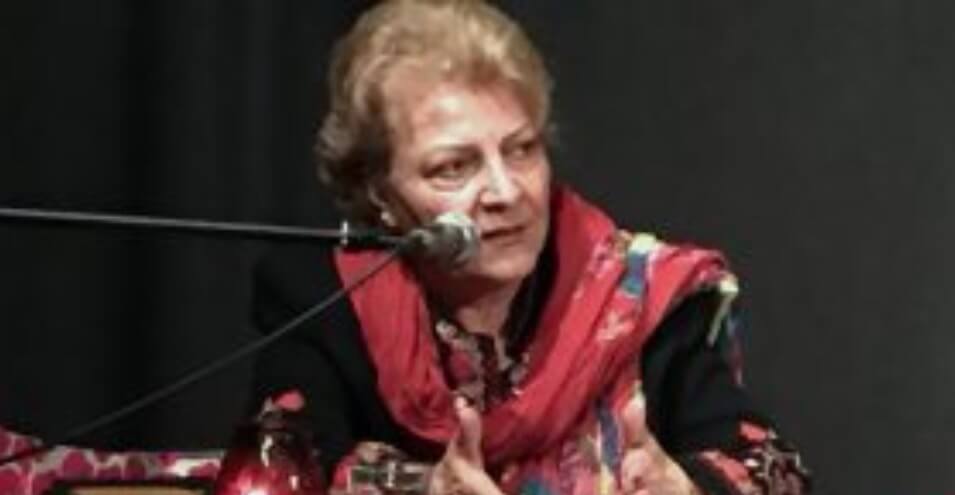
According to the ILNA news agency, on May 23, in a joint roundtable discussion with labor activists and child rights advocates, “child labor” was pathologically diagnosed and various aspects of this issue were examined. Labor activist Zahra Sayadi stated during the meeting: “Previously, the problems and harms of child laborers were far less complex, but these days, the problem of addiction and overt and covert sexual abuse has been added to the above problems, which has worsened the situation and made the issue far more complicated.”
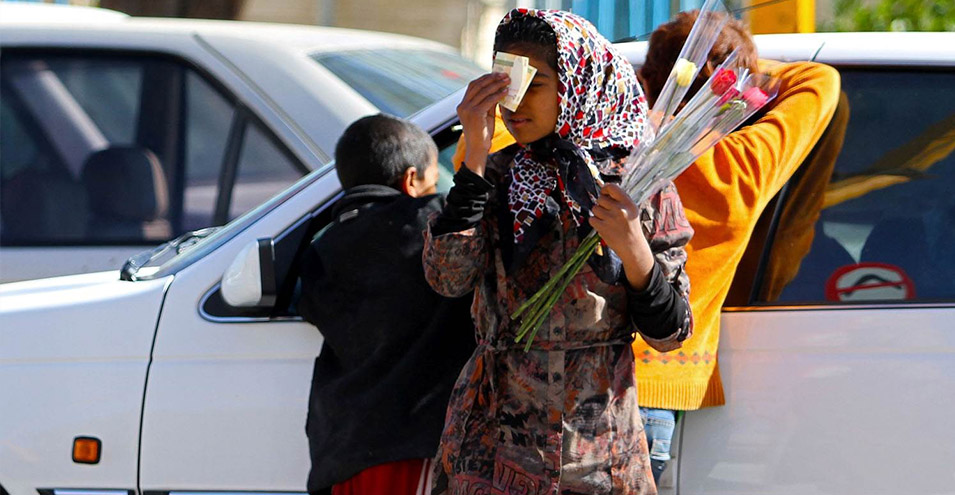
Sayadi added: "Another important issue is that the image of child laborers must be de-stereotyped, because these days child laborers are not just on the streets. We are faced with many children who work in home businesses and small workshops, and in some cases are even exploited by their parents or close relatives."
Hadi Shariati, another analyst present at the meeting, pointed out the alleged and ineffective role of various Iranian governments in preventing and eradicating the issue of “child labor,” saying: “Conditions have worsened and harm has increased dramatically. I see one of the roots of this problem in the sloganization of the protection system. Another problem is that the main custodian of protecting child laborers is not clear either in law or in practice.”
Sayadi also pointed out the futility of the activities of popular associations and said: “Unfortunately, many non-governmental organizations have also distanced themselves from their main goals over time and have turned to dramatic and sloganeering movements.” He also pointed out the improper functioning of the Islamic Republic of Iran Radio and Television and attacked it, noting: “I would like to strongly criticize the performance of the mass media, especially the IRIB, in this regard. By distorting and distorting reality, the IRIB is trying to hide the factors that create child labor and only deals with the emotional and unrealistic aspects of the issue. A superficial look at child labor not only does not cure the pain, but can also exacerbate the infrastructure that causes the crisis by erasing the real face of the issue.”
The unprecedented extent of sexual abuse of child laborers and the increase in addiction among them in recent years have presented Iran’s moral society with numerous challenges. This has preoccupied child and labor rights activists and activists with questions to find the roots of this social harm in the past decade. Hossein Habibi addressed this issue in this meeting and pointed out that: “This crisis is 100 percent the result of the establishment of injustices and unfair distribution of wealth in society, and in such circumstances, all activists must have a single goal, and that is the complete negation and abolition of child labor.”
He considers the government to be the main responsible party and directs the main focus of activities towards the government, saying: "If by forming NGOs, our goal is only to get more facilities for these children, we must know that this is not a structural solution and that solving the problem structurally will not get anywhere. Rather, the main priority should be based on actively pursuing a central demand from the authorities, and that common and central demand is the complete elimination of child labor."
Ali Khodai points to the deficit in the family's livelihood basket and the sharp decline in household income, citing it as one of the main factors in the increase in the percentage of "child laborers" and says: "The working class has problems with livelihood and unemployment, and it is in such circumstances that children are forced to participate in the household economic process to compensate for the deficit in the livelihood basket and are exposed to serious harm."
Khodayi attacked the Ministry of Cooperatives, Labor and Social Welfare as responsible for social protection for low-income families, adding: “Not only has this institution not taken preventive measures, but the policies implemented, especially after the targeted subsidies, have led to more child labor being injected into society.”