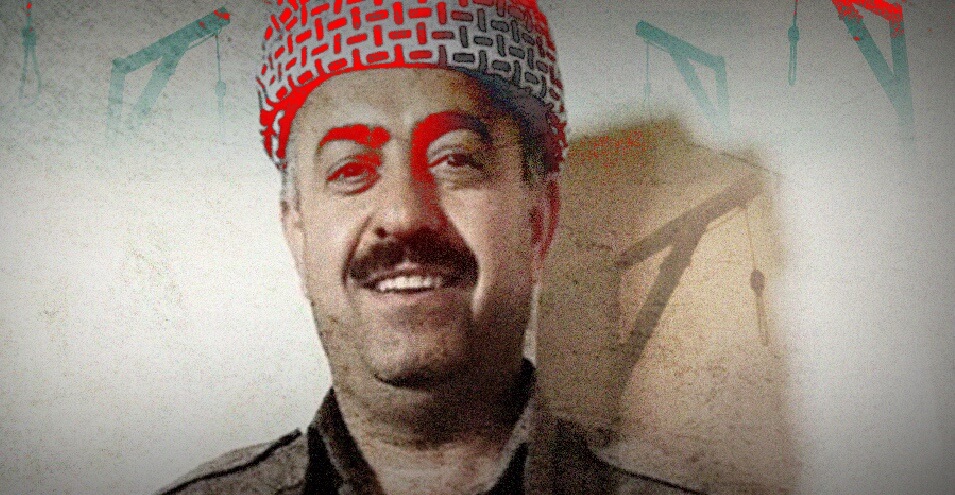
Amnesty International protests heavy sentences against trade union activists

Amnesty International described the prison and flogging sentences handed down to the seven activists as “the latest cruel example of the unjust judicial system in Iran.” The international human rights organization says “this shameful injustice must stop.”
Amnesty International reacted in a statement to the heavy sentences handed down by Branch 28 of the Revolutionary Court against 7 trade union activists related to the case of the protests of workers at the Haft Tappeh complex in Khuzestan.
“These outrageous sentences are the latest example of the unjust judicial system in Iran and clearly demonstrate the complete disregard of the country’s authorities for the rights of journalists and workers,” said Philip Luther, Amnesty International’s Director of Research and Legal Affairs for the Middle East and North Africa.
On Saturday, September 7, 2019, the Tehran Revolutionary Court sentenced seven defendants in the Haft Tappeh protests to a total of 111 years in prison and 74 lashes. Based on these sentences, Esmaeil Bakhshi was sentenced to 14 years in prison and 74 lashes, Mohammad Khanifar to six years in prison, and Sepideh Gholian, Amir Amirgholi, Amir Hossein Mohammadifard, Sanaz Alhayari, and Asal Mohammadi were each sentenced to 18 years in prison.
Amnesty International believes that the convicts have been targeted and punished solely for their work defending workers’ rights and exposing human rights abuses. “This shameful injustice must stop,” said Philip Luther. “We call on the Iranian authorities to overturn these unjust sentences and cruel convictions and immediately and unconditionally release these seven individuals.”
Amnesty International continued in its statement: "Part of the international community, including EU member states that are in direct contact with the Iranian government, should intensify their efforts in this regard and tell the Iranian authorities and officials that the country must immediately stop punishing journalists and human rights activists and end its increasingly ruthless campaign to eliminate the few remnants of civil society that remain in Iran."
The Revolutionary Court's verdicts against these activists were so severe that they were met with widespread negative reaction from Iranians, to the point that Ebrahim Raisi, the head of the judiciary, ordered that "the verdicts issued by one of the branches of the Revolutionary Court in some recent cases" be promptly "reviewed and fairly reviewed" under the supervision of the Chief Justice of Tehran.
The Judiciary Spokesperson also explained Ebrahim Raisi's order, saying: "The head of the Judiciary emphasizes listening to the voices of workers and believes that instead of harsh judicial and security confrontations, the wound should be healed and labor and livelihood problems should be resolved so that even if those who want to abuse this space for their own dirty purposes do not have the opportunity to abuse it."
In the past two days, dozens of political activists with different leanings have reacted to the prison sentences and floggings of trade union and civil society activists.
One of these statements, signed by many prominent political activists in Iran, stated that “fair legal and judicial standards and criteria have not been observed in issuing these sentences.” According to the authors of the statement: “The public nature of the trial, the right to freely choose a lawyer of one’s choice, continuous and unhindered access to a lawyer and preparation for defense, refraining from imposing pressure on the defendants and their families, and fairness and accuracy in issuing sentences are the minimum criteria that must be observed for a fair trial.”
Source: DW