IAEA report: Iran did not allow inspection
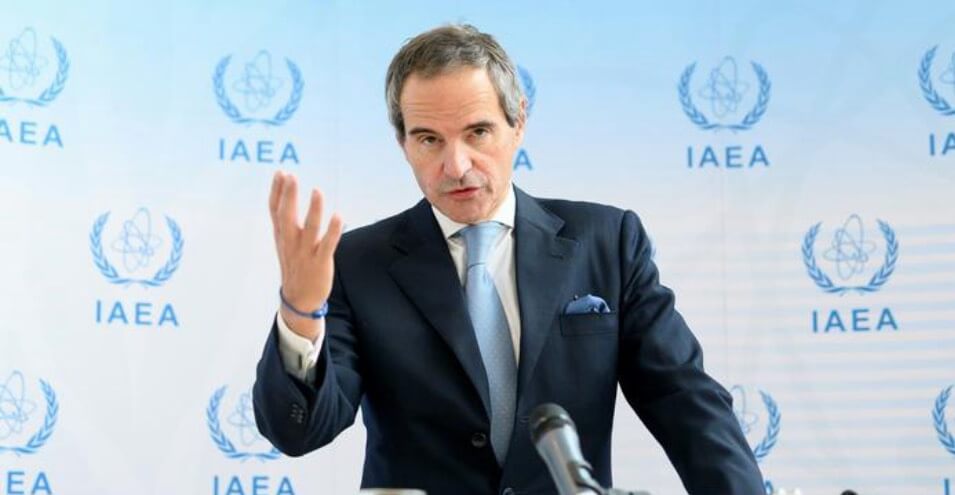
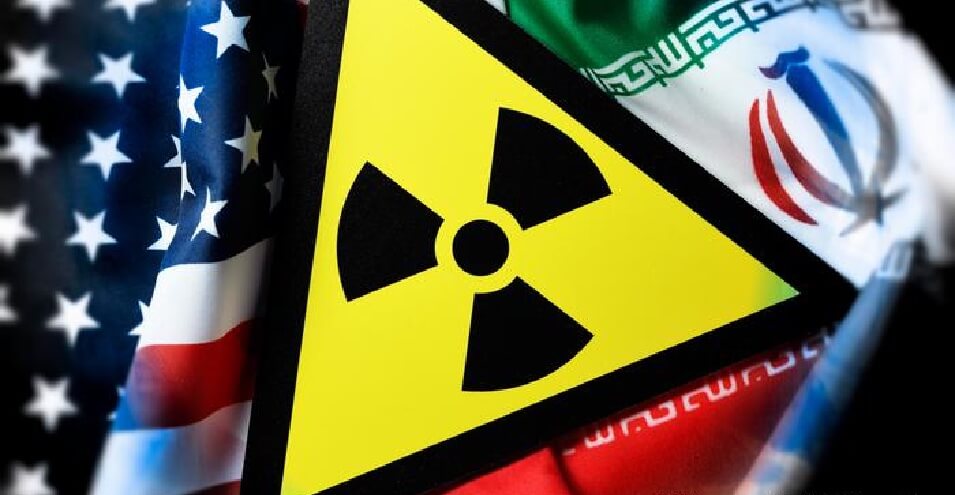
The International Atomic Energy Agency wrote in its quarterly report on Iran's nuclear activities that the country has neither allowed its inspectors access to two nuclear facilities nor provided clear answers to the agency's questions.
According to Reuters, the International Atomic Energy Agency (IAEA) said in its quarterly report on Iran's nuclear activities published on Tuesday (March 3) that the Islamic Republic of Iran has refused to grant inspectors access to two facilities. The report also said that Iran has not cooperated with the agency's officials and has not given "clear answers" to their questions about nuclear materials.
This is the agency's first quarterly report since the new head of the organization, Rafael Grossi, took office. It is also the agency's first report since the Islamic Republic withdrew from its JCPOA commitments.
The head of the International Atomic Energy Agency has urged Iran to resume cooperation with the agency as soon as possible and allow inspectors to enter the sites. Reuters reported that Iran has accelerated its move away from its commitments under the nuclear deal. The International Atomic Energy Agency said in a report provided to Reuters that Iran currently has 1,020 kilograms of enriched uranium, which is almost three times the stockpile it had in November last year.
The agency has also warned Iran against any action that would contravene its commitments. The agency's director general, speaking to AFP, even warned that he would sound the "alarm bell." He has demanded that Iran explain the site near Tehran where uranium particles were last found.
The Agency’s inspectors visited the Torqozabad warehouse in February last year. The existence of this facility had also not been reported to the Agency. The Islamic Republic claims that there was a carpet washing facility at the site.
Before meeting with French President Emmanuel Macron, Grossi said that “Iran must cooperate more transparently with the IAEA.” The IAEA will publish another report on Iran’s nuclear program next week that will address these issues.
Iranian version of the International Atomic Energy Agency report
At the same time, Tasnim news agency reported that Kazem Gharibabadi, Iran's ambassador and permanent representative to the Vienna-based International Atomic Energy Agency, said: "The report reaffirms that the Agency's verification activities regarding the JCPOA have been ongoing since January 16, 2016."
He added: "The report also adds that Iran's activities related to UF6 enrichment at Fordow have continued and that Iran's enrichment level is up to four and a half percent."
According to Kazem Gharibabadi, "The Agency's report also acknowledges that Iran has installed new centrifuges as declared," and "Iran continues to voluntarily and provisionally implement the Additional Protocol, and verification of the non-diversion of declared materials and activities in Iran continues."
In 2015, Iran and the P5+1 countries (the United States, Russia, China, France, Britain, and Germany) reached a historic agreement to limit Iran's nuclear activities after years of negotiations. With the arrival of Donald Trump in the White House in 2017, the prospects for the continuation of the JCPOA became bleak. The United States finally withdrew from the JCPOA in 2018 and imposed extensive sanctions on Iran.
The Islamic Republic began the first phase of reducing its nuclear commitments on May 8, the first anniversary of the US withdrawal from the JCPOA. In this step, it was announced that Iran would stop selling enriched uranium and heavy water. Two months later, the second step was taken, and the Iranian government announced that it would exceed the 3.67 percent uranium enrichment limit set in the JCPOA.
The third step of reducing JCPOA commitments also began on September 5. In this stage, the Islamic Republic also abandoned the restrictions set forth in the JCPOA and began research and development on various types of centrifuges and new centrifuges.
The Islamic Republic has repeatedly called on the remaining members of the JCPOA, especially European countries, to fulfill their “banking and oil commitments” to Tehran and to take “practical steps” to facilitate banking transactions and the sale of Iranian oil. Iranian officials had threatened that otherwise, the Islamic Republic would take its fourth step in reducing its nuclear commitments. This step was taken on November 5 of this year. In January of this year, the Islamic Republic of Iran officially announced that it would no longer adhere to the restrictions and obligations foreseen in the nuclear agreement regarding the level of uranium enrichment and the level of its reserves.
Source: DW