A study: The population below the poverty line in Iran has doubled in three years
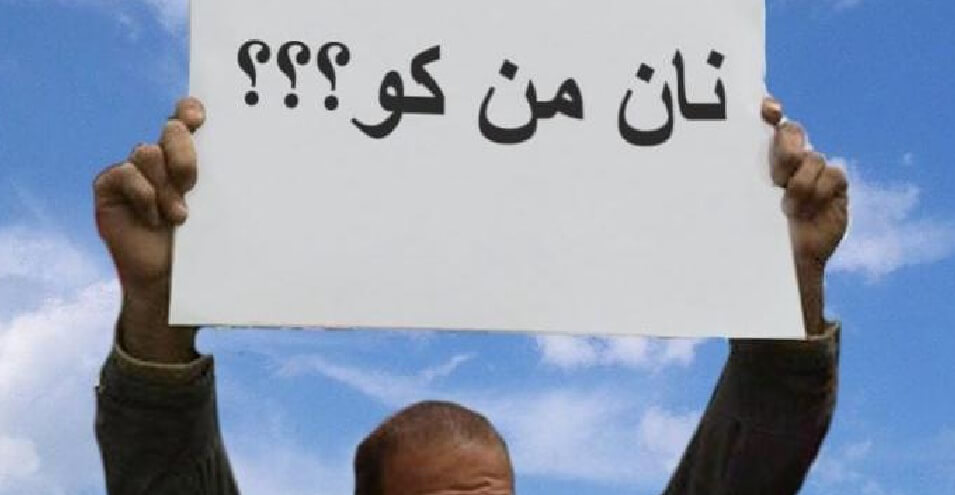
An economic expert, referring to the sharp increase in poverty in Iran in a short period, says that a quarter of the population lives in marginalized areas. The deputy minister of labor recently predicted that the population at risk of poverty in Iran will reach 30 million by the end of this year.
Farshad Momeni, head of the Institute for the Study of Religion and Economics, warns that the rapid increase in the population below the poverty line in Iran has reached a "shocking" stage, citing recent research.
ISNA news agency reported on Monday, November 10 that this economics professor at Allameh Tabatabaei University, in a meeting with managers and some researchers at the Higher Institute for Social Security Research, referred to the institute's report on the "undesirable situation of poverty in villages" and stated that the situation in rural areas is worse than in urban areas in this respect.
He added: "It is said that every poverty-inducing policy that is put on the agenda may initially have no effect on the residents and on the rural community, but its results show that the rural community is more vulnerable to these policies."
Poverty and worrying desertification of villages
Momeni says that in the past decade, we have witnessed the rural CPI index surpassing the urban one more than five times, and if this had happened anywhere in the world, they would have been concerned because this index indicates issues that "undermine the foundation of national security and make development impossible."
The Consumer Price Index (CPI) represents changes in the prices of consumer goods and services purchased in a household's shopping basket, which, by taking into account other components such as salary increases, can provide a picture of the living conditions of citizens.
A professor at the Faculty of Economics at Tabatabaei University called the increase in uninhabited villages worrying and said that during the wave of land reforms in the previous regime, only the rural population and active workforce migrated, and their bond and empathy with the village did not disappear, but now we are facing "the phenomenon of the complete evacuation of villages."
30 million Iranians in absolute poverty
According to ISNA, Momeni said in another part of his speech: "The results of research, especially the study by the Higher Research Institute, show that in the three-year period from 1996 to 2009, the population below the poverty line more than doubled, and this requires serious discussions and it must be examined what factors caused this shock!"
On October 20, the Deputy Minister of Welfare of the Ministry of Cooperatives, Labor and Social Welfare, citing this research, announced that by the end of last year, 26 million Iranians were living in absolute poverty.
The deputy ministry says that due to rising prices, the lack of a proportionate increase in wages, and unemployment of about 2 million people due to the coronavirus pandemic, it is estimated that the population below the absolute poverty line will increase to 30 million by the end of the year.
A quarter of the population lives in slums.
The head of the Institute for the Study of Religion and Economics stated that Iranian society has become very vulnerable in various aspects, adding that one of these aspects is marginalization, and currently the amount of the marginalized population is exceeding 25 percent of the country's total population.
Environmental crises, often exacerbated by mismanagement and inefficiency of those responsible for their consequences, unemployment, poverty, and sharply rising rents are among the factors that are constantly driving more and more people to the outskirts of cities.
Numerous reports have been published about the increase in poverty in recent years, and their repetition in a short period of time makes it even more clear that the situation is critical and the livelihood situation of a large portion of citizens is deteriorating.
The Deputy Minister of Social Affairs and Crime Prevention of the Tehran Justice Department recently announced an increase in littering in the capital, saying that at least 4,500 children, adolescents, and adults are engaged in this work.
The rate of poverty growth is unprecedented in the last century.
Meanwhile, officials from the Waste Management Organization report a significant decrease in wet waste in the first six months of this year, and some experts attribute the reason to the decrease in purchasing power and food consumption.
Farshad Momeni believes that this type of population jump below the poverty line is unprecedented in Iran's more than 100-year history, and for this reason, it needs to be addressed from dozens of angles.
The Ministry of Labor recently published a report according to which, over the past decade, meat and rice consumption has halved on average, and dairy consumption has also decreased significantly.
According to a report by the Statistical Center of Iran, point-to-point inflation in October of this year was slightly more than 39 percent, and the prices of some foods such as rice, chicken, fish, and red meat have increased by nearly 50 percent compared to the same month last year.
Source: DW