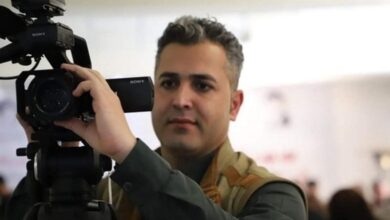
503 journalists imprisoned, a new record for global repression
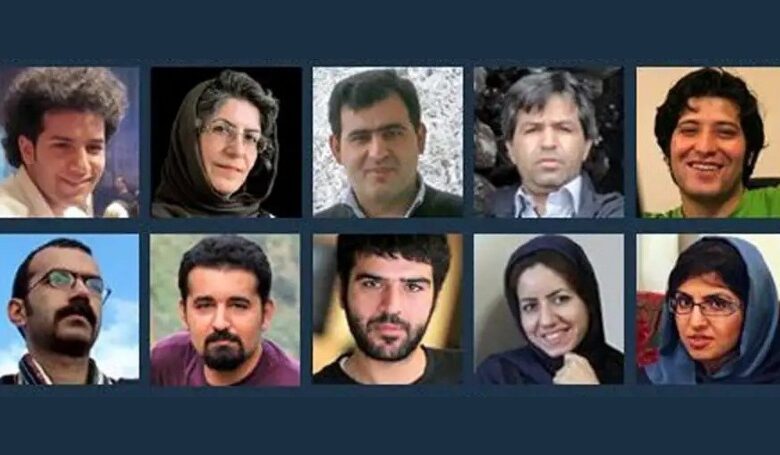
In RSF's annual report, the statistics of 503 imprisoned journalists and dozens killed or missing paint a stark picture of the spread of global repression against the media.
According to the latest report by Reporters Without Borders (RSF), as of December 1, 2025, a total of 503 journalists were imprisoned worldwide, a figure that is almost the same as last year.
China, with 121 journalists imprisoned, remains in first place as the “world’s largest prison for journalists.” After China, countries such as Russia, Myanmar, Belarus and Iran are among the top ten countries. Instability and terror against the media also do not end in prison. The RSF report shows that 67 journalists have lost their lives in the past 12 months.
Of these, almost half of the victims were in the war-torn Gaza Strip, followed by Mexico with nine deaths.
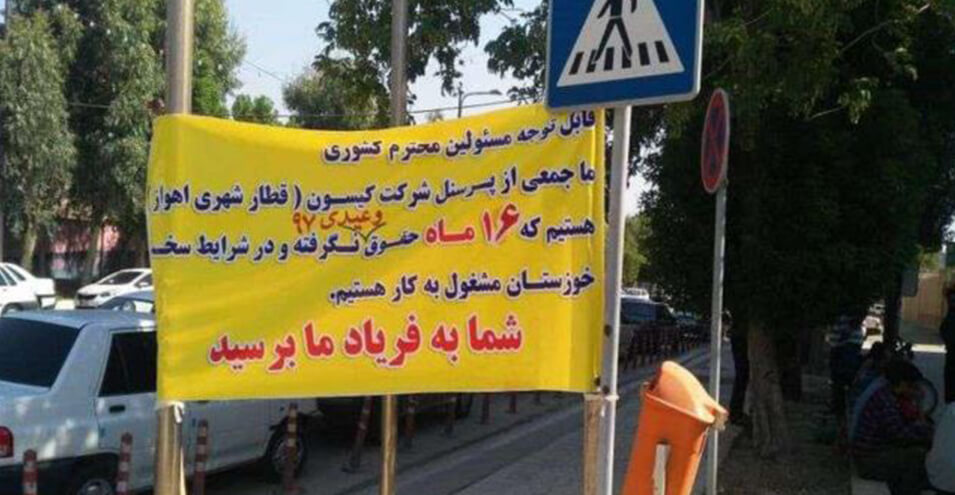
Iran is among the countries with the highest number of imprisoned journalists, with 21 journalists in prison, according to RSF's annual report. The organization also warned that the press freedom situation in Iran is very poor on a global scale. In the latest press freedom index, Iran ranks very low among 180 countries.
Reporters Without Borders has emphasized that the pressure, arrests, and threats against journalists in Iran, especially after widespread protests, represent an attempt to silence independent voices.
In addition to those imprisoned and killed, 135 media workers in 37 countries have gone missing, some for more than three decades. Twenty journalists have also been taken hostage, particularly in war zones or under the control of armed groups.
Countries like Syria and Yemen have the highest number of missing and hostages; many of these journalists have not been found even after years.
RSF says 2025 was one of the “most dangerous years for journalists” – not just because of war and conflict, but also because of widespread crackdowns on independent media in various countries. According to the report, governments and militias have used the pretext of security and militarism to target journalists or take them hostage, violating the people’s right to free access to information.
In the Middle East region, the crackdown on media freedom continues, with serious violations of journalists' rights, particularly in countries embroiled in war or political repression.
Anya Oosterhaus, executive director of Reporters Without Borders, expressed deep concern and said, "When those who produce critical reports have to fear for their freedom or even their lives, democracy around the world is at risk."
The report warns that international silence in the face of such repression could lead to the discrediting of the principles of freedom of expression and the press.