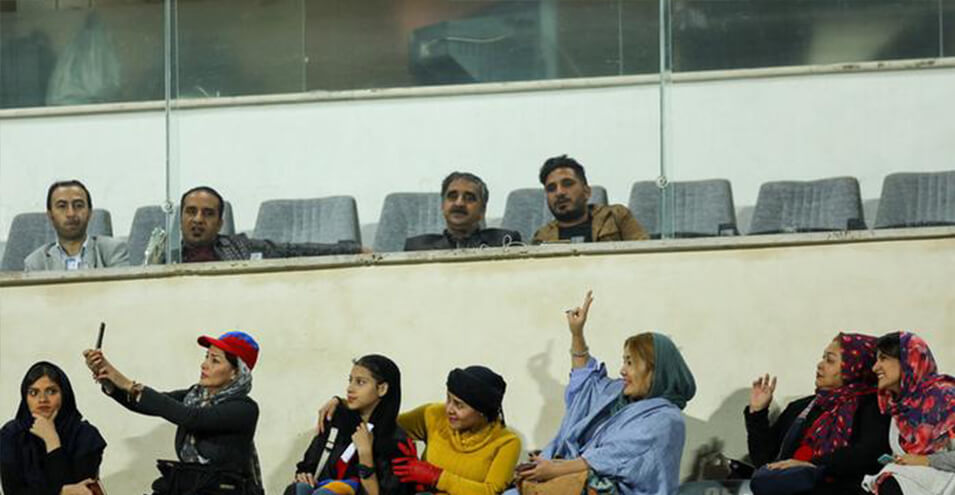
96,000 classrooms in Iran need to be retrofitted
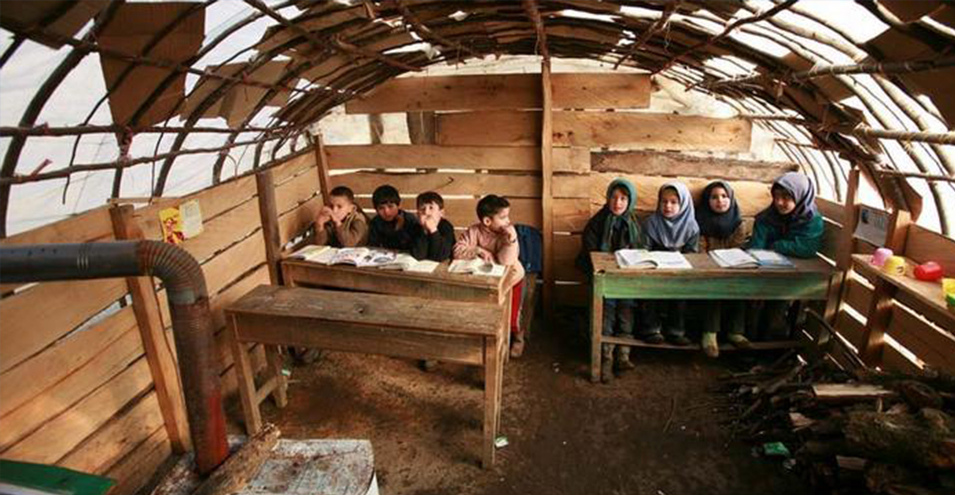
According to the head of the School Renovation Organization, the Ministry of Education does not have enough funds to retrofit dilapidated schools. The project to retrofit substandard schools began a decade ago, but has not been very successful due to a lack of funds.
The lack of educational space and the substandard nature of many classrooms in Iran are a problem that even officials admit. Renovating and retrofitting substandard schools, given the trend in recent years, seems like a project doomed to failure.
Mohammad Taghi Nazarpour, head of the School Renovation, Development and Equipment Organization, says that if we consider the standard educational space for each student to be about five and two-tenths of a square meter, 11 provinces of Iran do not reach this average.
One-third of schools are substandard
The organization's former head, Morteza Raisi, said on November 1, 2018, that one-third of Iranian schools are substandard, and in some provinces, such as Alborz, half of schools operate in two shifts due to a lack of educational space. He also reported that there are 700 brick and stone classrooms in Iran.
The current head of the Renovation Organization told ILNA news agency on Sunday, October 6: "There are provinces that only have four square meters of space per student, and we need to build about 34,000 classrooms so that the average per capita education in these provinces reaches that of other provinces, and for this we need six trillion tomans of credit."
In this year's proposed budget bill, the total budget for the Ministry of Education was proposed to be 32 trillion tomans, which was later increased to 37 trillion tomans.
According to the details of the budget bill, almost all of the credit allocated to the Ministry of Education will be spent on current expenses and salaries of the ministry's employees.
Mohammad Taqi Nazarpour told ILNA: "The implementation of the plan to demolish and reconstruct substandard schools and to reinforce schools without reinforcement began in 2006, and to implement it, 132,000 classrooms had to be demolished and reconstructed, of which about 64,000 classrooms have been renovated, meaning 49 percent of this plan has been implemented to date, and about 62,000 classrooms need renovation."
The endless cycle of resilience
The head of the School Renovation and Development Organization added: "Measures have been taken to retrofit classrooms since 2006, based on studies that 126,000 classrooms needed to be retrofitted, and in these years, 30,000 classrooms have been retrofitted, and the rest need to be validated."
With this calculation, nearly one hundred thousand classrooms still need to be retrofitted, and at the rate that has been going on for the past decade, their standardization will take more than three decades.
Mohammad Gharazi, the then head of the Engineering System Council in 2009, had said that the useful life of buildings in Iran is between 25 and 35 years, and about one-eighth the useful life of buildings in advanced countries. Accordingly, by the time the renovation work of the identified non-resistant classrooms is completed, thousands of schools will have become non-resistant, and this cycle will continue.
Although budget shortages have always been the number one problem in education in Iran, mismanagement also plays a significant role in the critical situation in this field.
Neglect to build a school in Maskan Mehr
The Deputy Minister of Education and Head of the Renovation Organization for the Second Month of Ordibehesht this year told reporters on the sidelines of a ceremony commemorating the status of teacher in Gonbad Kavous that Iran is facing a shortage of 52,000 classrooms, and "of this number, 25,000 classrooms were needed in the Mehr housing projects, which were not taken into account during construction."
According to ILNA, Mohammad Taghi Nazarpour had expressed hope that by October of this year, 7,000 classrooms would be built in the settlements known as "Mehr Housing" where schools have been neglected. Even if this plan is realized, Mehr Housing residential units will still lack 18,000 classrooms.
As Nazarpour has said, there are currently 107,000 schools with 530,000 classrooms in Iran, and 108,000 classrooms have been built by "school builders" since 2003. In other words, almost a fifth of the classrooms were built without government intervention, and it is unclear what the educational environment in Iran would have been like without the help of "school builders."
Source: DW