Silencing Opponents’ Voices Through Gallows, Bullets and Prison by the Islamic Republic
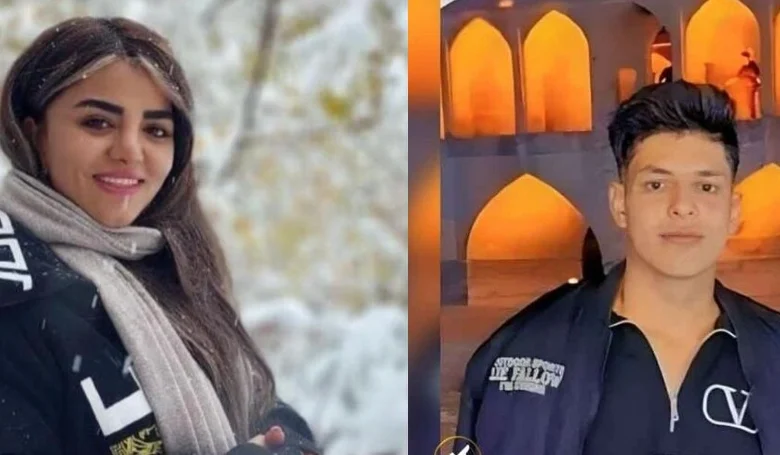
While the Islamic Republic has once again launched a wave of arrests, executions and bloody crackdowns in various Iranian cities, two new cases from Isfahan present a shocking picture of the government’s treatment of protesting citizens; “Nima Araban” who has been held for months in legal limbo under the shadow of execution, and “Faizeh Afshari” who, according to human rights sources, was killed by direct fire from government forces merely for celebrating in the street.
Reports published by the human rights organization “Hengaw” show that the Islamic Republic, in its continued policy of suppressing opponents, has targeted not only political activists but also ordinary citizens to deadly violence; a policy that, according to human rights organizations, includes psychological torture of children to direct fire on civilians.
One of these cases concerns Nima Araban, a 17-year-old teenager from Naein in Isfahan, who since his arrest during December 2025 protests has been held without a determined legal status at the Isfahan Reformation and Training Center. Concerns about his fate intensified significantly after the execution of “Abbas Akbari Faizabadi,” his co-defendant.
Based on available information, the teenager’s family is concerned that the Islamic Republic’s judiciary is deliberately delaying the case proceedings until he reaches the age of 18 to create grounds for issuing harsher sentences. Human rights activists say keeping a child in legal limbo, especially in a security case and under the threat of execution, is a clear example of psychological torture.
These concerns are being raised at a time when international organizations have repeatedly warned over recent months about increased executions and security crackdowns in Iran. Reports published by Hengaw, Amnesty International and European media indicate that the Islamic Republic has accelerated the process of issuing and carrying out execution sentences following the new wave of protests.
Meanwhile, the case of Faizeh Afshari, a 30-year-old woman from Semirom, has once again highlighted the issue of government forces using deadly violence against citizens. According to reports published by human rights media, on the evening of March 1, 2025, while she had gone to the Baharestan area of Isfahan to obtain medication for her mother who had cancer, she was directly shot at in the midst of chaos resulting from street gatherings and people celebrating the death of Ali Khamenei.
A source familiar with the incident said: “Government armed forces surrounded the vehicle and broke the car’s rear window, and one government officer placed his gun directly to Faizeh Afshari’s temple and opened fire.” According to this account, she died in her brother’s arms.
Critics of the Islamic Republic say this type of treatment shows that the Iranian government views any different voice or even any unwanted presence in the street as a security threat; an approach that in recent years has repeatedly led to the killing of protesters, teenagers and passersby.
Human rights organizations have also warned that the Islamic Republic, in security cases particularly against children and teenagers, violates its international commitments including the provisions of the Convention on the Rights of the Child. According to this convention, individuals under 18 years of age should receive special judicial protections, but reports show these principles are ignored in many political cases in Iran.
The cases of Nima Araban and Faizeh Afshari are only two examples of dozens of reports published from Iran in recent months; reports that present a picture of a government that, according to its critics, pursues its own survival not through accountability and reform, but through imprisonment, bullets and instilling fear and terror.