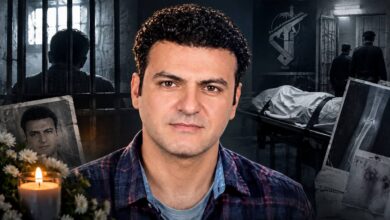
Death Sentence Issued for Medical Student Sepehr Amerzadeh on Charges of Assisting Protesters
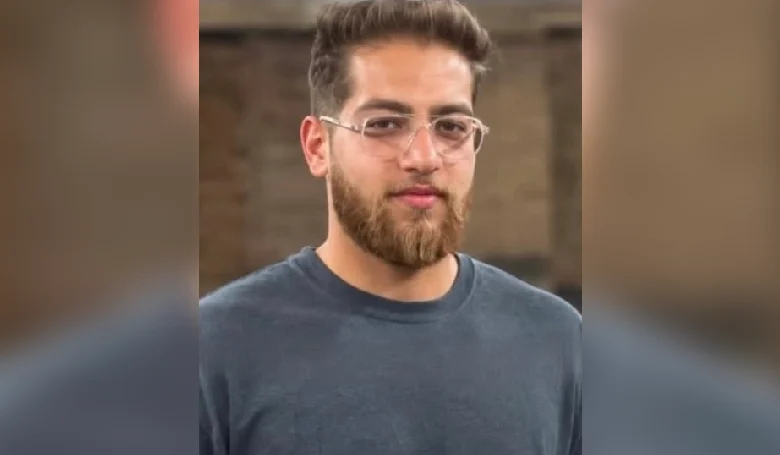
Sepehr Amerzadeh, a 22-year-old medical student, has been sentenced to death following his arrest in the wake of protests in December 2024. According to human rights sources, he provided medical assistance to the wounded during the protests. This case has renewed concerns about the crackdown on protesters and individuals who have assisted those injured in the demonstrations.
Sepehr Amerzadeh, a medical student born in 2003, is among the political prisoners whose name has surfaced in recent weeks in reports concerning a new wave of death sentences in Iran. Published reports identify him as a student from Ramhormoz who was living and studying in Isfahan and was arrested following the nationwide protests in December 2024. Various sources have indicated his arrest date as December 23, 2024.
According to human rights reports, Amerzadeh provided medical and emergency assistance to a number of the wounded during the protests. Iran News Update has also reported that he was sentenced to death after providing medical aid to injured protesters during the Isfahan demonstrations. This source further reported pressure from security agencies on his family to remain silent about the case.
Meanwhile, the “Tuesdays Against Execution” campaign issued a statement on July 28, 2026, listing Sepehr Amerzadeh among political prisoners who have recently received death sentences. The statement included the names of Isa Chari, Amirhasan Akbari-Manfared, Sepehr Amerzadeh, Akbar Arabzadeh, and Mehdi Arabzadeh among those condemned to death.
The significance of Amerzadeh’s case extends beyond the fate of a single young student. What makes this case more troubling is the claim by human rights sources of a connection between his humanitarian activities and the security and judicial action against him. If verified, these reports present a deeply concerning picture in which even providing aid to an injured person during protests can expose an individual to arrest, trial, and severe punishment, including death.
This development is being reported as the wave of death sentences for those arrested in the December 2024 protests has increased in recent months. The “Tuesdays Against Execution” campaign announced in late July that at least 303 people have been executed since the beginning of 2026 in the Persian calendar and warned of death sentences being issued against political prisoners. These figures represent claims by this campaign and have not been independently verified by official bodies within Iran.
Simultaneously, the issue of death sentences in cases related to the Isfahan protests has drawn international attention. Published reports cite warnings from the United Nations Fact-Finding Mission regarding death sentences in the case concerning the “Alkhani Square” in Isfahan. The European Union has also sanctioned five Iranian judges who played a role in issuing death sentences and heavy punishments.
Nevertheless, significant questions remain unanswered regarding Sepehr Amerzadeh’s case: What are the formal charges contained in the verdict? What specific action did the court deem worthy of a death sentence? What evidence was presented against him, and did he have access to a lawyer of his choosing and the means for an effective defense?
At the time of publication, the full text of the court ruling or an official explanation from the Islamic Republic’s judicial system regarding Amerzadeh’s case was not available in the sources reviewed. Therefore, the claim that “providing medical assistance” alone was his formal charge requires caution. What can currently be stated based on available sources is that several human rights organizations have drawn a connection between his assistance to the wounded protesters and the judicial case that resulted in a death sentence.
Sepehr Amerzadeh’s case fits into a larger picture of the crackdown following the December protests—a picture in which security measures are not limited to street protesters alone, and reports indicate the arrest and trial of individuals who assisted those injured in the demonstrations. Under such circumstances, the use of capital punishment in political cases has raised serious concerns about the right to life, fair trial, and the use of the death penalty as a tool to instill fear in society.
From a human rights perspective, the fundamental question is not how much force a government is capable of wielding, but whether political power can sacrifice human lives and the most basic rights of people to preserve itself. The armed suppression of protests followed by severe judicial sentences against the arrested, if carried out without transparency regarding charges and guarantees of fair trial, would be evidence not of the rule of law but of the conversion of law and the judicial system into an instrument for the preservation of power.
In the case of Sepehr Amerzadeh, the most pressing demand now is transparency about his case, the publication of judicial documents, ensuring his access to a lawyer, and a halt to the execution of the death sentence until all aspects of the case are clarified. The life of a young student cannot be sealed behind the closed doors of security courts and handed over to a predetermined fate without transparent disclosure of the reasons for issuing a death sentence.