Seven Years and Seven Months Prison Sentence for “Javad and Fatemeh Safari,” a Retired Couple
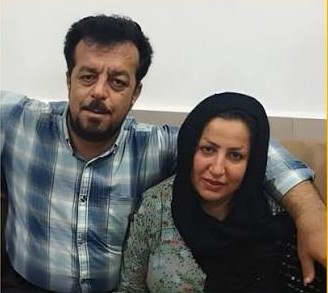
Approximately nine months after December protests, suppression and judicial action against protesters continues; Javad Safari, a 59-year-old retired teacher, and his wife Fatemeh Safari, have been sentenced to a combined seven years and seven months imprisonment and a fine of 32 million tomans; a case that demonstrates the continuation of judicial pressure on protesters, months after street protests ended.
Javad Safari, a 59-year-old retired teacher and a victim of the eight-year Iran-Iraq War, has been sentenced to five years imprisonment and a fine of 32 million tomans according to the issued verdict. According to a report from the Coordination Council of Iran’s Educational Syndicates, the charges against him were listed as “insulting Khamenei” and “inciting youth to protest.”
Javad Safari was arrested on Bahman 2 in connection with the December 1404 protests and transferred to Safariabad Prison in Zanjan. Published reports on this case indicate that he was denied access to a lawyer during judicial proceedings.
His wife, Fatemeh Safari, was arrested simultaneously with him and released after approximately 20 days. However, judicial proceedings against her continued, and she was ultimately sentenced to two years and seven months imprisonment. Fatemeh Safari is currently under house arrest with an electronic monitor.
Hengaw had previously reported that Javad and Fatemeh Safari were arrested during the wave of arrests related to December protests in the Tarom region. The human rights organization reported the couple’s arrest and transfer to Zanjan Prison in February 2026. Published reports on this case show that the arrest of these two citizens was not the end of proceedings against them, and after Fatemeh Safari’s release, judicial proceedings continued.
Although the December 1404 protests have ended on the streets, the judicial consequences for many arrested during that period continue. The case of Javad and Fatemeh Safari exemplifies this process; a couple arrested, facing judicial proceedings, and now collectively facing more than seven years in prison.
The continuation of such sentences approximately nine months after the protests raises the question of how long security and judicial action against protesters will continue and what will be the fate of other detainees whose cases have not yet been resolved.
Regarding Javad Safari, the announced charges included “insulting Khamenei” and “inciting youth to protest.” The issuance of a five-year prison sentence and a fine for a retired teacher based on such charges once again brings the issue of judicial action against political expression and citizens’ protest activities to the center of attention.
Javad Safari’s denial of access to a lawyer during proceedings is also among the matters raised in reports related to this case. Fatemeh Safari, who was released after approximately 20 days of detention, but her release did not mean the case was closed.
She was subsequently sentenced to two years and seven months imprisonment and is now under house arrest with an electronic monitor; a situation that demonstrates that the judicial consequences of the protests can continue long after protesters leave the streets.
In total, the sentences issued against this couple amount to seven years and seven months imprisonment and a fine of 32 million tomans.
The case of Javad and Fatemeh Safari resulted in a verdict under circumstances in which human rights reports continue to report arrests and judicial persecution of citizens in connection with the December protests.
This process demonstrates that the suppression of protests has not been limited to the days of people’s presence on the streets, and months later continues in the form of arrests, filing cases, trials, and issuance of prison sentences.
For Javad and Fatemeh Safari, the December protests have now transformed into a judicial case that will affect more than seven years of their lives; another example of the continued action against protesters, even approximately nine months after the protests.