Thirtieth International Day of Prayer for Persecuted Church
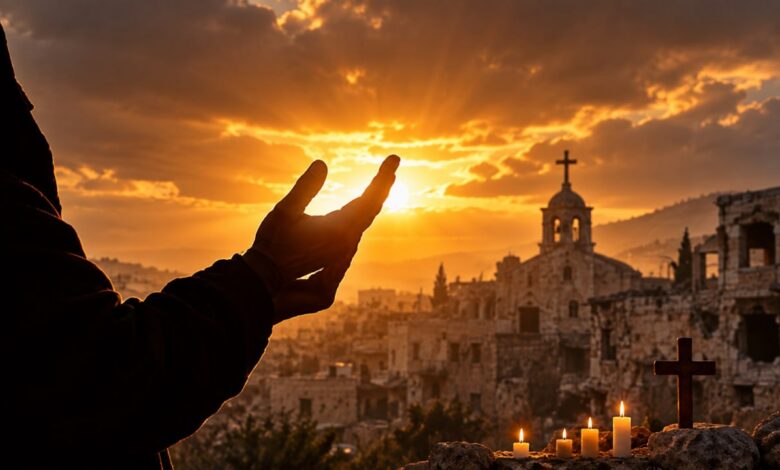
Christians in various countries around the world gathered on Sunday, November 1, 2026, coinciding with the thirtieth anniversary of the formal launch of the “International Day of Prayer for the Persecuted Church” (IDOP), to pray for Christians who face violence, discrimination, detention, and religious restrictions due to their faith. In this year’s programs, the situation of Christians in the Middle East, particularly in Syria, received special attention—a subject that once again highlighted the necessity of solidarity and practical support for affected Christian communities.
The International Day of Prayer for the Persecuted Church is an international initiative that calls churches and Christians at different points around the world to prayer and to declare solidarity with believers who face persecution and threats because of their allegiance to Jesus Christ. This occasion was held this year on Sunday, November 1, and some churches also chose Sunday, November 8, to participate in the program.
According to the official website of this occasion, the theme for 2026 is “Do You Know Our Suffering?”—a slogan that emphasizes listening to the voices of persecuted Christians and remembering their suffering and living conditions. This call is not limited merely to holding prayer services; it asks churches to stand alongside communities under pressure by more deeply understanding their circumstances and to take action in support of religious freedom and their fundamental rights.
The international organization “Open Doors” has drawn churches’ attention to the situation of Christians in Syria through special resources for the International Day of Prayer in 2026. The organization has pointed to the consequences of a deadly attack on a church and the physical and psychological wounds it has left behind, and has asked churches worldwide to pray for Christians who are struggling to rebuild their lives and communities.
The importance of this focus lies in circumstances where Christian communities in Syria have faced widespread migration, insecurity, and vulnerability during years of war, instability, and violence. For many of these communities, continuing to be present in their historic lands and preserving churches and religious communities remains fraught with serious difficulties.
According to the 2026 global persecution index published by Open Doors, more than 388 million Christians worldwide face high levels of persecution and discrimination because of their faith. This figure represents an increase of approximately eight million from last year’s statistics.
The report also documents the killing of 4,849 Christians worldwide because of their Christian identity during the period reviewed. This statistic shows that Christian persecution is not limited solely to legal or social restrictions and in some areas involves deadly violence, threats, displacement, and attacks on religious communities.
The International Day of Prayer for the Persecuted Church, in addition to prayer gatherings, is an opportunity to raise public awareness about the situation of Christians in different countries and to encourage churches to provide ongoing support for them.
The organizers of this occasion and institutions active in the field of religious freedom emphasize that solidarity with persecuted Christians should not be limited to a single day on the church calendar. Supporting affected families, aiding the reconstruction of religious communities, advocating for freedom of religion and conscience, raising awareness about violations of Christians’ rights, and following up on the situation of prisoners of conscience are among the actions that can be pursued alongside prayer.
The World Evangelical Alliance (WEA), in introducing this occasion, has emphasized this biblical principle that the church is one body and the suffering of one member is the suffering of all members. It is stated in 1 Corinthians 12:26: “If one member suffers, all the members suffer with it.”
The roots of the International Day of Prayer for the Persecuted Church trace back to events in Iran in 1994. In January of that year, Bishop Haik Hovsepian-Mehr, a prominent leader of evangelical churches in Iran, was killed after extensive efforts to defend Pastor Mehdi Dibaj, who had been sentenced to death on charges of apostasy.
Following this event and widespread concerns about the situation of Christians in Iran, the Commission on Religious Freedom of the World Evangelical Alliance issued an urgent call for prayer regarding Iran. The reception of this call by churches and Christians in various countries created the foundation for the formation of a global occasion.
In 1996, the World Evangelical Alliance (which was then known by its former name, the World Association of Evangelical Alliances) officially launched the International Day of Prayer for the Persecuted Church. According to the history published on the official website of this occasion, more than 100 countries participated in its first year of observance.
Now, three decades after that call that began with a remembrance of the suffering of Christians in Iran, this occasion has become a global event; an event aimed at keeping alive the memory of persecuted Christians and preventing the world from forgetting their suffering in various parts of the globe.
The thirtieth anniversary of the International Day of Prayer for the Persecuted Church again reminds us of the reality that Christians in many parts of the world continue to face threats and deprivation because of their faith. Prayer for them, in the view of the organizers of this occasion, expresses the bond and solidarity of members of the global church; but this solidarity achieves fuller meaning when accompanied by awareness-raising, advocacy for religious freedom, and practical support for those who have been harmed.
The message of this day is that the suffering of persecuted Christians must not remain in silence and oblivion, and the global church is responsible for hearing the voices of its brothers and sisters and standing alongside them.