Warning Over Accelerating Erosion of Cyrus’ Mausoleum
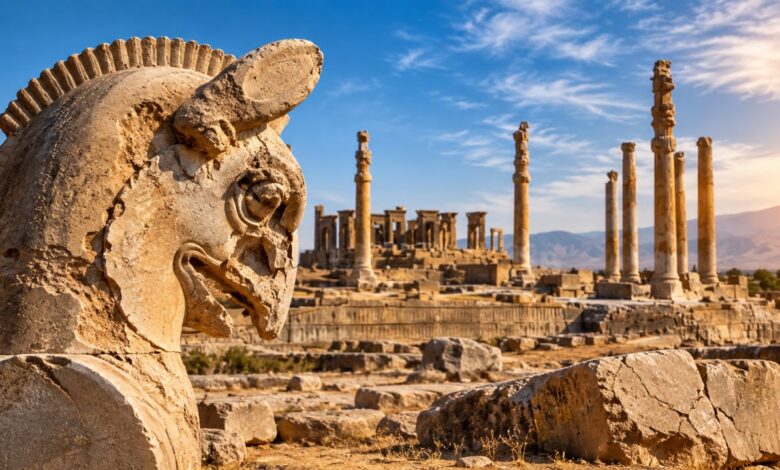
The director of the Pasargadae World Heritage Site has reported an acceleration in the erosion of the stone structures of the Mausoleum of Cyrus the Great and other Achaemenid buildings, stating that the rate of deterioration of the stone monuments in this complex has outpaced protective measures. This warning comes as UNESCO documents show that many of the threats to Pasargadae, including stone erosion, flood risk, and pressure from agricultural activities, had been identified at least over two decades ago.
Abdolreza Nasiri-Asl, director of the Pasargadae World Heritage Site, stated in an interview with the “Voice of Heritage” website that the process of gradual disintegration of the stones in the Achaemenid buildings has intensified due to temperature fluctuations, rainfall, humidity, and freezing. According to him, the rate of erosion of stone monuments now exceeds the pace of protective measures.
According to the Pasargadae site director, the limestone used in the buildings of this complex absorbs moisture. When water penetrates the cracks and pores of the stone and freezes during winter, its volume increases and exerts pressure on the walls of the cracks. The repetition of this cycle over years can lead to the expansion of cracks, separation of stone fragments, and gradual deterioration of the building’s surface.
Nasiri-Asl also reported the presence of holes and damaged sections in the body of Cyrus’ Mausoleum, stating that some repairs conducted in the past have not been satisfactory. In certain parts of the structure, particularly at the junction of stone blocks, holes have been filled with stone fragments, but this method has not been able to completely resolve the problem.
According to the Voice of Heritage report, the use of materials such as fiberglass and resin to fill holes and repair damaged sections is among the methods currently being examined. However, the selection of materials and restoration methods for a building with such historical value must be based on specialized studies and in compliance with the principles of preserving the authenticity of the artifact.
Erosion is not limited to Cyrus’ Mausoleum. The remains of Achaemenid palaces, columns, column bases, and other stone structures of the complex are also exposed to natural and environmental factors.
Some of these artifacts have been buried underground for centuries and, after archaeological excavations, have been exposed directly to sunlight, wind, rain, and winter cold. As a result, the stones that were previously somewhat protected from severe environmental fluctuations are now more vulnerable to erosive factors.
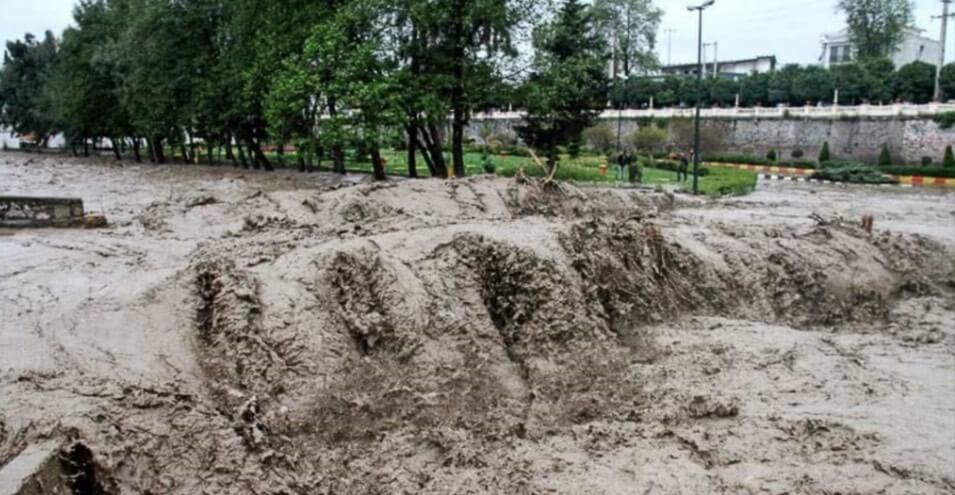
Water accumulation around the structures is also another problem in this complex. According to the director of the Pasargadae site, some of the water diversion and drainage channels in the area of the Achaemenid palaces and the royal garden need to be improved. The retention of water around the structures and moisture penetration into the stone cracks, especially in winter, can intensify the erosion process.
One of the important points in reports related to Pasargadae is the long history of identifying these threats. Based on documents published on the official website of UNESCO’s World Heritage Center, the Pasargadae management plan was prepared in 2003, and in it, a set of factors threatening historical monuments was identified.
These documents referred to erosion caused by wind, intense solar radiation, temperature changes, freezing, the growth of biological agents on stones, damage from certain human interventions, and the consequences of inappropriate repairs.
Additionally, flood risk, the expansion of agricultural activities, and the development of surrounding villages have been counted among the pressures that can affect the integrity and authenticity of this world heritage site.
In the Pasargadae management plan, the risk of water accumulation and the vulnerability of certain parts of the complex to flooding have also been considered. Reports related to this plan discuss the redirection of surface water and concerns about the possibility of flood water flowing toward the mausoleum area. Therefore, the issue of water and the management of its flow routes in Pasargadae is not a new matter.
Alongside natural factors, human activities are also among the major threats to the Pasargadae complex. Excessive extraction of groundwater resources, agricultural expansion, and land use changes in the surrounding area are among the topics that heritage and cultural experts have warned about regarding their consequences.
Land subsidence in historical areas can damage ancient structures, as changes in ground level and uneven settlement transmit varying pressures to different parts of the building. However, to determine the extent of land subsidence’s impact on Cyrus’ Mausoleum, precise ground monitoring data and technical inspections are needed, and not every crack or stone damage should be attributed to this factor without expert investigation.
The Pasargadae complex was inscribed on UNESCO’s World Heritage List in July 2004. Located in Fars Province, this complex is the first capital of the Achaemenid dynasty and a prominent memorial from the era of Cyrus the Great. Cyrus’ Mausoleum, royal palaces, the remains of royal gardens, and other historical structures form important components of this ancient complex.
UNESCO, in introducing Pasargadae, described this complex as exceptional testimony to Achaemenid civilization and one of the earliest prominent examples of Achaemenid royal architecture. This organization also emphasizes that long-term protection of Pasargadae’s universal value requires controlling erosion, reducing damage from agriculture and flooding, and preventing inappropriate interventions in the complex.
The latest warning from the director of the Pasargadae World Heritage Site once again highlights the necessity of implementing a coordinated and scientific program to protect these monuments. Continuous monitoring of the stone condition, correction of water diversion routes, investigation of subsidence risk, use of restoration methods compatible with historical materials, and transparent publication of the results of protective measures are among the actions that can play a role in reducing damage.
Cyrus’ Mausoleum and other monuments at Pasargadae are not merely remnants of Iran’s past; they are part of humanity’s shared cultural heritage. For this reason, the protection of this complex is a responsibility that transcends a single institution or administrative period and requires long-term planning, expertise, and accountability to public opinion.