A New Step in Israel’s Religious Diplomacy: Appointment of Special Envoy for Relations with the Christian World
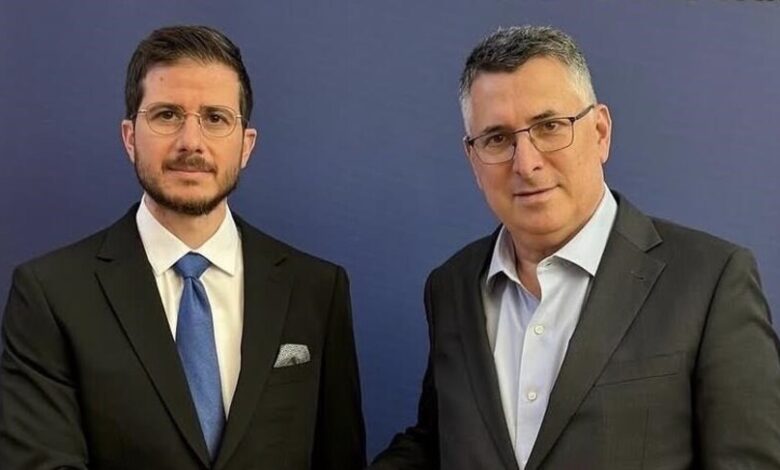
Israel’s Foreign Minister announced the appointment of the country’s special representative for relations with the Christian world, marking a new step in Israel’s religious diplomacy.
In a recent development in the field of international relations, Israel’s Ministry of Foreign Affairs has announced the appointment of “George Deek” as the country’s special envoy for relations with the Christian world; a move announced in recent days that reflects the country’s new focus on religious and cultural diplomacy.
According to reports from international media and Israeli sources, this decision was made with the aim of expanding and deepening relations with Christian communities around the world. In an official statement by Israel’s Foreign Ministry, emphasis was placed on the importance of these relations, stating: “The State of Israel attaches great importance to its relations with the Christian world and Christian friends around the globe.”
George Deek is considered an experienced diplomat at Israel’s Foreign Ministry who has previously served in positions such as Israel’s ambassador to the Republic of Azerbaijan. He is recognized as the first Arab Christian to reach the rank of ambassador to that country, a fact that has given this appointment symbolic significance as well.
Born into a Christian family in Jaffa, he has worked for years in the field of diplomacy and international relations and has now been tasked with strengthening ties between Israel and churches, institutions, and Christian leaders in various parts of the world.
International relations experts believe this appointment should be analyzed within the framework of the increasing role of religion in global politics. In recent years, many countries have sought to expand their cultural and political influence by leveraging religious ties.
In this context, Israel has also sought to strengthen its relations with Christian communities, particularly in Europe, America, and some African countries. These communities can, in some cases, influence public opinion and even government policymaking.
For many observers, particularly in Christian communities, this move could pave the way for greater interfaith dialogue and increased cultural interaction. At the same time, some analysts view it as part of the geopolitical competition in the region, in which various actors seek to gain the support of religious groups.
This appointment comes at a time when the Middle East continues to face tensions and complex developments. Therefore, it remains to be seen how much the new mission of Israel’s special envoy can help create lasting bridges of communication between the country and the Christian world, and what role it will play in shaping future equations.