Heavy Sentences Handed Down to December Protesters; From 10 Years Imprisonment for a Couple to Lashing and Exile for Kurdish Student
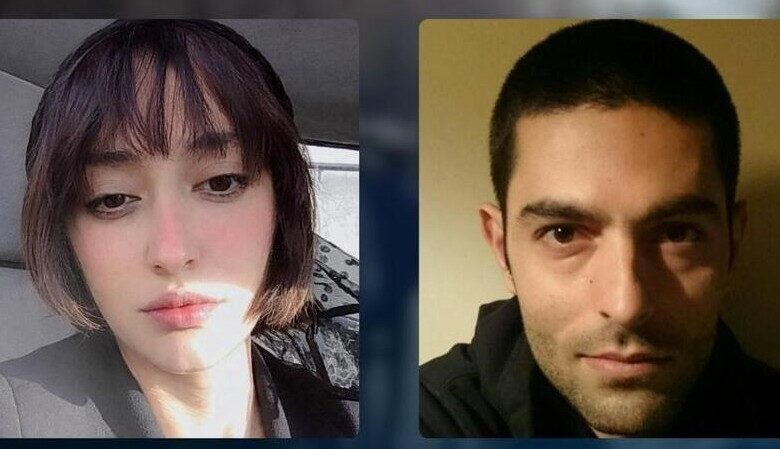
Homa Teymouri and Yaser Azadeh, a couple detained during the December 2025 protests, have been sentenced to a combined total of 10 years imprisonment, while Tara Farhangian, a 21-year-old Kurdish student from Qorveh, has been sentenced to one year imprisonment, 31 lashes, two years exile, and a fine of 120 million tomans; sentences that have once again raised concerns about the Islamic Republic’s judicial treatment of protest detainees.
In the continuation of judicial sentences against December 2025 protest detainees, Homa Teymouri and her husband Yaser Azadeh in Tehran, and Tara Farhangian, a student from Qorveh, have faced heavy judicial sentences.
According to published reports, Homa Teymouri, a master’s graduate in political philosophy from Tarbiat Modares University, has been sentenced by Branch 15 of Tehran’s Revolutionary Court, presided over by Judge Abolqasem Salwati, to five years imprisonment.
The charge against her was described as “assembly and conspiracy against national security.” In addition to imprisonment, the court imposed on Teymouri a two-year ban on leaving the country and a ban on social media activities, and also confiscated her mobile phone.
Her husband Yaser Azadeh, who holds a master’s degree in Western philosophy from Shahid Beheshti University, has also been sentenced to five years imprisonment according to a report published by “United Students.” This brings the total prison sentence for the couple to 10 years.
Earlier, Iran International had reported that Yaser Azadeh, Homa Teymouri, and “Rouhangiz Imani,” Azadeh’s mother, were arrested on February 5, 2025, at their home in Tehran and transferred to Evin Prison. Human rights reports have also documented the names of Homa Teymouri and Yaser Azadeh among the 2025 protest detainees.
In another case, Tara Farhangian, a 21-year-old student of physical education from Qorveh, has faced a series of judicial punishments.
According to a report from the Hana Human Rights Organization (an independent organization covering human rights violations in Kurdistan), Branch 102 of Qorveh Criminal Court, presided over by Judge Hadi Khani, has sentenced the student to one year of disciplinary imprisonment, 31 lashes, and two years exile. The charge in this case was described as “disruption of public peace and order.”
Hana also reported that another case against Farhangian with the charge of “assembly and conspiracy to commit crimes against internal security” was pending in Branch 1 of Qorveh’s Revolutionary Court, presided over by Judge Hossein Bigdelou, and as of the organization’s report publication, the verdict in this case had not been officially served to her.
In reports published by other human rights organizations, it was stated that in addition to the above, Qorveh’s Revolutionary Court sentenced Farhangian on charges of “propaganda against the system” and “assembly and conspiracy to commit crimes against internal security” to pay a fine of 120 million tomans to the state treasury.
According to the same report, the total punishments announced for this Kurdish student include one year imprisonment, 31 lashes, two years exile to Zabol, and a fine of 120 million tomans.
Tara Farhangian was arrested by security forces during the December 2025 protests and was released after posting bail. Hana reported her arrest date as January 8, 2026, and stated that Farhangian was released approximately three weeks later, on January 28.
The human rights organization also criticized the issuance of a lashing sentence against the young student, emphasizing that corporal punishments such as lashing contradict the prohibition of torture and cruel, inhumane, and degrading treatment or punishment under international law.
The issuance of these sentences has occurred at a time when judicial cases against December 2025 protest detainees continue in various Iranian cities.
The cases of Homa Teymouri and Yaser Azadeh in Tehran and that of Tara Farhangian in Qorveh, although differing in charges and details of sentences, share a common point: all three, following their arrest during December protests, have faced heavy judicial sentences.
Regarding Tara Farhangian, an international human rights organization has confirmed the details of the imprisonment, lashing, and exile sentence and expressed concern over her punishment.
In the case of Homa Teymouri and Yaser Azadeh, published reports about their arrest at their home show that their case has been part of the judicial process since the early weeks of December protests.
The issuance of a combined 10 years imprisonment for Homa Teymouri and Yaser Azadeh and the series of punishments announced against Tara Farhangian has once again brought the issue of how the Islamic Republic’s judicial system treats protesters and civil activists to the attention of human rights organizations.