Twenty-One Years Since the Unsolved Murder of Gorban Toorany and Ongoing Persecution of Christians
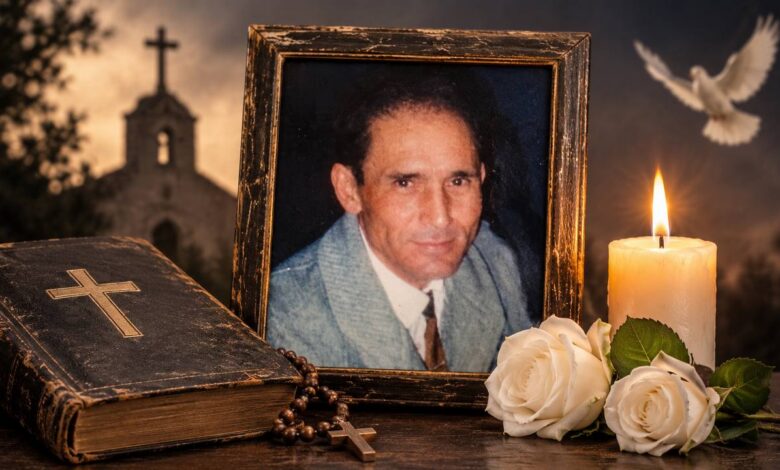
Twenty-one years have passed since the murder of Gorban Toorany, a “leader of a house church” in Gonbad Kavus, a man who, after converting to Christianity, refused to abandon his faith despite threats and pressure. His killers have never been identified or prosecuted, and his murder case remains a symbol of the unanswered violence against Christians in Iran.
Gorban Dardi Toorany, a Christian citizen and leader of a house church in Gonbad Kavus, was murdered on November 22, 2005, while returning home, struck multiple times with a knife. His bloodied body was found in front of his house. He was 53 years old at the time of his death, married with four children.
Toorany’s life story is a narrative of ideological transformation and steadfastness in personal faith. During years spent in a prison in Turkmenistan, he became acquainted with Christianity. According to published reports, one of his fellow prisoners, who was Christian, spoke to him about Jesus Christ and the Gospel, and this acquaintance changed the course of his life. After returning to Iran, Toorany began his Christian activities in Gonbad Kavus and openly discussed his faith with others.
He engaged in conversations with people in streets, shops, and stores throughout the city, introducing the message of Christianity to them. According to information from the Abdorrahman Boroumand Foundation, his activities led to the formation of a house church, with at least 12 people converting to Christianity in the initial years of his work.
However, these activities were met with threats and pressure. According to Article 18’s report, Toorany had been repeatedly threatened to cease his Christian activities and return to Islam. Additionally, one week before his murder, a group of religious scholars invited him to a meeting and at the end warned him that he had only one more chance to return to Islam.
Following Toorany’s murder, reports emerged of security forces entering his home and confiscating books, copies of the Bible, and other Christian materials. Additionally, several Christian activists in Gonbad Kavus and other cities were summoned and threatened to stop their activities, lest they meet a fate similar to Toorany’s.
Iranian authorities attributed his murder to fanatical and rogue individuals, but according to published information, the perpetrators of this crime have never been identified or prosecuted. The Abdorrahman Boroumand Foundation has also emphasized in its documentation that regarding this murder, despite multiple reports and sensitivity within the Christian community, no effective judicial follow-up leading to the identification and prosecution of those responsible is available.
This lack of response to the case, coupled with reports of threats to those around Toorany and other members of the house church, strengthened suspicions among some in the Christian community of possible government involvement or support for the perpetrators. However, direct government responsibility in Toorany’s murder has not been independently or judicially proven.
Gorban Toorany is not merely one name in the history of persecution of Christians in Iran. From the initial years following the 1979 Revolution to the present, numerous priests, church leaders, and Christian citizens have faced threats, detention, torture, imprisonment, and even death due to their beliefs or religious activities. The murders of priests and Christian activists in the early decades of the Islamic Republic, including suspicious cases like Gorban Toorany’s, alongside continuous pressure on Persian-speaking churches and house gatherings, comprise part of Iran’s long record of violations of freedom of religion and belief.
This process has not remained limited to the past. Article 18’s 2026 annual report, in collaboration with religious freedom advocacy organizations, reports the detention of at least 254 Christians in 2025 on charges related to their beliefs or religious activities—a figure that was 139 in the previous year. According to the same report, at least 57 Christians in 2025 spent their sentences in prison, exile, or forced labor, and 43 people remained serving their sentences at the end of that year.
The report points to increased pressure on Christians following the 12-day war between Iran and Israel, the more prominent role of the Islamic Revolutionary Guard Corps in detentions, treatment of Bible distributors, and the use of charges such as “propaganda against the system” and “propaganda against Islamic law.”
Furthermore, a British government policy note updated in October 2026 emphasizes that Islamic Republic authorities continue to detain and try Christian citizens who have converted, particularly leaders and organizers of house churches. The report states that those who have converted from Islam to Christianity and wish to openly practice their faith face serious risks of discrimination and government harassment.
Under such circumstances, house churches have become the only opportunity for worship and gathering for many Persian-speaking Christians; communities whose worship services can lead to summons, interrogation, detention, and severe sentences.
Twenty-one years after Gorban Toorany’s murder, questions about identifying the perpetrators and the unresolved case remain. The Gorban Toorany case is not merely a reminder of an unsolved murder; it is a reminder of the bitter reality that persecution of Christians in Iran—from threats and intimidation to detention and imprisonment—continues despite more than four decades of the Islamic Republic’s existence. Freedom of religion and belief is a fundamental right, and no citizen should be subjected to violence and punishment for their faith, worship, or inviting others to their beliefs.