Contradictions in Ali Khamenei’s Statements About Talks with America
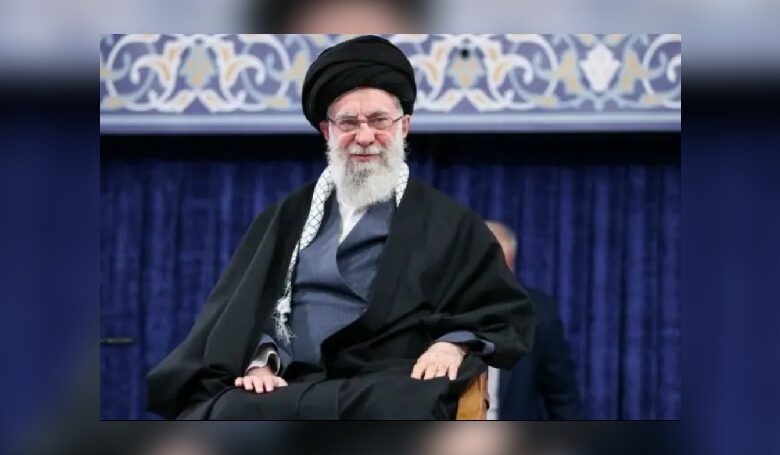
As negotiations proceed under the shadow of threats, Khamenei’s statements have added to the complexity and contradictions in the path of diplomacy.
Coinciding with the second round of Iran-United States talks in Geneva with Oman’s mediation, Ali Khamenei adopted a hardline stance against Washington in a speech on Tuesday, February 17. These positions reject any “predetermined outcomes” on one hand, while being accompanied by military threats and ideological rhetoric on the other.
Ali Khamenei, the Supreme Leader of the Islamic Republic, described predetermining the outcome of negotiations as “wrong and foolish,” saying that if the goal of talks is to dismantle Iran’s nuclear program, then such a matter is not subject to negotiation in the first place. Addressing the U.S. President, he stated: “You say come let’s talk about this issue and reach an agreement; why are you determining the outcome, saying we must definitely reach this agreement? Well, that is foolish.”
These remarks come amid a situation where the main disagreement between Tehran and Washington is over the scope of any agreement. Islamic Republic officials insist they are only willing to discuss limiting their nuclear program if sanctions are completely lifted, while Donald Trump previously stated that a “good deal” from his perspective would include a complete halt to the path toward nuclear weapons, curbing the missile program, and several other issues.
Trump announced Tuesday morning that he is indirectly involved in the Geneva talks and warned that if the negotiations fail, a severe blow will be delivered to the Islamic Republic. Meanwhile, Washington has also deployed its second aircraft carrier to the region.
The USS Abraham Lincoln, previously stationed in East Asia, has been relocated to CENTCOM’s operational area in the vicinity of the Persian Gulf, and reports indicate a noticeable increase in American military equipment in the region.
In response to these military movements, Khamenei said: “A warship is certainly a dangerous thing, but more dangerous than a warship is the weapon that can sink that warship to the bottom of the sea.” He did not provide further explanation about this weapon, but observers have interpreted these remarks as a deterrent message amid negotiations.
In another part of his speech, the Supreme Leader, claiming that America’s goal is to dominate Iran, stated: “Imam Hussein said someone like me does not pledge allegiance to someone like Yazid.”
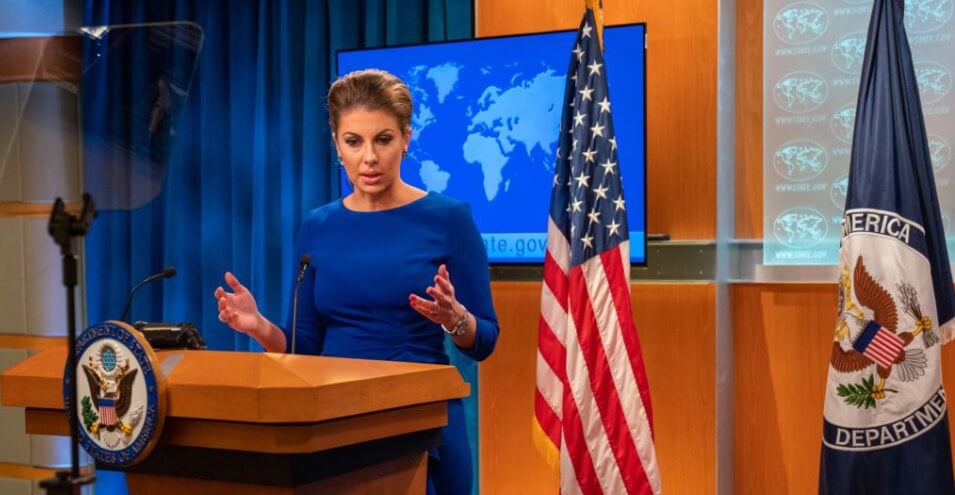
These statements come after “Marco Rubio” said the day before that decision-making in Iran is based on theological frameworks, and this makes reaching an agreement difficult. Rubio clarified: “Making a deal with Iran is not easy, because the Islamic Republic’s decision-making structure relies on Shia clergy.”
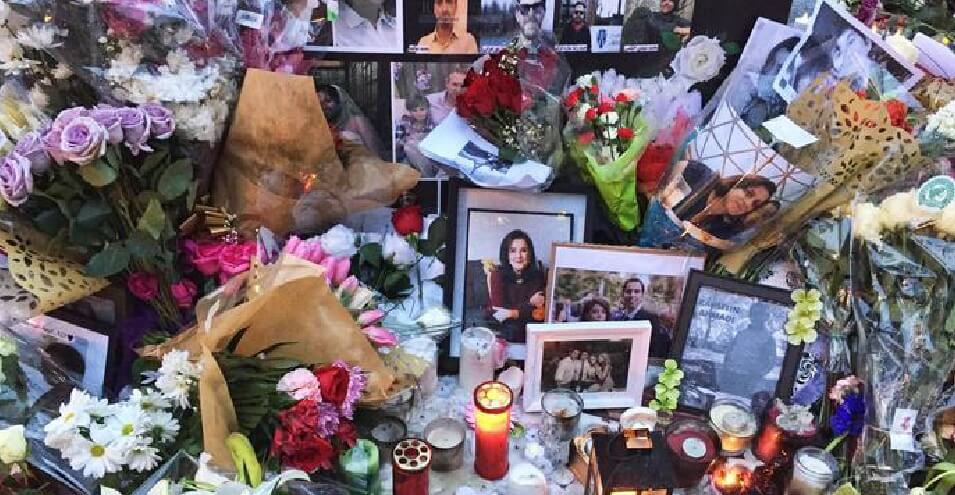
Another part of Khamenei’s speech was devoted to the December protests. Referring to those killed as martyrs, he said: “Regardless of where the bullets came from, this happened in the enemy’s sedition and these are martyrs.”
This statement raises the possibility of gunfire “from anywhere” for the first time, a point that contradicts the Islamic Republic’s previous official narrative about protesters being killed by “non-state armed elements.” In recent weeks, multiple images have been released showing the presence of government armed forces and the use of military weapons against protesters.
Khamenei also stated: “We are mourning for the blood that was shed.” This comes despite his earlier acknowledgment of only a few thousand deaths, without taking a clear position regarding direct responsibility of government forces.
Aligned with Khamenei’s speech on the nuclear issue, the second round of talks in Geneva is being held as both sides still have serious disagreements over the framework of any agreement. The Islamic Republic considers the complete lifting of sanctions a prerequisite for any new limitations, while America seeks a broader agreement than previous frameworks.
In such an environment, the simultaneous combination of “rejecting predetermined outcomes,” “military threats,” and “ideological references to religious history” in Ali Khamenei’s statements present a contradictory picture of the path forward for diplomacy; a path that more than ever is overshadowed by distrust and military posturing.