UN Special Rapporteur Mai Sato Issues Warning to Tehran, Demands Respect for Protesters’ Rights
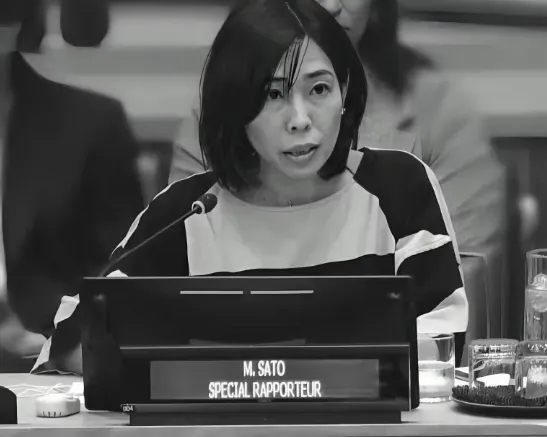
Mai Sato, UN Special Rapporteur on human rights in Iran, called for respect for fundamental freedoms and an end to violence amid nationwide protests.
Following the continuation and intensification of nationwide protests in Iran, Mai Sato, UN Special Rapporteur on human rights in Iran, warned about the escalating level of violence and confrontations between protesters and security forces, and urged the Islamic Republic’s authorities to remain committed to their obligations under international law.
Sato announced in a message posted on the social network X that after more than six days from the start of nationwide protests, based on reports received, clashes in various parts of the country have intensified, and this pattern is spreading at the national level. According to her, she has received “alarming” information indicating that at least eight protesters have been killed during these demonstrations.
The UN Special Rapporteur, recalling governments’ responsibility under international human rights documents, urged Iranian authorities to recognize rights related to freedom of expression, freedom of association, and the right to peaceful assembly, and to refrain from using excessive force against peaceful protesters.
She emphasized that the violence witnessed during the “Woman, Life, Freedom” movement should not be repeated, and stressed that the existence of an active and safe civil space is essential for any society so that citizens can express their views and opposition without fear of security consequences.
Concurrent with Mai Sato’s position, other senior UN officials have also reacted to developments in Iran. The UN High Commissioner for Human Rights stated that she is following the ongoing protests with concern and reports of violence against protesters. She also emphasized that the institution is continuously monitoring the field situation and the fate of those detained.
In this regard, Volker Türk also urged Iranian authorities to respect the fundamental rights of citizens and stressed that everyone should be able to protest peacefully and freely express their demands and grievances.
The UN Secretary-General’s Spokesperson’s Office issued a statement declaring that the organization supports the right to peaceful protest everywhere and emphasized the necessity of protecting protesters and preventing the escalation of the cycle of violence.
These international reactions come at a time when reports from various Iranian cities indicate the continuation of gatherings, extensive presence of security forces, and increased arrests. Independent human rights organizations have warned that the continuation of this process could lead to increased casualties and a narrowing of civil space.
After more than six days of protests, gatherings and marches continued in several cities, and the funeral ceremonies of three slain protesters also turned into scenes of chanting slogans against the Islamic Republic. In a separate response at the international level, Donald Trump stated that if Iran’s government kills peaceful protesters, America will help them; a statement that received widespread coverage in media and social networks.
The entirety of these developments shows that Iran’s protests have once again become one of the main focal points of attention for international human rights institutions, and political and legal pressures on the Islamic Republic to change its approach toward protesters are increasing.