Executing a Death Sentence for Blood Justice or Executing Violence?

The stepmother of “Ava Qahraman” was executed early this morning on 22 Azar for the murder of her four-year-old stepdaughter. The execution of a ruling that has stirred public opinion: was this execution for blood justice or the execution of violence?
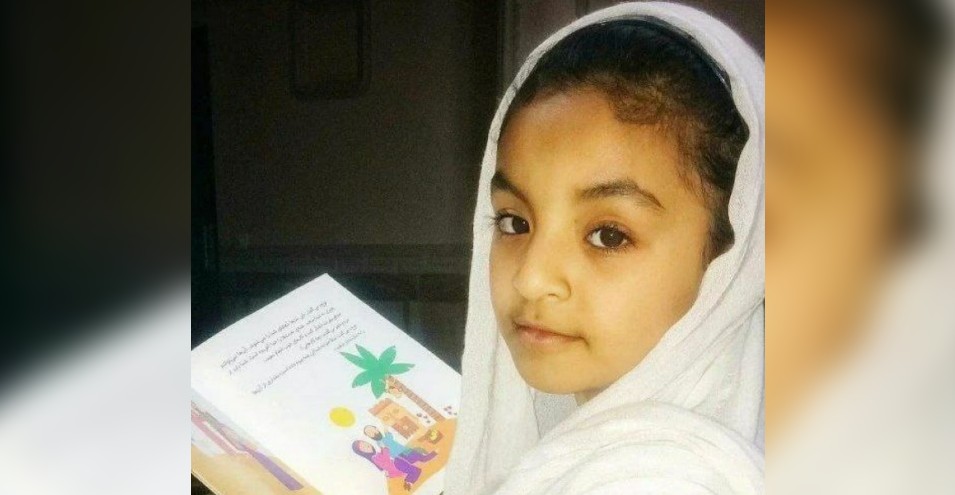
A four-year-old girl named “Ava” was transferred to a hospital in Urmia in Azar 1402 (December 2023) due to blows and serious brain injuries caused by her stepmother’s actions and died after a short period; media reported “torture and beatings” as the cause of Ava’s death.
The case was brought before the prosecutor’s office, an indictment was issued, and in the first criminal court, the defendant (stepmother) was sentenced to retaliation for life; this ruling was later confirmed by the Supreme Court of the country. Ava’s case simultaneously placed the law of retaliation, public anger, and human rights questions against each other; however, the chief justice of the court of Azerbaijan province announced today that the retaliation sentence has been executed.
In this process, reports indicate that Ava’s father was willing to receive blood money (diyeh) and forgive his child’s death, but Ava’s mother pursued the execution of retaliation, which ultimately was carried out.
According to Islamic jurisprudence and current criminal laws in Iran, retaliation (equal punishment) is permissible for intentional murder, and the heirs of the victim play a decisive role in whether to pursue or forgive the execution of punishment; the heirs can demand retaliation or forgive it and receive blood money. In this case, the difference in opinion between the parents (father and mother) regarding the demand for punishment became a legal and human rights issue under media attention.
Based on published reports, the primary court judgment was issued and then the Supreme Court confirmed it, meaning the domestic judicial authorities deemed the execution of retaliation permissible. This procedure shows that the judicial system, based on existing evidence and the indictment, established the murder and proceeded to issue and execute the ruling.
One notable point in this case was the disagreement between the parents over the fate of the punishment. According to reports, Ava’s father was willing to forgive in exchange for receiving blood money, but Ava’s mother insisted on retaliation and, as a guardian or from an emotional perspective, pursued the execution of the ruling. This contradiction raises not only a family matter but also a legal question: when some of the original holders of the right to life (one of the heirs) forgive but another insists on retaliation, how is the final decision made and what is the standard for jurisdiction and decision-making in such cases? Local media reports emphasized that Ava’s mother demanded retaliation “seriously” and the execution of the ruling was carried out with reference to this demand and judicial confirmation.
The case of Ava’s murder faced intense public and media attention in Iran; images and accounts published on social networks of Ava’s physical condition in the hospital and scene reconstruction by local authorities created conditions for citizen sensitivity and demands for judicial action. At the same time, some groups and social media users, in response to the beatings that Ava’s stepmother inflicted on her, defended the execution of punishment, while others criticized systematic violence and emphasized preventing the recurrence of violence against children.
Human rights organizations and international media typically criticize the execution of death sentences (especially in cases where family circumstances, abuse, or defects in judicial proceedings are involved) and call for alternatives such as suspension of the death penalty or revision of judicial procedures. At the same time, reports show that Iran is among the countries that are continuously monitored and criticized by international organizations for the use of capital punishment.
When capital punishment is executed, the fundamental question arises about the quality of investigations, protection of the defendant’s rights (right to defense, access to independent lawyers, examination of the possibility of error or misunderstanding of evidence). In cases involving domestic violence, claims of torture or coercion are typically also raised and should be investigated independently and transparently.
This child’s death is a direct result of domestic violence; therefore, emphasis should be on prevention, social support, health monitoring, and support programs for abused children, not solely on punishment after the tragedy occurs. The execution of the killer cannot compensate for structural gaps in child protection.
The disagreement between the parents over forgiveness or demanding retaliation demonstrates the emotional and economic complexities (blood money) alongside legal elements; this raises a discussion about legal mechanisms for final decision-making in case of disagreement among the heirs of the victim.
Iran is one of the countries that executes death sentences for serious crimes including murder, and in some years has ranked among the countries with the highest number of executions; human rights organizations and international sources have repeatedly referred to the execution process in Iran.
To strengthen mechanisms for preventing domestic violence, establishing and expanding support centers, safe reporting hotlines, and educating families about children’s rights and rapid reporting of abuse cases is very important.