On the Third Anniversary of Mahsa Amini’s Death, the Cries for Freedom Will Not Be Silenced
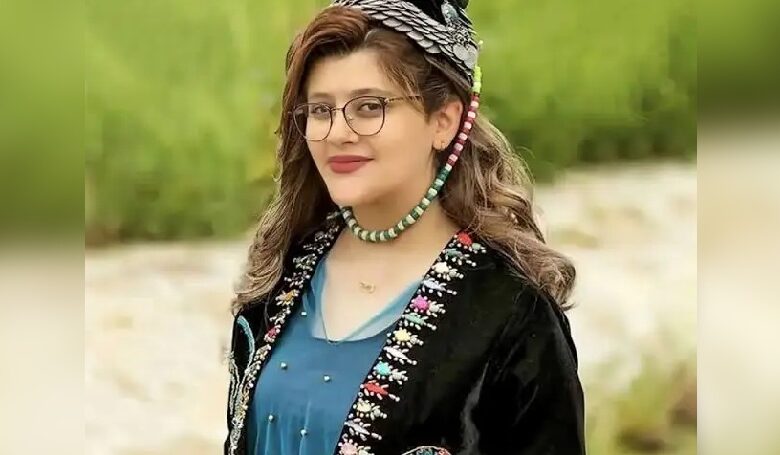
Prince Reza Pahlavi, on the third anniversary of the death of Mahsa Amini, once again emphasized the continued struggle of the Iranian people and the cries for freedom.
Mahsa (Zhina) Amini lost her life on September 16, 2022, just days after being detained by the morality police in Tehran, and was buried the next day in the Aichi Cemetery in Sanandaj. Her death, which according to her family and many human rights organizations was the result of beatings during detention, triggered a wave of protests that rapidly spread across Iran and then around the world.
Three years after that event, the memory and name of Mahsa remain alive in the heart of Iranian society and in global memory. In this regard, Prince Reza Pahlavi, by releasing a message on the anniversary of this incident, recalled her and other victims of the struggle for freedom in Iran and said: “Three years ago on this day, the innocent Mahsa Amini was killed, but her voice was not silenced; rather, her name and image became a worldwide inspiration for millions of Iranians fighting against the corrupt Islamic Republic regime.”
In his message, Prince Pahlavi viewed the 2022 uprising as a continuation of the protests of December 2017 and November 2019, and pointed out: “All three uprisings were connected with a common goal and formed the roaring river of Iran’s national revolution; a revolution that continues until the day of victory and freedom in Iran.”
He also addressed Iran’s young generation, saying: “You are the generation of victory. You will build a free future with your own hands and turn the dreams of Mahsa and all the martyrs of the path to Iran’s freedom into reality.” The Prince once again emphasized his solidarity with the Iranian people and promised to remain by their side on the path to freedom.
Prince Pahlavi’s message was released at a time when the Islamic Republic, over more than four decades, has silenced every voice of opposition with tools of repression. From street killings of protesters to mass arrests, torture in prisons, and death sentences. The government has left no room for civil protest or political dissent.
This system has, in practice, deprived people of fundamental freedoms: women continue to live under the burden of mandatory hijab, freedom of religion and belief is not recognized, freedom of speech is suppressed, and the slightest opposition is met with the label of “acts against national security.” For this reason, the protests of the Iranian people in recent years have not merely been a demand for reforms, but a call for the complete end of this repressive structure.
Coinciding with the anniversary of Mahsa’s death, Iranians around the world once again commemorated her. On September 13 and 14, gatherings were held in various cities across Europe, America, Canada, and Australia; ceremonies that were accompanied by the slogan “Woman, Life, Freedom” and demonstrated that the movement sparked by Mahsa’s death remains alive and vibrant.
Mahsa Amini has become a global symbol; a symbol that not only reminds us of the suffering of Iranian women and men under religious dictatorship, but also serves as an inspiration for the struggle for human dignity and freedom throughout the world.