Beginning of First Phase of Ceasefire Agreement Between Hamas and Zionist Regime
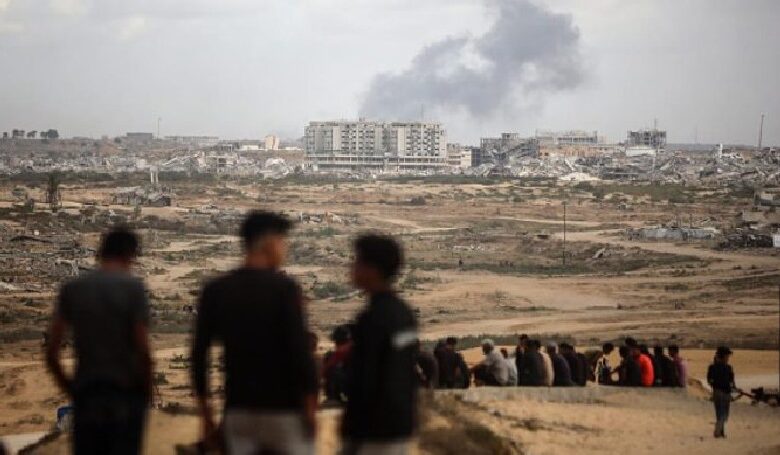
The beginning of the first phase of the ceasefire agreement between Hamas and the Zionist regime is a fragile step toward peace in Gaza and a test for sustainable peace.
While the Gaza Strip has been engulfed in one of the bloodiest conflicts of recent decades for over a year, multiple sources have reported the beginning of implementation of the first phase of the ceasefire agreement between the Hamas movement and the Zionist regime from the beginning of next week. According to reports from the “Al-Sharq” network and confirmation by international media including “Reuters,” “Associated Press,” and “The Guardian,” this agreement will enter the implementation phase following its formal signing on Thursday.
According to sources knowledgeable about the negotiation process, the first phase of the agreement includes the following key items:
- Complete cessation of military operations in the Gaza Strip and establishment of a comprehensive ceasefire.
- Exchange of captives between the two sides, including the release of 20 Israeli captives in exchange for 250 Palestinian prisoners sentenced to life imprisonment and 1,700 detainees following the “Al-Aqsa Flood” operation.
- Gradual and phased withdrawal of Israeli forces from specified areas in Gaza.
- Entry of humanitarian aid and opening of the Rafah crossing for transferring the wounded to Egypt.
The American CBS network reported, citing a White House official, that the agreement plan will be presented to the Israeli cabinet on Thursday for approval, and if approved, “this regime is obliged to withdraw from the specified areas within less than 24 hours.” The official added that following the approval vote, a 72-hour countdown will begin and the process of releasing captives is expected to start on Monday.
Al-Sharq sources emphasized that implementation of the agreement will begin at the start of next week, and negotiations regarding the second phase will proceed in parallel. According to these sources, the withdrawals will be “limited and phased” and will be coordinated with the process of prisoner exchange and delivery of humanitarian aid.
In this regard, the Hamas movement announced: “Within the framework of the agreement being implemented for ending the war and stopping aggression against the Palestinian people in Gaza, the list of Palestinian captives according to agreed-upon criteria has been submitted to the mediating parties.”
An informed Palestinian source also stated: “Among those to be released, there are several prominent and well-known imprisoned leaders, and the final list of names will be finalized following the beginning of agreement implementation.”
According to statements by a Hamas commander, during the first five days of ceasefire implementation, at least 400 trucks of food, medicine, and relief supplies will enter the Gaza Strip daily. This figure is expected to increase in the following days.
The agreement also includes the withdrawal of Israeli forces from the Rafah crossing so that this crossing opens completely and in both directions, allowing the wounded to be transferred to Egypt for treatment. “Bassem Naim,” a member of Hamas’s political bureau, emphasized that the aim of this agreement is “complete cessation of war, release of captives, and facilitating immediate entry of humanitarian aid.”
According to the Associated Press news agency, the United States will deploy approximately 200 military personnel to Israel to support and monitor the implementation process of the agreement. These forces will not enter Gaza directly but are tasked with monitoring the proper implementation of the agreement’s provisions, particularly regarding prisoner exchange and delivery of humanitarian aid.
Washington has also declared that it views this ceasefire as “a first step toward achieving sustainable peace,” but at the same time emphasized that its success depends on complete compliance by both sides.
Despite cautious optimism, analysts warn about the sustainability of this ceasefire. The Guardian report states: “Any violation of the agreement in the initial hours could undermine the process of confidence-building.”
On the other hand, some Israeli sources stated that some forces may remain for “security monitoring” at the northern borders of Gaza, an issue that could lead to renewed tensions.
In case of successful implementation of the first phase, negotiations for the second phase of the ceasefire, which will likely include complete withdrawal of Israeli forces and the beginning of reconstruction of the Gaza Strip, will begin. Egypt and Qatar will also continue their mediation role in this phase. Despite hopes for stability, experts have warned that without a clear political plan for the future of Gaza and the Palestinian state, any agreement would be temporary.
The beginning of the first phase of ceasefire between Hamas and the Zionist regime can be considered a critical point in the long and challenging path to peace in the Middle East. Although this agreement has created fresh hope for millions of civilians in Gaza, its sustainability requires confidence-building, effective international monitoring, and genuine willingness to end the war.
In the words of a Lebanese analyst in a discussion with Al-Sharq, “Although the ceasefire in Gaza is not the end of war, it may perhaps be the beginning of a new understanding of the necessity of peace.”