Cabinet Approves Withdrawal of “Bill to Combat the Spread of False Content in Cyberspace”
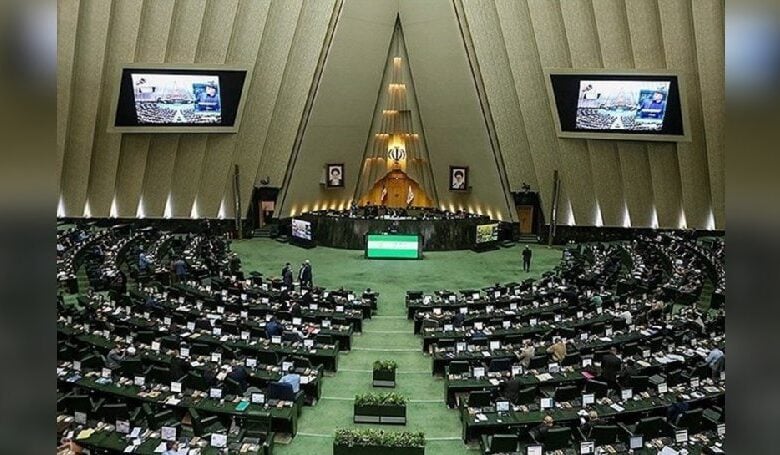
The Iranian Cabinet approved the withdrawal of the bill “to Combat the Spread of False Content in Cyberspace” in today’s session.
The intensification of severe criticism by legal experts, specialists, and even some members of parliament regarding the approval of the bill “to Combat the Spread of False Content in Cyberspace,” which escalated following the end of the 12-day war with Israel, prompted the Cabinet to approve the withdrawal of this bill in today’s session.
Under this bill, strict penalties were envisioned for individuals who spread false news in cyberspace, which even provoked objections from government supporters. Two emergency procedures for introducing this bill were conducted on Sunday, Mordad 5, in parliament, and it was approved with 205 votes in favor, 49 against, and 3 abstentions.
The approval of the withdrawal of this bill must also take place within the legal 72-hour period in the Cabinet. (According to Article 134 of the Internal Regulations of the Islamic Consultative Assembly, the withdrawal of legislative bills prior to the approval of their general principles in parliament is possible with the approval of the Cabinet of Ministers and an official letter from the President. In this case, only the withdrawal report is announced in the open session, and no re-voting in parliament is necessary.)
“Fateme Mohajerani,” the government spokesperson, posted a message on the X social network today and wrote: “In line with preserving national cohesion and the President’s emphasis, the withdrawal of the cyberspace bill was approved in today’s Cabinet session.”
“Elias Hazrati,” the head of the government’s Public Information Council, also stated: “Given the criticisms directed at the ‘Bill to Combat False Content in Cyberspace,’ the Cabinet approved the withdrawal of this bill in today’s session. As President Pezeshkian has repeatedly emphasized, this government has come to serve the people and will not do anything that causes their concern and dissatisfaction.”
“Ehsan Chitsaz,” the Deputy Minister of Communications, also responded to the approval of the withdrawal of this bill in his X account, writing: “The voice of civil society, experts, and the people was heard. When demands are well-founded, clear, and united, they yield results.”
“Sadeg Hosseini,” an economic activist, also posted a message on X network, writing: “Mr. Pezeshkian heard the criticisms and paid attention to them and withdrew the shameful bill Seyyanat 2. That is the difference between him and others—he does not argue with the people.”
“Omadoddin Baqi,” a civil activist, also commented on the approval of the withdrawal of the aforementioned bill, which faced numerous criticisms, on the X social network: “Attention to expert opinions and public opinion by Dr. Pezeshkian and the withdrawal of a legally problematic bill is commendable, although it is worth examining why the bill was referred without sufficient study.”
Government critics also stated after the approval of the withdrawal of the aforementioned bill that the recall of this flawed bill was merely “correcting a mistake.” They called on the Pezeshkian government to fulfill its campaign promises regarding the removal of filtering and the freedom of cyberspace.
“Farid Mousavi,” a parliament member, on Sunday when this two-emergency bill was presented to parliament and approved, while expressing surprise at the approval of this bill by the government, said: “What guarantee is there that this bill will not become a tool for suppressing independent voices, limiting dissenting media, or arbitrary treatment of cyberspace users?”
A bill that was supposed to send media, journalists, and cyberspace users to court and prison on baseless charges such as “disturbing public opinion” and “spreading false information” has now been withdrawn by the government. But the question is whether the approval of the withdrawal of this bill is a retreat out of fear or a change of course.
According to critics, legal experts, and specialists: “Today’s retreat by the Islamic Republic regime not only demonstrates the weakness of the security structure in controlling public opinion, but also shows that even within the closed structure of the Islamic Republic, pressure from public opinion can still apply the brakes to suppression.”