Tehran and International Atomic Energy Agency Discuss New Framework for Cooperation
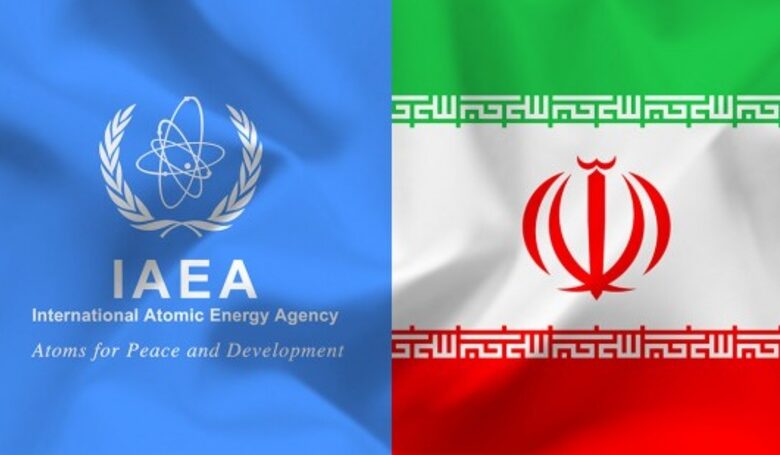
Tehran and the International Atomic Energy Agency held discussions regarding a new framework for cooperation between Tehran and the atomic agency.
“Abbas Araghchi,” Iran’s Foreign Minister, announced in remarks that the Deputy Director General of the International Atomic Energy Agency will arrive in Tehran on Monday, August 11, corresponding to Mordad 20, to discuss solely the establishment of a new framework for cooperation with Iran, and there are no plans for visits to nuclear facilities during this trip.
Araghchi stated in his remarks: “Negotiations with the atomic energy agency will be held on Monday to establish a cooperation framework. Grossi’s deputy will arrive in Tehran on that day, and there is no plan to visit any location unless we reach a framework and cooperation begins. This framework will be based on the Islamic Republic’s parliament law.”
The background to this matter dates back to July 2, when Iranian President Masoud Pezeshkian, in response to American and Israeli attacks on the country’s nuclear facilities, issued the law “requiring the government to suspend cooperation with the International Atomic Energy Agency.” This measure resulted in the practical suspension of Iran’s cooperation with the agency, and just two days later, the agency announced that it had withdrawn some of its inspectors from Iran.
Despite Pezeshkian’s announcement of suspension of cooperation with the atomic agency, Araghchi said to Fox News on July 22: “We have not stopped cooperation with the agency and will continue cooperating with them, but we need a new manner; because the facilities have been destroyed.” He also emphasized that visits by inspectors to nuclear facilities in the future will be conducted on a case-by-case basis and only after careful review by the Supreme National Security Council, an issue that, according to him, stems from security and safety concerns.
Araghchi addressed negotiations with the European troika in another part of his remarks and said that contacts continue, but the Europeans have raised the issue of “snapback” or automatic return of sanctions. He described Iran’s position as follows: “Snapback has no validity. From our perspective, Europe is not considered a participant in the JCPOA.” According to him, technical and legal talks are underway, but no specific date has been set for the next round of negotiations.
This comes as France, Britain, and Germany have warned that if there is no noticeable progress in nuclear talks with Tehran by the end of summer, they will activate the sanctions return mechanism.
Araghchi also stated regarding the possibility of talks with the United States: “Nothing is yet final regarding negotiations with America.”