Iran’s Human Rights Claims at the United Nations; Reports Indicate Intensified Pressure on Religious Minorities
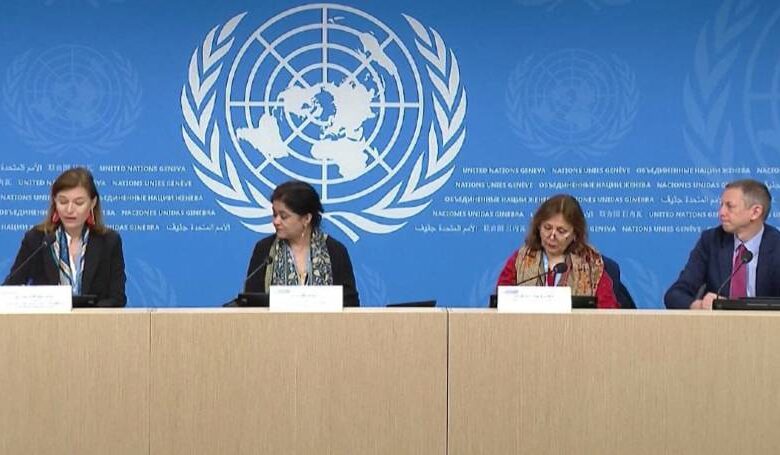
While officials of the Islamic Republic of Iran emphasize “promoting the rights of religious minorities” and “non-discrimination” in international forums, reports from human rights organizations and available evidence present a different picture of the situation of religious minorities in this country. This apparent contradiction was evident once again in a recent session of the UN Human Rights Council and sparked widespread reactions.
Iran’s ambassador in this session claimed that the Islamic Republic is “promoting the rights of women, children, and religious minorities.” This claim is being made at a time when Iran has rejected a significant portion of human rights recommendations, particularly in the areas related to religious minority rights, women’s rights, and freedom of expression. The International Federation for Human Rights, expressing deep concern, announced that Iran rejected more than half of the recommendations presented. This approach has created serious doubts about the Islamic Republic’s genuine willingness to improve the human rights situation in this country.
According to reports, while Iranian authorities emphasize that all citizens enjoy equal rights, minorities such as Iranian Christian citizens, Bahá’ís, and followers of the Yarsan faith are not officially recognized and face structural and systematic repression. This repression includes arbitrary detention, restrictions on religious and social activities, and deprivation of fundamental civil rights. Even religious minorities that are officially recognized in the constitution, such as Zoroastrians, face serious discrimination in practice. A striking example of this discrimination was the disqualification of Sepanta Niknam, a Zoroastrian member of Yazd City Council, which demonstrated that existing laws and procedures can violate the rights of officially recognized minorities.
Reports indicate that following recent military tensions in the region, pressure on religious minority communities in Iran has intensified. The widespread detention of members of these communities, particularly Christian citizens, reflects the deep concern of security institutions about the activities of these groups and efforts to exert greater control over them. These measures have intensified the security environment in the country and increased concerns about the human rights situation.
Another concerning point is Iran’s continued refusal to cooperate with the UN special rapporteur on human rights and independent fact-finding mission. This non-cooperation has prevented close international monitoring of the human rights situation in Iran and eliminated the possibility of verifying the claims made by Iranian officials.
In summary, available evidence and reports demonstrate that despite the claims of the Islamic Republic’s officials, the situation of religious minorities in Iran remains concerning, and these groups face serious discrimination and restrictions. The international community is calling for concrete actions by Iran to improve the human rights situation and end the repression of religious minorities.