Volker Türk Calls for Complete and Permanent Repeal of Iran’s Hijab Law
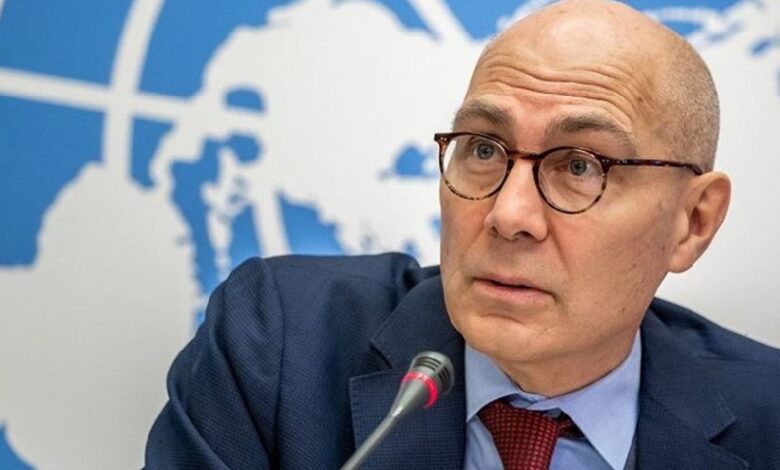
“Volker Türk” called for the complete and permanent repeal of Iran’s hijab law during a session of the Human Rights Council.
On Monday, March 3rd (Esfand 13th), the Human Rights Council session held in Geneva took place. Volker Türk, the UN High Commissioner for Human Rights, expressed his concerns about the increase in executions during this session and called for the complete and permanent repeal of Iran’s hijab law.
Commissioner Türk also referred to the temporary suspension of the law known as the Chastity and Hijab Law, stating: “This law, which has been temporarily suspended, should be completely eliminated along with other discriminatory laws and practices against women and girls.” He urged the Islamic Republic’s officials to not only end arbitrary detentions but also to release human rights defenders from prison.
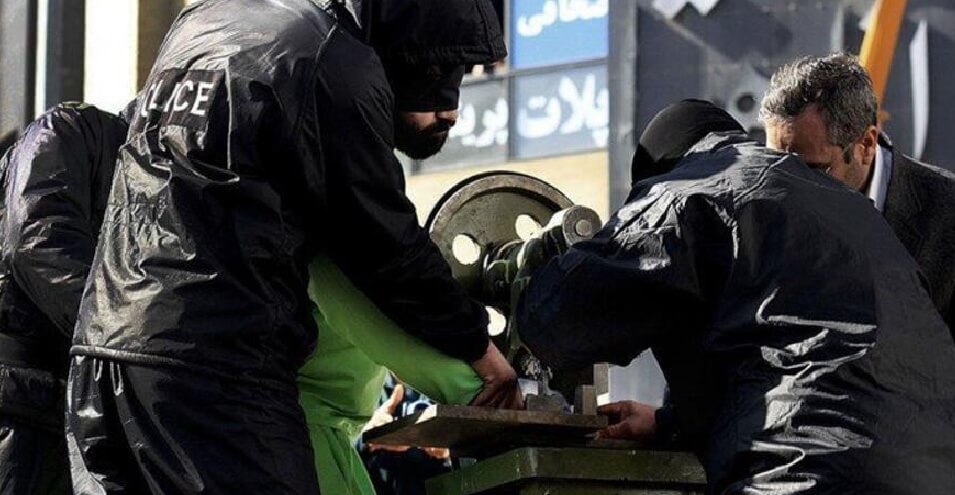
The High Commissioner for Human Rights discussed the increase in executions in recent years during this session and expressed concern, adding: “More than 900 executions have been reported, which is deeply concerning. The Islamic Republic must immediately stop carrying out execution sentences.”
The Office of the UN High Commissioner for Human Rights recently prepared reports on executions in the Islamic Republic of Iran, which showed that in 2024, at least 901 people were executed by the Islamic Republic system. This figure was 853 cases in 2023, indicating an increase in executions in 2024 compared to the previous year.
In another part of his remarks, Volker Türk spoke about the increase in patriarchal discourse: “I am concerned about the resurgence of destructive ideas about patriarchy and efforts to promote gender stereotypes, especially among young people. It is shocking to me that influential misogynist figures have millions of followers on social networks and are recognized as heroes in some circles.”
He also warned about this and added: “These movements, both in the virtual space and in the real world, have created greater resistance to gender equality and have led to increased violence, hate speech, and threats against women, women’s rights defenders, and female politicians.”
In addition to the aforementioned matters regarding human rights discussed in the session, recent reports by the UN Special Rapporteur on human rights in Iran and the final report of the UN fact-finding mission regarding the nationwide protests that took shape following the death of Mahsa Amini, are among the issues that will be raised in the second half of March during the current Human Rights Council session.