Highest Rate of Religious Conversion from Islam to Christianity in Iran
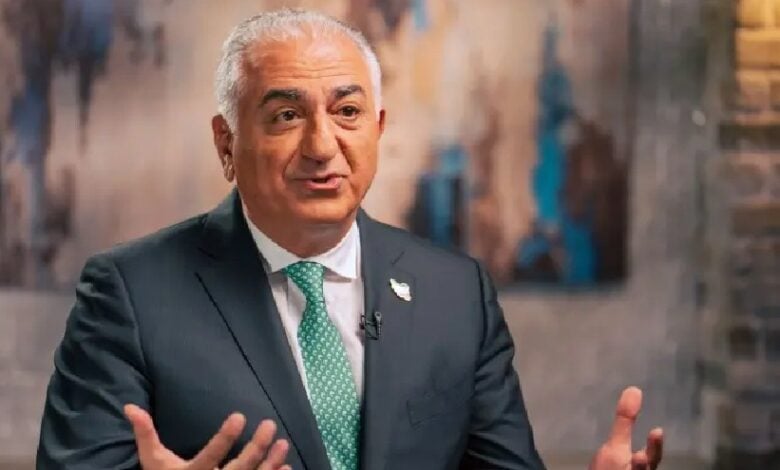
Prince Reza Pahlavi discussed the increasing rate of religious conversion from Islam to Christianity in Iran during an interview.
An interview with Prince Reza Pahlavi has been published on social media, conducted two weeks before the U.S. presidential election. Patrick Bet-David is an Iranian-American analyst, author, and YouTuber who conducted separate interviews with Prince Reza Pahlavi and Donald Trump on his podcast titled PBD.
The topic of his interview with Prince Pahlavi centered on Iran’s future and the necessity of maximum support for the freedom-seeking movement of the people by leaders of the free world. In addition to this topic, a portion of this interview was also devoted to the status of religious and sectarian minorities in Iran before and after the revolution and people’s turning away from Islam.
In the interview Patrick Bet conducted with Prince Pahlavi, the Prince stated in part: “I know it is believed that Iran is a country with a religiously observant majority population, but what is seen on the streets today is consistent with what I am saying. Perhaps it was like that 50 years ago, but not today. Not today anymore. Because if you look at what has happened in Iran today as a result of the imposition of a religious ideology, when you look at what has happened to religious minorities in Iran, you see Bahais who are prevented from higher education in Iran, or what has happened to Jews in Iran. Today we are witnessing the highest rate of religious conversion from Islam to Christianity in Iran. These statistics exist and this is a fact.”
In response to Patrick David’s question about the closure of mosques, Prince Pahlavi said: “All of this means that people are saying listen, we should be able to pray freely and without fear and punishment. Therefore, the principles that I want to put on the table today are that it does not matter what beliefs I have or do not have, but rather these principles include the principle of freedom of belief.”
He also added in response to the question “Can a Christian man lead Iran?” “I hope that one day Iranians will not be concerned whether their leader is a woman or a man, or Jewish, Christian, or atheist. This should not be a criterion for leadership.”