One in Every Three Iranians is Poor
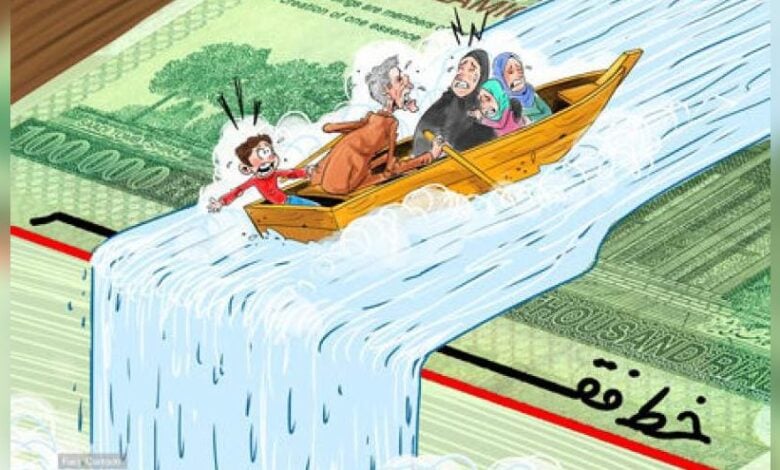
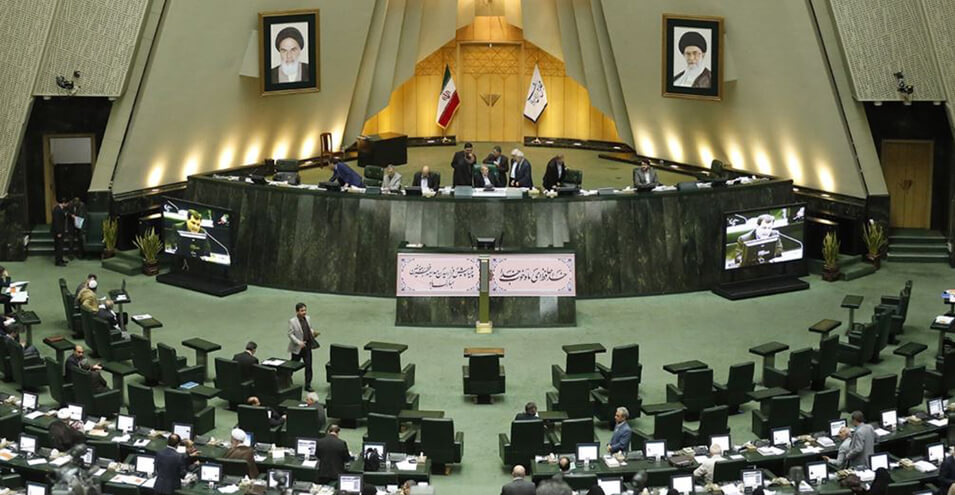
The Research Center of the Islamic Consultative Assembly reported that one out of every three Iranians lives in poverty.
The Research Center of the Islamic Consultative Assembly released a report stating that the poverty rate increased by 0.4 percent in 1402, which has now reached one-third of the population.
This report was released while the Islamic Republic government hoped that economic growth would reduce the poverty rate; however, these reports indicate that more than one-third of Iranians cannot afford to meet their basic needs.
According to economic experts, the increase in Iran’s poverty rate indicates that the government’s support policies in recent years have not had a positive impact on people’s purchasing power, and the targeting of subsidies has also failed to meet the necessary expectations.
The increase in the dollar exchange rate has caused the prices of some consumer goods, including red meat, to increase sharply. The increase in bread prices in Iran has also been fixed over recent months, and there is a possibility of increased gasoline prices, which could lead to an increase in the price of all goods—an issue that, according to experts, could become a reality in the coming months.
Economists have also emphasized that general turmoil in production and sales sectors has resulted in continuous inflation increases, which in turn have led to increased poverty rates. According to official statistics in Iran, inflation in the current year (1403) has reached 35 percent, and the government hopes that by the end of next year, this figure will decrease by approximately 8 percent. However, the government’s optimism will only become reality if oil sales do not decline and the inflamed social conditions currently caused by the threat of war subside. Iran’s current situation has even prevented Iran from considering major foreign investments, and if war breaks out between Iran and Israel, all economic components will be subject to collapse.
The Research Center of the Parliament emphasized in its report that the government must find appropriate solutions for energy imbalances, banking imbalances, budget deficits, and price stabilization policies in order to reduce the poverty rate in Iran.
Economic experts announced that the government needs 300 thousand billion tomans to finance the public budget, but determining resources to cover this deficit has become a puzzle. According to experts, the targeting of subsidies is also a weak point of the current government and previous administrations. Official statistics also show that per capita income in the country has decreased due to negative economic growth in recent years—an issue that has resulted in shrinking family budgets.