Any Criticism of Taliban Government Laws is Criticism of Islam and Carries Religious Punishment
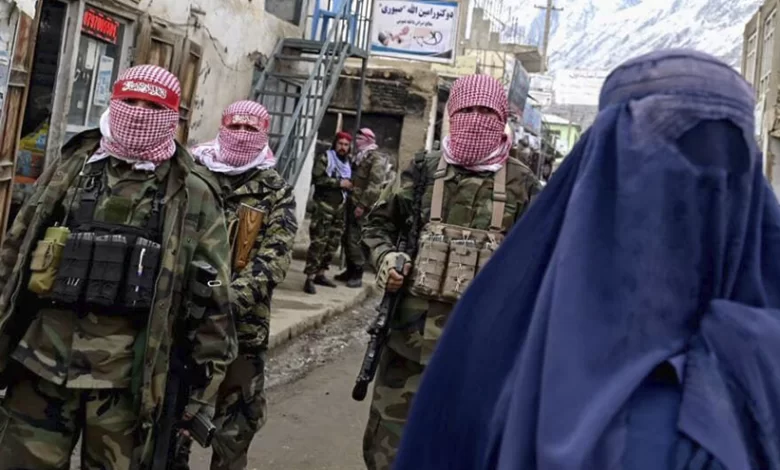
The Taliban government announced the enactment of a new law stating that “any criticism of the Taliban government’s laws is criticism of Islam and carries religious punishment.”
The Taliban Ministry of Justice, over the past two days, issued an official statement warning Afghan citizens that if they oppose the new laws or criticize them, they will face severe treatment and will be summoned to court.
The Taliban government’s Ministry of Justice, following the “Commanding Right and Forbidding Wrong” law that was enacted last month (Mordad) and drew considerable criticism both inside and outside the country, stated: “Since all laws and regulations of this government are established based on Islamic Sharia, any criticism of them is criticism of Islam and will carry religious punishment.”
This statement was issued following the “Commanding Right and Forbidding Wrong” law. A law that has affected the lives of Afghan people, particularly women. According to Article 13 of this law, in addition to making it mandatory for women to cover their entire bodies, and even out of fear of temptation, covering their faces has been declared necessary, even women’s voices for reciting poetry or even the Quran, referred to as “concealment of what must be concealed,” which contradicts Islamic law, has been prohibited.
Following the publication of the aforementioned law by the Taliban government, many member states of the UN Security Council called on the Taliban to repeal this law as it restricts women’s rights.
Regarding this law, the UN Security Council intended to issue a resolution on September 3rd condemning the Taliban government’s new law according to it, but faced obstruction from Russia and China; as these two countries stated that the international community should help Afghanistan and not condition their assistance on issues such as human rights.
After coming to power in Afghanistan, the Taliban repealed the constitution that had been enacted by the previous government and issued any law it deemed appropriate through its decree in the name of Islamic Sharia. “Abdul Hakim Sharia,” the Taliban government’s Justice Minister, also previously stated: “Criticism about the absence of a constitution in Afghanistan is baseless, and their laws are based on the Quran and Islamic Hadith.”
The Taliban government, entering its fourth year in power, not only has failed to convince the international community to cooperate in ending Afghanistan’s international isolation, but continues to trample on the basic rights of the Afghan people, especially the rights of women and girls.
The international community has made recognition of the Taliban government conditional on ensuring women’s rights, freedom of speech, establishing an inclusive government, and gaining domestic legitimacy, while the Taliban government has not implemented any of these. In this regard, the UN Women’s Office also stated: “The situation of Afghan women during the Taliban’s period in power has become much worse than before.”