Three Hamburg State Parliament Representatives Accept Political Patronage of Three Christian Citizens
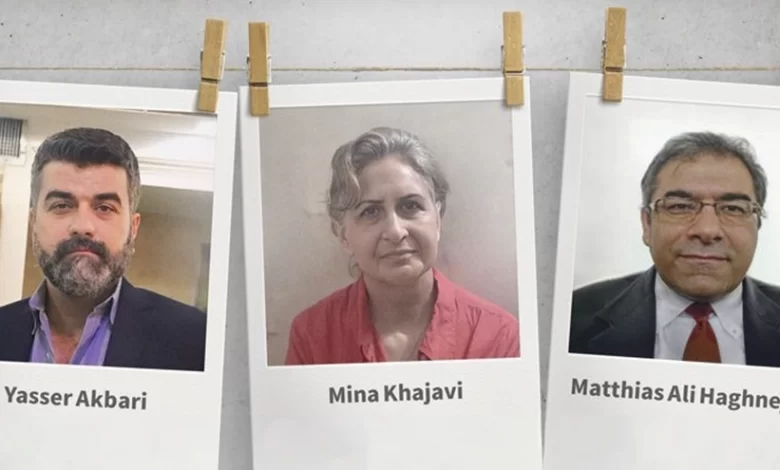
Three representatives of the Hamburg state parliament have taken on political patronage of three imprisoned Christian citizens.
According to the “Article 18” organization, three representatives from the Green Party and Social Democratic Party in the Hamburg state parliament have accepted political patronage of three Christian citizens named “Mina Khajavi,” “Mahdi (Yasser) Akbari,” and “Abdolreza (Mathias) Aliaqnezad.”
Gudrun Schittek, a representative of the Green Party, wrote in a post on her personal X page: “I have accepted political patronage of Mina Khajavi. I call for the immediate release of Mina Khajavi and the freedom of all Iranian prisoners who are imprisoned because of their religion and beliefs, such as Christians, Baha’is, and followers of other religions.”
Mina Khajavi, despite being undergoing treatment for injuries sustained in a car accident, was transferred to prison and is currently serving a six-year prison sentence.
Dorothea Diepmann, another representative of the Green Party, accepted political patronage of Mahdi Akbari on April 5, who is currently serving a ten-year prison sentence.
Additionally, Sara Tiemann, a representative of the German Social Democratic Party, posted a photo of herself and her colleague outside the embassy of the Islamic Republic and expressed support for Mathias Aliaqnezad, accepting his political patronage. She called for the immediate release of this prisoner of conscience.
Mathias Aliaqnezad is the leader of a house church who was serving his six-year prison sentence in Anzali. In June of last year, he was transferred from Anzali prison to Minab prison without prior notice, a measure that constitutes exile and has placed double pressure on him and his family.
These individuals, like other Christian citizens, have been convicted by judicial authorities on charges of “actions against national security” and “undermining the country’s security,” despite having no valid evidence or documents.
According to reports from the “Article 18” organization, individuals who accept political patronage of Christian citizens and political prisoners of conscience do not have executive power and cannot defend them in court like a lawyer, but they have the power to use their political position and standing to be the voice of the person at risk, and through raising awareness about them, draw public attention to their client’s situation and pursue their rights in international forums. Accepting political patronage of a dissident can be undertaken by multiple representatives.