“Kilometer-long fuel queues” in Zahedan have caused people’s livelihood problems
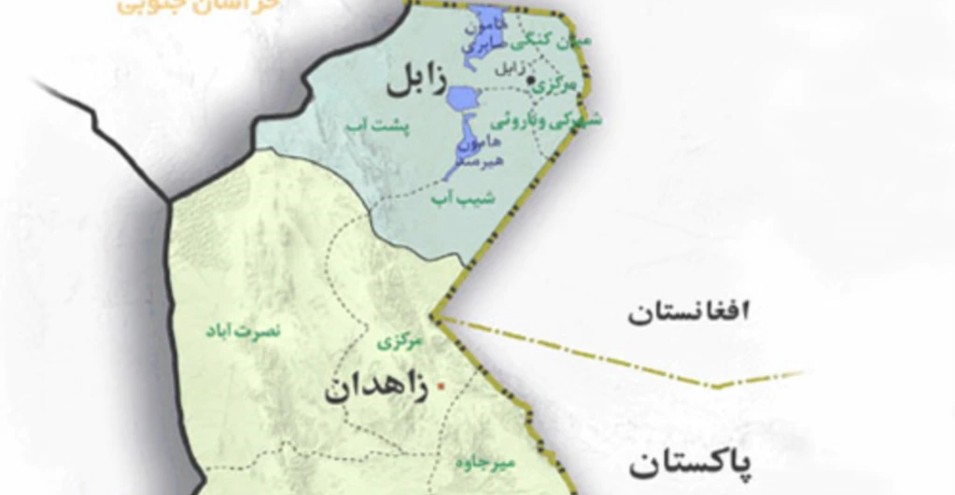
Despite rising criticism from Friday prayer leaders in cities of Sistan and Baluchestan about the disruption of life in this province due to mismanagement by government officials, recent reports from state media suggest an intensification of this situation.
The state news agency IRNA reported on Monday about the formation of kilometer-long queues in front of fuel stations in Sistan and Baluchestan province, writing that in this province, drivers are forced to spend at least “three to four hours” in these queues to get fuel.
Mohammad Barahui, a truck driver, told IRNA: “I went to the Keshavarzi fuel station [a fuel station in Zahedan] at 3 a.m. to receive my diesel quota, and after four hours have passed, I am still far from the station.”
Sistan and Baluchestan province, with a predominantly Sunni population, is one of Iran’s deprived provinces, and statistics on marginalization and shortages in health and education services are very high.
In these circumstances, state news agency IRNA in this report, as well as government officials in their statements, are attempting to attribute matters such as “fuel smuggling” and public protests in Zahedan as factors causing fuel supply shortages in this province.
IRNA claimed that “many of those standing in line in front of the fuel station are only present to receive their diesel quota and sell it in the open market.”
Mohammad Kahnsal, head of the Zahedan branch of the Oil Products Distribution Company, attributed the long queues in front of fuel stations in this city solely to the “closure of the Baath station,” which he said was “damaged” by “rioters” (protesters).
This is while Hossein Modares Khiabani, governor of Sistan and Baluchestan, admitted to the shortage of fuel stations in this province and said “the average distance between each fuel station and the next in the country is 40 kilometers,” but this average distance in Sistan and Baluchestan is “120 kilometers,” which is three times as much.
Modares Khiabani emphasized that this shortage of fuel stations “has caused people to generally wait in long queues to supply gasoline and diesel.”
According to the governor of Sistan and Baluchestan, the Oil Ministry has used “fuel smuggling” as an excuse for not issuing permits to establish fuel stations in this province, and regarding the establishment of CNG stations, no progress has been made “due to the lack of competitiveness of this matter and the lack of economic viability for investment and lack of private sector interest.”
During recent protests by a group of Zahedan residents against a police colonel’s assault on a Baluch girl and also the death of Mahsa Amini, security forces killed more than 90 people from Zahedan.
Continued government prioritization of Shiite ideological issues in Baluchestan
While Sistan and Baluchestan province faces multiple problems including shortages of fuel stations and restrictions on the movement of native residents through border crossings, government officials, by appointing Shiite managers in this Sunni-populated province, have emphasized strengthening the Islamic Republic’s ideological issues.
In this regard, on Sunday, Mohammad Mehdi Esmaili, the Minister of Culture and Islamic Guidance, appointed one of the Shiite seminary teachers in Zahedan as the new director general of the Culture and Islamic Guidance office in Sistan and Baluchestan province, and asked him to work on “strengthening and supporting the cultural front of the Islamic Revolution” in this province.
While Ali Khamenei, the leader of the Islamic Republic, recently claimed that the Islamic Republic “has done everything in its power to realize the practical implementation of unity” between Sunnis and Shiites, Maulawi Abdul Samad Sadati, the Friday prayer leader of Saravan city in Sistan and Baluchestan province, said on Friday, October 22, “unity is not possible without equality, justice, and elimination of discrimination.”
He criticized the “inefficiency of officials and imposition of problems on people and disregard for human dignity” and added that the Islamic Revolutionary Guards Corps forces, which control the borders in this province, prevent the movement of residents of this region who “due to kinship and family relations across the border, have a necessary need to travel” across borders.
Also, Maulawi Abdul Hamid, the Sunni Friday prayer leader of Zahedan, while criticizing the accusations made by Islamic Republic officials against Sunnis in Sistan and Baluchestan and Kurdistan, said: “People in these two regions are accused of secessionism; while Kurds and Baluchis are among the most authentic Iranian ethnic groups who, throughout history, have sacrificed alongside other compatriots to preserve the country’s territorial integrity.”
Islamic Republic officials have repeatedly, including during ongoing protests, accused opponents and protesters in Sunni-populated regions of separatism.
Source: Radio Farda