Hundreds of Protesters Blinded by Pellet Gunfire
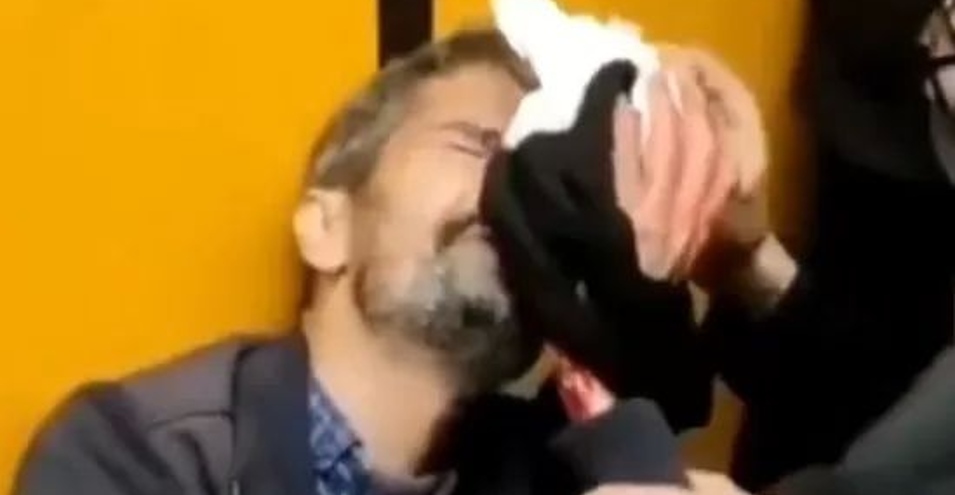
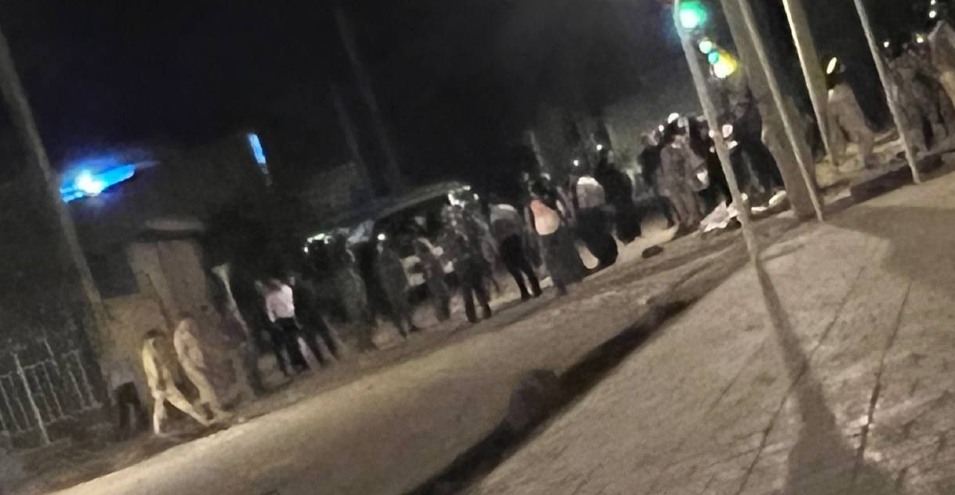
Based on public reports and various news agencies, security forces of the Revolutionary Guards have shot pellets at the eyes of hundreds of protesters, causing them to lose their sight.
According to reports from the “New York Times” and public reports during Iran’s protests, hundreds of protesters have been targeted at close range with pellet gunfire, with metal and plastic pellets striking their eyes and causing blindness.
According to reports released by doctors from three major Tehran hospitals (Farabi, Rasoul Akram, and Labafi Nezhad), since the start of the protests, a total of over 500 patients have been admitted with severe eye injuries, and in some cases, they have lost their vision completely.
Among the injured are not only men and women who were hit by these pellets, but also small children who were not even protesters and have lost their sight.
In some cases, pellets have remained embedded in the eye, and due to patrols by security forces in state hospitals, the injured cannot even visit hospitals to receive treatment.
The forces of the Revolutionary Guards of the Islamic Republic regime shoot without any remorse, even targeting children. A young woman who lost one of her eyes as a result of these pellet strikes says: “The last image recorded by my right eye was the smile of an officer who shot me in the eye from close range.”
Doctors in Kurdistan Province have also estimated they have admitted at least 80 people with wounded eyes. According to this report, many metal or rubber fragments still remain in the eyes and heads of the injured. Some of the injured have been blinded or sustained irreversible injuries.
The violence of security forces against the people has caused extensive damage, including retinal detachment, optic nerve damage, and corneal perforation.
The New York Times also referred to a private WhatsApp group in which Iranian doctors discuss with each other to obtain necessary advice to help injured protesters and share cases.
Additionally, more than 230 Iranian doctors have prepared and signed a joint statement in which they have asked Dr. Mahmoud Javaroandi, head of the Iranian Ophthalmological Society, to inform the government of the irreversible consequences of these injuries.