Bahai International Community: Arrested Qaimshahr Detainees Were Young People Deprived of University Education
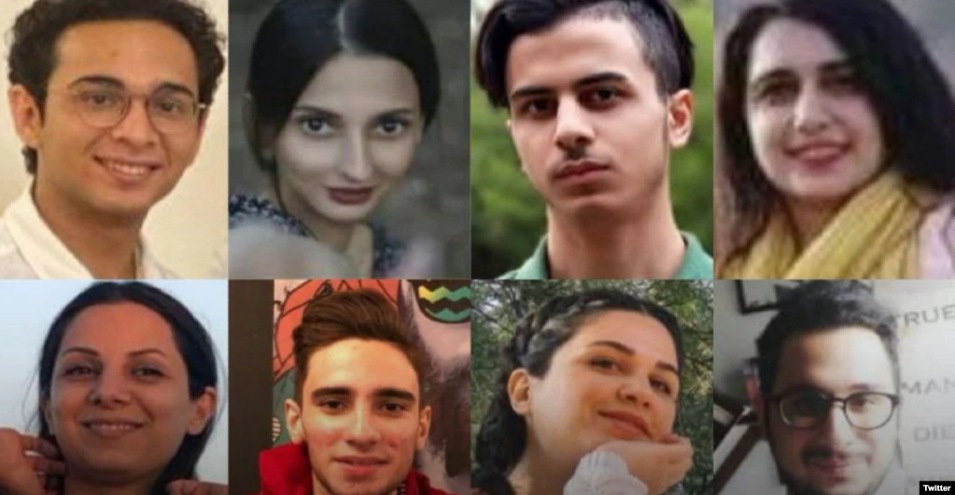
According to a statement by the representative of the Bahai International Community at the United Nations, 14 citizens arrested in Qaimshahr were young people who had previously been denied the right to enter university.
In a statement released about this matter, it was also mentioned that in the past month, Bahais in Iran have been targeted with “245 instances of oppression and harassment.”
Simin Fakhendezh, in a statement from the Bahai International Community released Thursday, September 10, said: “These young people had gathered at the home of one of their friends to study, discuss, and converse about the role of education in social progress.”
Human rights media outlets had previously announced that these citizens were arrested on Wednesday, September 9, and transferred to the central detention facility of the Sari Information Administration, and security forces during the arrest, in addition to searching their homes, confiscated their mobile phones and religious books.
The Bahai International Community identified the 14 people as Bita Haghighi, Anis Senaii, Golban Fallah, Hangameh Alipour, Afsaneh Nematian, Mojir Samimi, Mani Gholinezhad, Nazanin Goli, Sam Samimi, Sanaz Hekmatshear, Mohsa Fathi, Samiyeh Gholinezhad, Negar Darabi, and Basir Samimi.
To date, charges against these individuals have not been announced by government institutions and their affiliated media.
According to Arash Sadeghi, a civil activist and former political prisoner, the arrested Bahai citizens in Qaimshahr were between 17 and 20 years old, and by Thursday evening, September 10, only two of them had been released.
Simin Fakhendezh, representative of the Bahai International Community at the United Nations, said in a statement released about this: “The brutality of [the Islamic Republic of] Iran’s government is boundless. They not only deprive these young people of entering university and developing their intellectual abilities, but they even withhold this basic right that they be able to gather as a group of young people and discuss and converse about important issues and concerns of their generation.”
Human rights sources in recent weeks had reported that following the announcement of university entrance exam results, dozens of Bahai citizens faced “incomplete file” on the organization’s website, and when referring to this organization, they encountered security confrontations.
In an official statement from the Bahai International Community, it stated: “In the past 32 days, [Islamic Republic] authorities have targeted Bahais with 245 instances of harassment and oppression, including arrests, detention, destruction and confiscation of homes and properties… and depriving more than one hundred Bahai young people of university education.”
Despite approximately 300,000 Bahais living in Iran, the Islamic Republic does not officially recognize the Bahai faith, and its officials have repeatedly called these citizens “spies and enemies,” and over the past four decades have issued multiple sentences of execution, arrest, imprisonment, deprivation of education and employment, destruction of homes and cemeteries against them.
Ali Khamenei, the leader of the Islamic Republic, in a policy document dating to 1991 that bears his signature, called for the “blocking” of the progress and advancement of Bahai society, including the prohibition of their presence in universities.
Iran’s Ministry of Science and Research also requested in a 2006 letter to 81 Iranian universities to prevent Bahai citizens from entering university and to expel them if identified during their studies.
Source: Radio Farda