Producer Farahbakhsh Attacks Protesting Women Over Sexual Violence: “Whip Them”
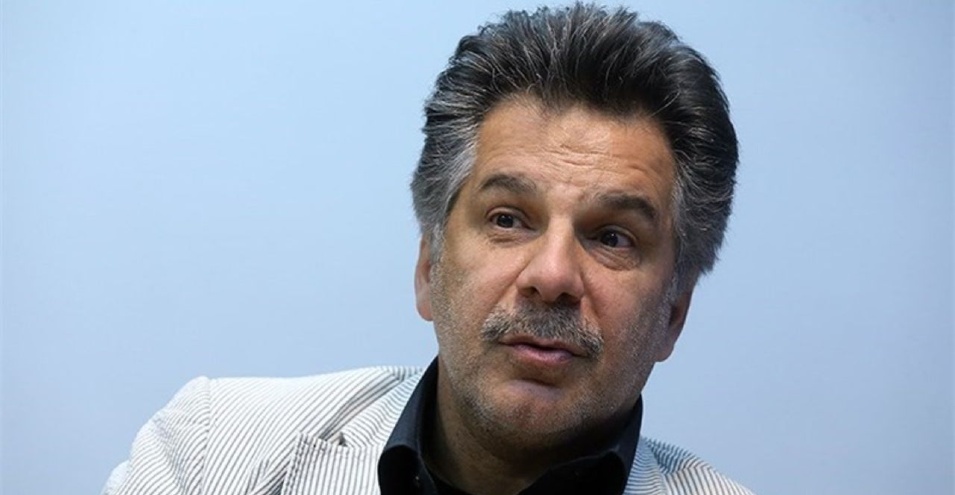
Hossein Farahbakhsh, a prolific producer in Iranian cinema, has called for “whipping” female filmmakers who have protested against “violence, harassment, and sexual extortion” in the film and theater industry and demanded an end to it.
This male figure in Iranian cinema, speaking on the radio program “Sinemame’yar” which was reviewing a statement by female filmmakers and its surrounding controversy, referred to the female filmmakers’ protest action as “dirty betrayal,” claiming it has “damaged cinema’s reputation.”
Continuing on this state radio program with harsh tone and aggressive language, he called for the prosecution and whipping of 800 female filmmakers who, by drafting a “legal charter” and requesting its approval and implementation by the Cinema House, sought to improve current conditions in cinema.
The start of open and collective protests by women working in Iranian cinema dates back to mid-April of this year. Dozens of Iranian female filmmakers issued a statement protesting the prevalence of “violence and sexual harassment” in their workplace and demanded punishment of violators.
The Cinema House responded belatedly to this statement by announcing the “Preservation Council” as responsible for addressing “any conduct contrary to the cultural standards and professional ethics of cinema professionals.”
However, women protesting sexual violence responded to the Cinema House statement by declaring that this institution lacks the “necessary independence” to handle such cases, and some of its members have “actively suppressed female filmmakers’ narratives.” They subsequently formed a committee to address “harassment and sexual violence” in cinema and theater, placing the issue of drafting a legal charter aimed at protecting women on their agenda.
In the charter developed by female filmmakers with the assistance of five lawyers recently finalized, they did not limit themselves to sexual violence alone but also considered other forms of violence including physical, verbal, psychological, and economic violence.
The protests by women working in cinema and theater and their pursuit of improving work conditions, accompanied by widespread support, also faced criticism from figures close to the authorities. For instance, Mohsen Mehdiyan, CEO of the Hamshahri Institute, previously referred to these protesting women as “national neoliberal parrots” in a note, writing that “we received discrimination and assault from the Hollywoodization of Iranian cinema.”
In recent months, many critics either denied the existence of harassment in cinema and theater or held women responsible for the current situation.
However, the latest and harshest response came from Hossein Farahbakhsh, a producer who himself has been previously accused of “assault” and harassment against at least one female actress.
Farahbakhsh called the crime of protesting women the “spread of obscenity” on the radio program and said: “Who respects them enough to include in their contract as a producer the things these women are saying?”
Mr. Farahbakhsh further emphasized that “we do not recognize these ladies” and “the Cinema House has a board and system; why do we need to allow these 800 people to come!”
Stating that “they are wrong to take our reputation,” he subsequently claimed that “cinema is cleaner than all the institutions of this country.”
This producer also held female filmmakers responsible for harassment and sexual assault, saying: “If someone wanted to do something wrong and then regretted it, that is not sexual harassment; that is stupidity on the part of that person.”
Amid escalating pressure on protesting female filmmakers in recent months, several men accused of assault and harassment in cinema and theater have filed complaints against some actresses. For instance, Trane Alidoosti, an actress and member of the independent committee following up on “violence, harassment, and sexual extortion” in cinema and theater, announced on July 8 that Habib Rezaei and Mehdi Koushki, actors among those accused of sexual harassment, have filed complaints against her.
Somayeh Mirshamsian, an assistant director who accused renowned actor Farhad Aslani of “sexual harassment” in April of this year, also announced on June 13 that she received notice of a complaint filed against her by this actor at the Cinema House.
Source: Radio Farda