Jahangiri Exchange Rate Eliminated; Imports Only Through Single Exchange Rate
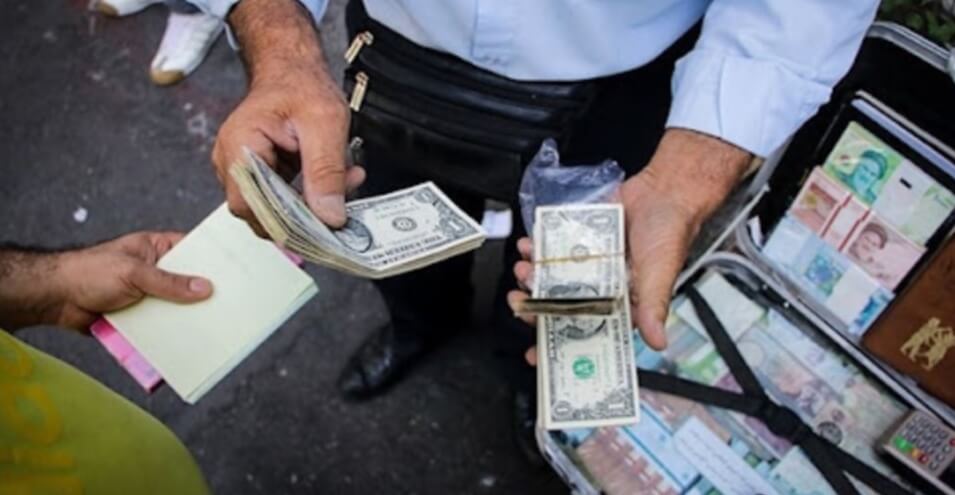
From April 11, 2018, when the Hassan Rouhani government implemented a dual exchange rate system, until May 9, 2022, when Ebrahim Raisi announced its elimination, what people felt was the emptying of their dinner tables.
An economic expert has described the 4,200-toman exchange rate as the worst policy of the past 50 years in the country’s economic programs and says: “The preferential exchange rate was undoubtedly harmful to Iran’s economy and inflationary, but its elimination in the current form will also create many problems for people.”
Ali Sadoundi, in an interview with domestic media, considered a return to the coupon era unacceptable and emphasized that rationing of items like bread has also lacked the necessary efficiency and is ultimately doomed to failure.
The head of the thirteenth government announced on the evening of the 19th of Ordibehesht the end of payment of the 4,200-toman exchange rate and said: “From now on, the official exchange rate is 23,000 tomans and all goods needed by the country will be supplied at this rate.” Ebrahim Raisi, without referring to recent price hikes and shortages in the medicine and bread markets, said that the price of bread, medicine, and gasoline will not increase under any circumstances.
The 4,200-toman exchange rate, called the Jahangiri exchange rate, entered Iranian economic discourse in April 2018. Initially, this exchange rate was paid without any restrictions for many goods and services, but over time it became limited to essential goods. The eleventh parliament, however, in the 2022 budget, obligated the government to completely eliminate the preferential exchange rate, but that same parliament on Sunday sharply criticized the economic performance of Ebrahim Raisi’s government, particularly due to the increase in flour prices, and declared that people are more worried than before.
However, the representative from Shiraz believes that eliminating the government exchange rate under the pretext of fighting corruption puts more pressure on the weak class. Alireza Pakfatr says: “One of the claimed reasons for eliminating the preferential exchange rate is to prevent corruption, rent, and misuse by privileged elites, but since the government does not have the ability to prevent corruption and combat rent-seekers, with the wrong policy of eliminating the preferential exchange rate, it will pave the way for the destruction of the weak class and the creation of a deeper polarization in the country.”
Poya Jabal Ameli, an expert on economic issues, also considered the main reason for eliminating the 4,200-toman exchange rate to be the decrease in oil sales in recent years and said: “During this period, we took 24,000 toman exchange rate from exporters and gave 4,200 toman exchange rate to importers, which caused inflation.”
Now, after much back-and-forth between supporters and opponents, the preferential exchange rate, or Jahangiri exchange rate, or the same 4,200-toman exchange rate, has become a memory, and bread and flour, like pasta and medicine, have become more expensive. However, the head of the thirteenth government has said he will temporarily increase people’s subsidies to compensate for the price increases. Of course, the Targeted Subsidy Organization has announced that people must be patient until resources for paying subsidies are secured.